Villagers share a unique way of life with visitors at this UNESCO Heritage site
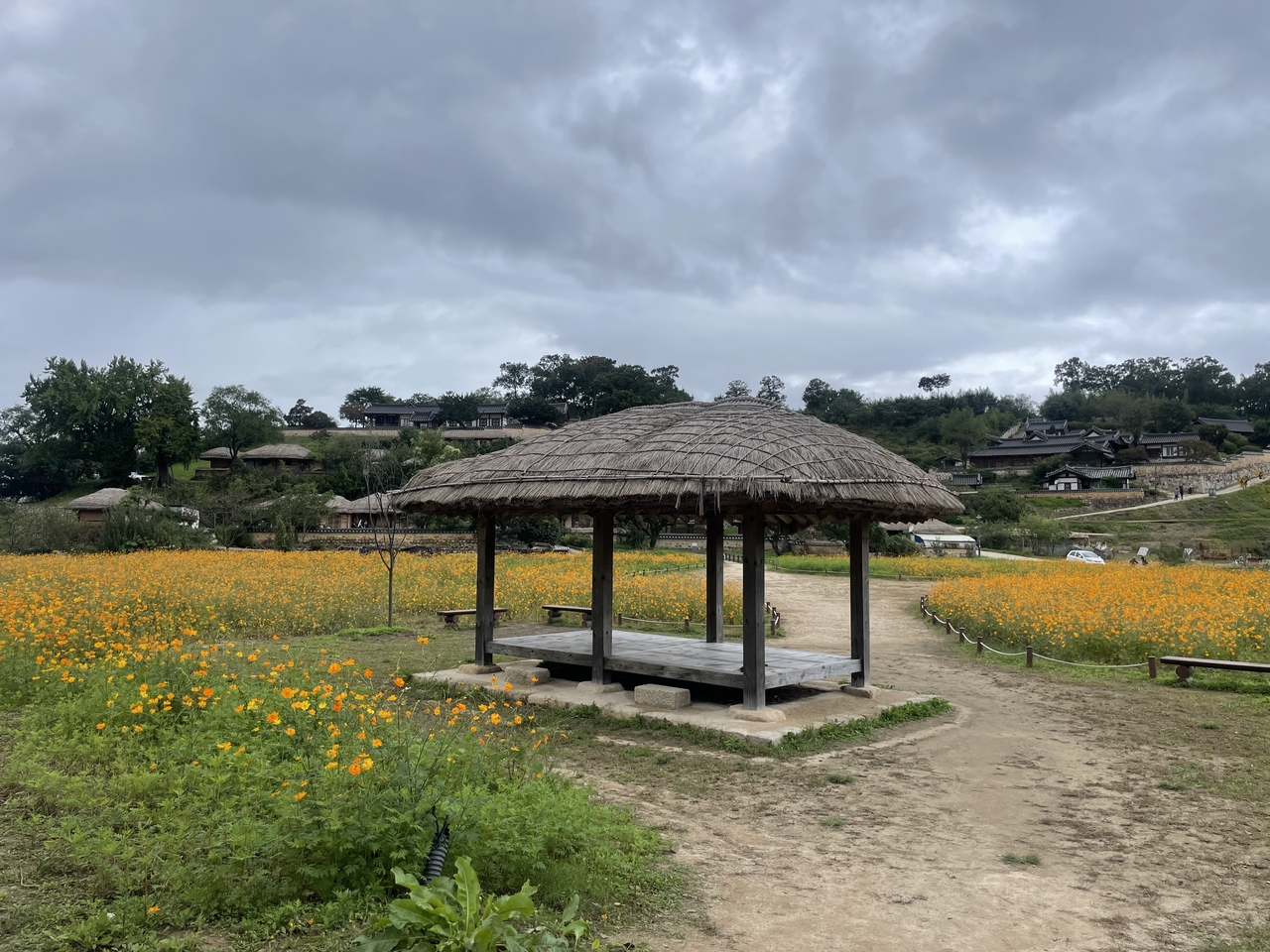
GYEONGJU, North Gyeongsang Province — Nestled 16 kilometers northeast of Gyeongju, Yangdong Village offers visitors a glimpse into the past where tiled-roof hanok, thatched cottages and the rhythm of Confucian life remain preserved amid the hum of the 21st century.
Recognized as a UNESCO World Heritage Site in 2010, Yangdong is not a museum but a living community, home mainly to descendants of the Wolseong Son and Yeogang Yi clans.
The village unfolds along Hyeongsan River on the Angang plain, a setting chosen centuries ago for its promise of prosperity. The village was established in the early Joseon era (1392-1897). High-born families built their homes on elevated ridges, symbolically overlooking the world below. The result is a landscape of noble dwellings framed by gentle slopes, persimmon trees and centuries of layered history.
Unlike other reconstructed folk villages that resemble outdoor film sets, Yangdong’s authenticity comes from its residents. Older villagers still live here, tending to their land and gardens. Their presence gives the area an intimacy rarely felt in other heritage sites. Visitors are encouraged to walk quietly and respectfully — the stillness of the place is part of its charm.
A living village rooted in time
At the village entrance, Yangdong Elementary School stands as an enduring symbol of continuity. Even today, classes are held in this decades-old building, while in autumn, the nearby road bursts into color with yellow and orange cosmos flowers that greet arriving visitors. In summer, the stream at the village’s edge transforms when the lotus blossoms open.
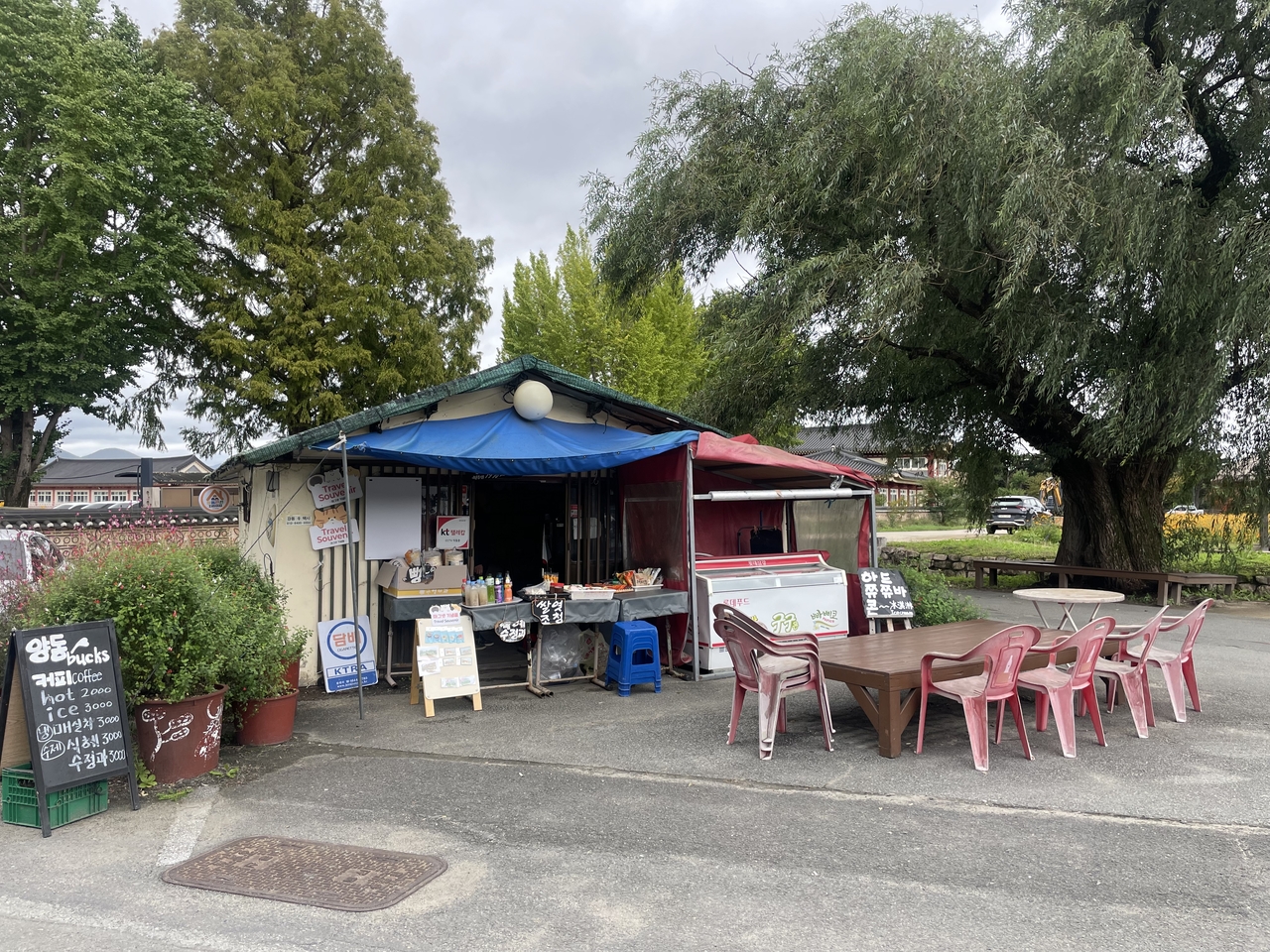
A few steps away, the old Yangdong Jeombang, a tiny corner store reminiscent of Korea’s 1960s countryside, welcomes travelers. Beneath a broad zelkova tree in front of the store, a wooden bench offers a place for rest, where residents and tourists alike pause to breathe in the crisp air. Inside the village, time slows further — there are small cafes, homestays and craft workshops where visitors can make traditional hanji, or mulberry paper, items by hand.
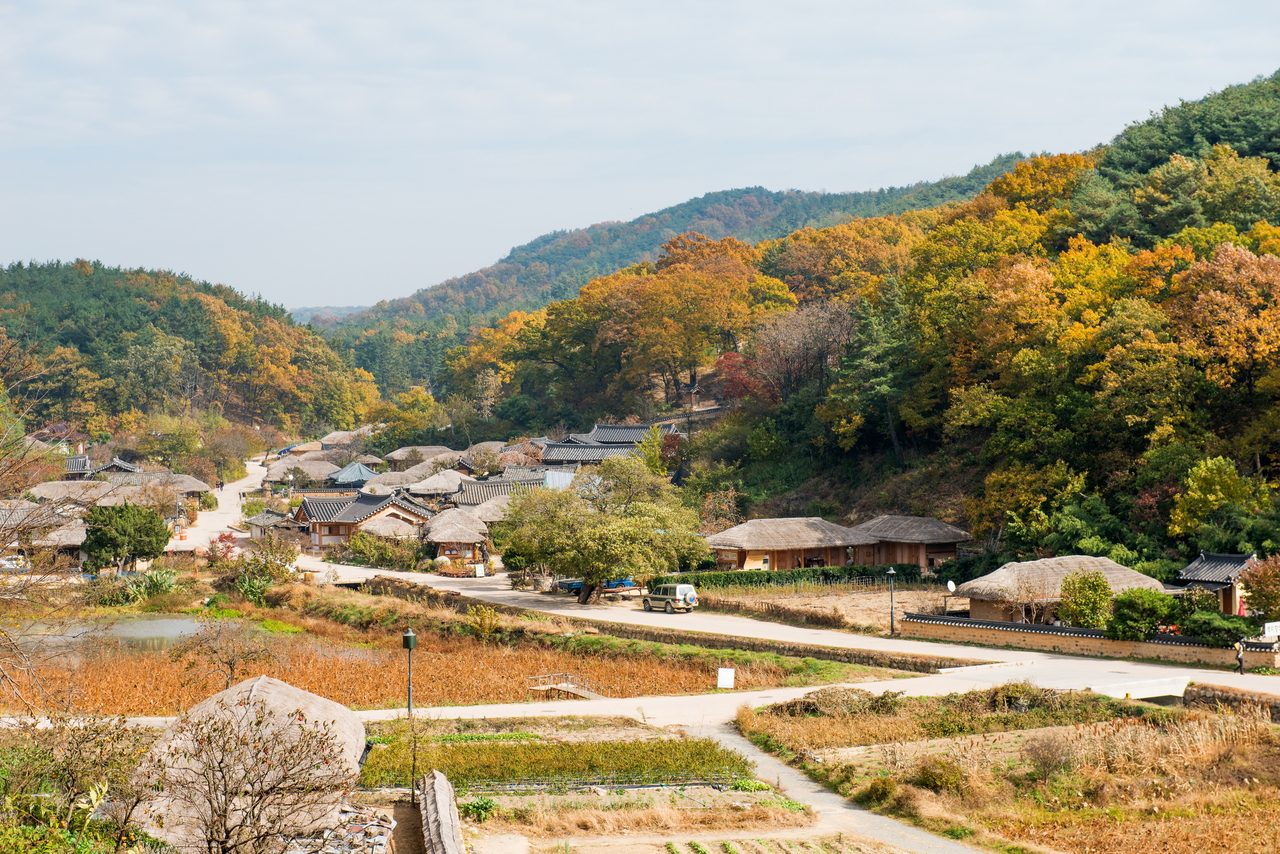
Beyond simple sightseeing, Yangdong also offers a one-night, two-day lodging program that allows guests to experience village life firsthand. Operating on weekends from May through September, the program begins with an orientation and village introduction, followed by sessions on etiquette, a tea ceremony and a guided walking tour. The evening brings communal meals, a night street parade and a stay in a traditional hanok. The next morning continues with activities such as making yakgwa, a traditional snack, and a reflection workshop before departure.
The accommodations are not luxurious — think of a grandmother’s countryside home rather than a modern guesthouse. Rooms are housed in either thatched or tiled-roof houses, some with indoor bathrooms and others with outdoor ones, all equipped with shower facilities. Only bedding is provided, so visitors must bring their own towels and toiletries. Each house accommodates two to five people and is assigned to families or small groups, with limited availability for five-person households on a first-come basis.
“Spending a night in the village means becoming part of its time,” said Lee Ji-gwan, head of the Yangdong Village Management Committee. “The value of our village doesn’t come from outside. It lies in the people who have lived here — their speech, habits and memories. The lodging program is our way of sharing that story with others.”
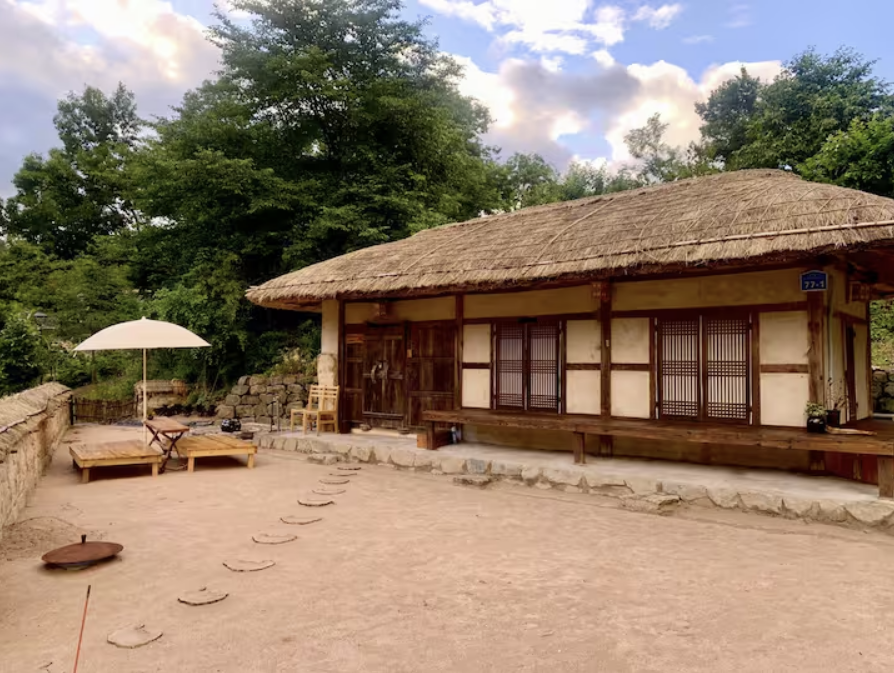
For those unable to join the official program, privately run guesthouses offer a similar sense of tranquility. Among them, the thatched-roof cottages Stay Rest and Stay Under — available through Airbnb — are cozy two-person stays where visitors wake to birdsong and the gentle light of dawn. Friendly resident cats often wander the yard, adding warmth to the rustic scene. It’s an escape from city life and a chance to experience the charm of a quiet morning in a centuries-old home.
Echoes of Joseon: architecture and legacy
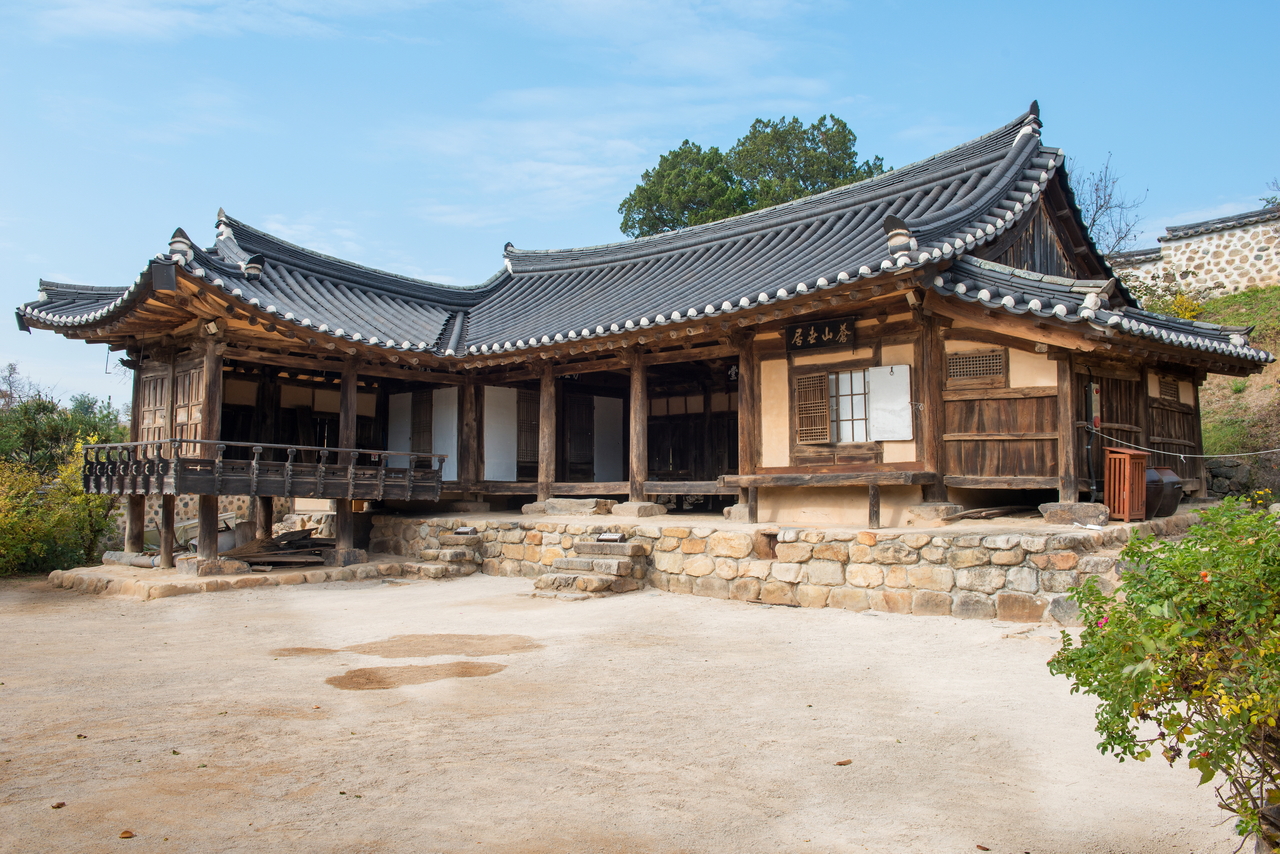
Yangdong’s homes are an open-air archive of the culture and architecture of the Joseon upper class. Most follow a square-shaped layout with open courtyards, while others adopt the “ㄱ” or “ㅡ” shapes typical of the region. Several residences are nationally designated treasures for their craftsmanship and historic value.
Among them are Songcheom Head House, built in 1484 by Son So; Mucheomdang House, the former residence of Confucian scholar Yi Eon-jeok; Hyangdan House, notable for its unique configuration; and Gwangajeong House, famed for its open terrace overlooking the valley.
The village offers several walking routes, but to explore its four major houses and hidden alleys, at least two hours are recommended. Public buses run from Gyeongju Bus Terminal every 15 minutes, taking about 40 minutes to reach the site. From the cafe-lined Hwangridan-gil, a taxi ride is a faster and more comfortable option at roughly 30,000 won.
Yangdong Village is open daily from 9 a.m. to 6 p.m. in October and from 9 a.m. to 5 p.m. from November through March. Admission is 4,000 won for adults, 2,000 won for teenagers and soldiers, and 1,500 won for children.
yoohong@heraldcorp.com