From chips to ethics, the summit showed how the world will govern intelligence
GYEONGJU, North Gyeongsang Province — Artificial intelligence dominated the 2025 APEC CEO Summit as the overriding theme in conversations across energy, health care, infrastructure and governance.
During the four days of the event held in Gyeongju, world leaders and business chiefs cast AI as the foundation of a new global economy, examining its requirements, from chip production to data center power, and the questions it poses for ethics and cross-border rules.
The event also served to cast light on how nations and companies are struggling to keep pace with the technology, prompting many to call for a coordinated response built on trust, transparency and shared global standards.
The dialogue also carried a sharper edge, with speakers warning that the shift from "reasoning AI" to "agentic AI" — systems capable of independent action — was testing supply chains and power grids.
While such difficulties remain, AI is already changing the landscape in many industries.
In sectors such as health care and energy, AI is already rewriting the rules of productivity. It is accelerating drug discovery, optimizing power use and redefining how people interact with machines.
By the event's end, a new consensus had formed: AI was not an emerging technology but the backbone of economic competitiveness and the engine of the next phase of regional growth.
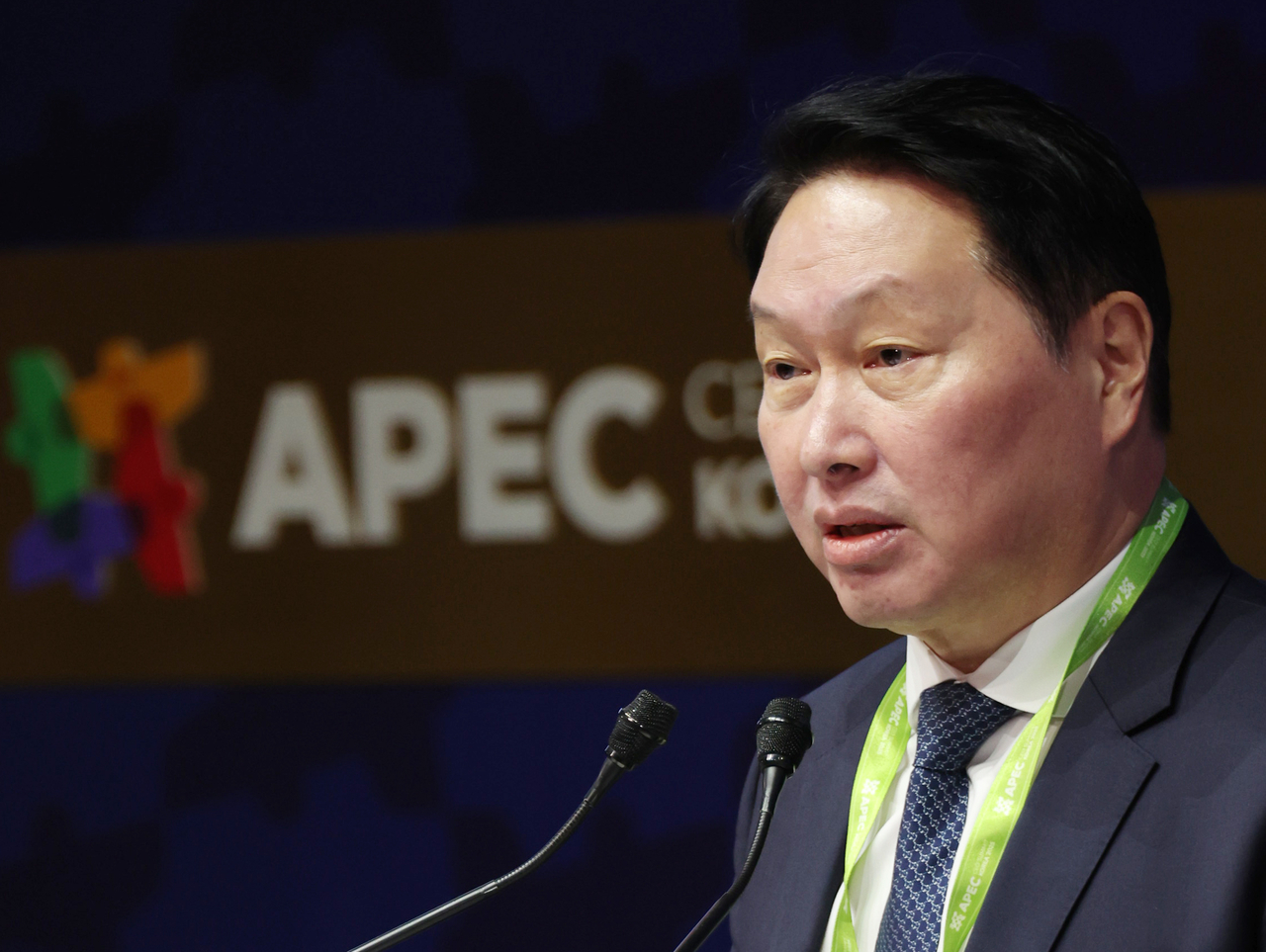
1. Chey Tae-won, chair of SK Group and the Korea Chamber of Commerce and Industry, at the Future Tech Forum Series: AI on Tuesday.
“Technologically, the world is transitioning from the ‘reasoning AI’ era to the ‘agentic AI’ era. Such rapid evolution is creating bottlenecks around the world. We have to build many AI data centers, but everything that goes inside, from chips to energy, is facing bottlenecks. I don’t think South Korea alone can resolve this bottleneck situation, but I am confident that Korea, with its ability to adapt rapidly, will become the test bed that helps resolve these challenges.”
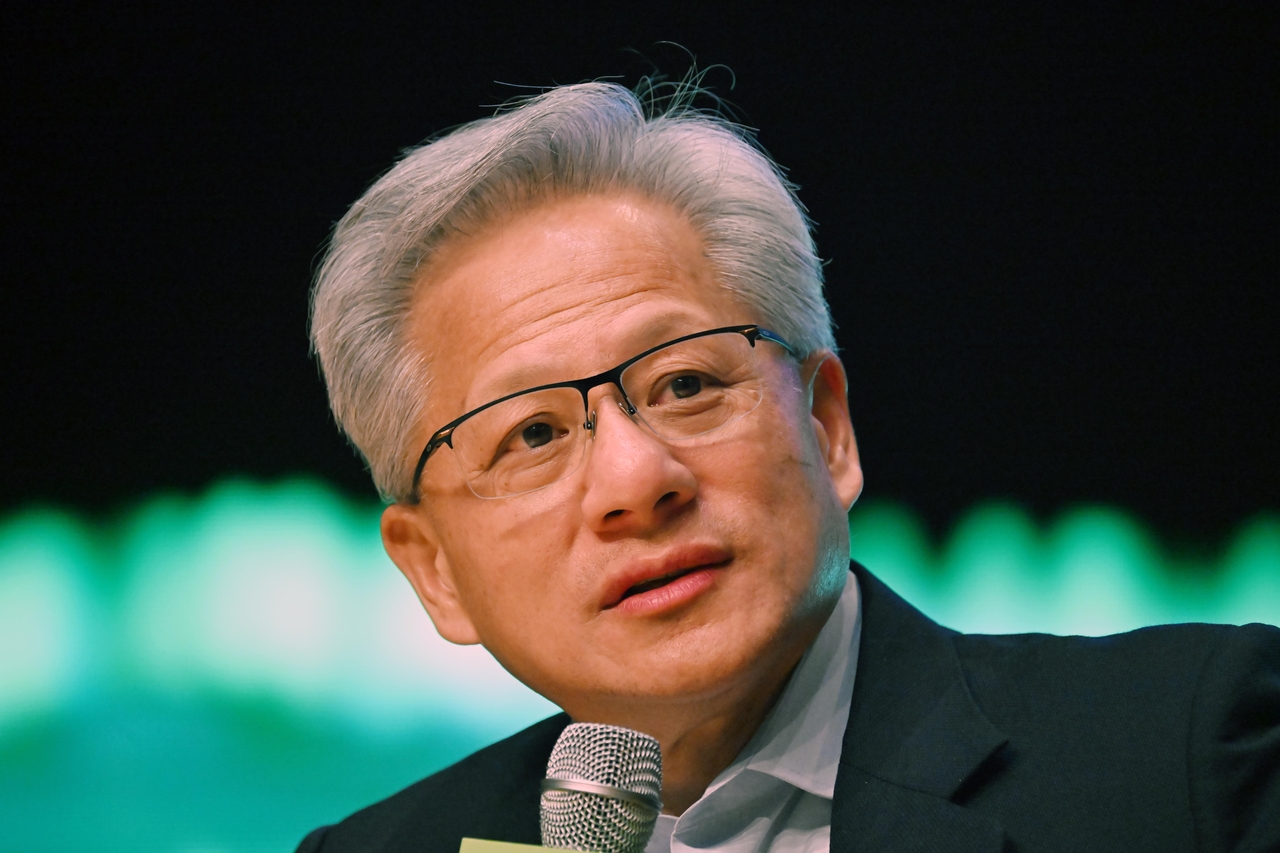
2. Jensen Huang, CEO of Nvidia, at the APEC CEO Summit on Friday
“Now that AI is profitable, we want to create more factories to generate more AI. We have now achieved what is called a virtuous cycle. The AIs get better, more people use it, it makes more profit, creates more factories, which allows us to create even better AIs, which allows more people to use it. The virtuous cycle of AI has arrived. And this is the reason why you are seeing the world’s capex going so fast.”
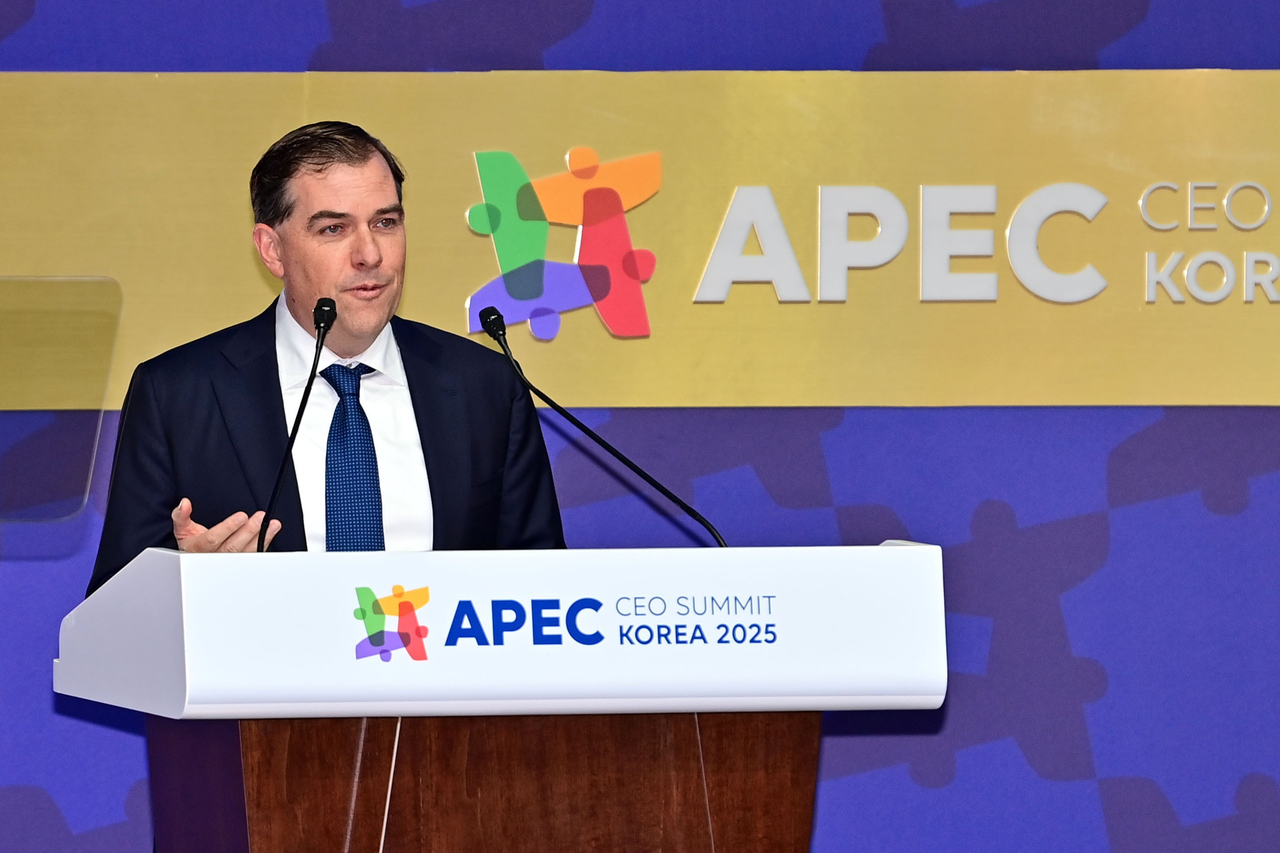
3. Matt Garman, CEO of Amazon Web Services, at the Future Tech Forum Series: AI on Tuesday
“When you look at a technology stack, no one AI stack can be built in any one country. We need foundries and TSMC, we need memory and HBM that’s built here in Korea, and we need cloud technologies from the United States. If you look at all the pieces that go into building a critical AI stack, it’s a global economy and a global technology stack.”
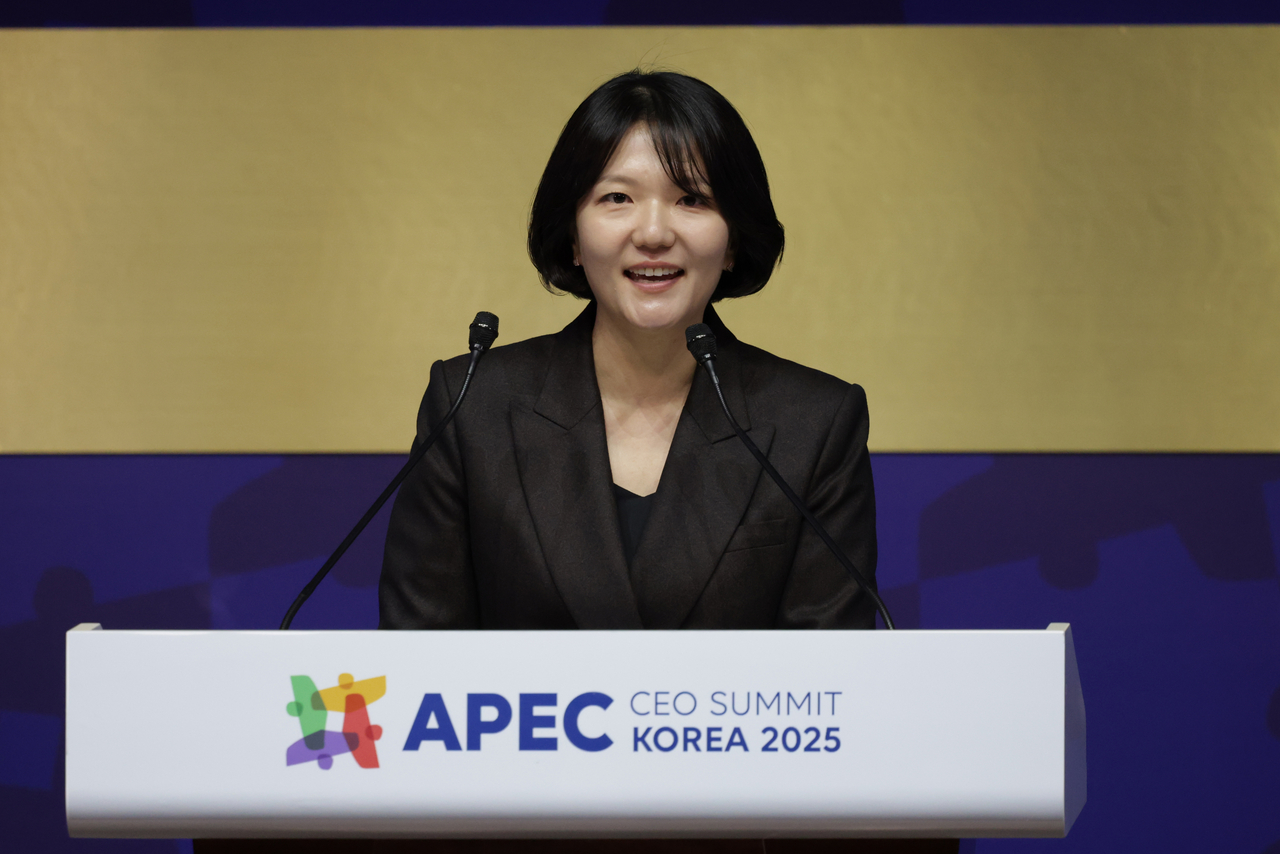
4. Choi Soo-yeon, CEO of Naver, at the APEC CEO Summit on Wednesday
“Our search began with a simple belief that, even without an encyclopedia, everyone should have access to knowledge. The foundation of AI that creates a better future for everyone lies in AI data centers. They serve as a core infrastructure for connecting the digital ecosystem and building a more inclusive and sustainable AI.”
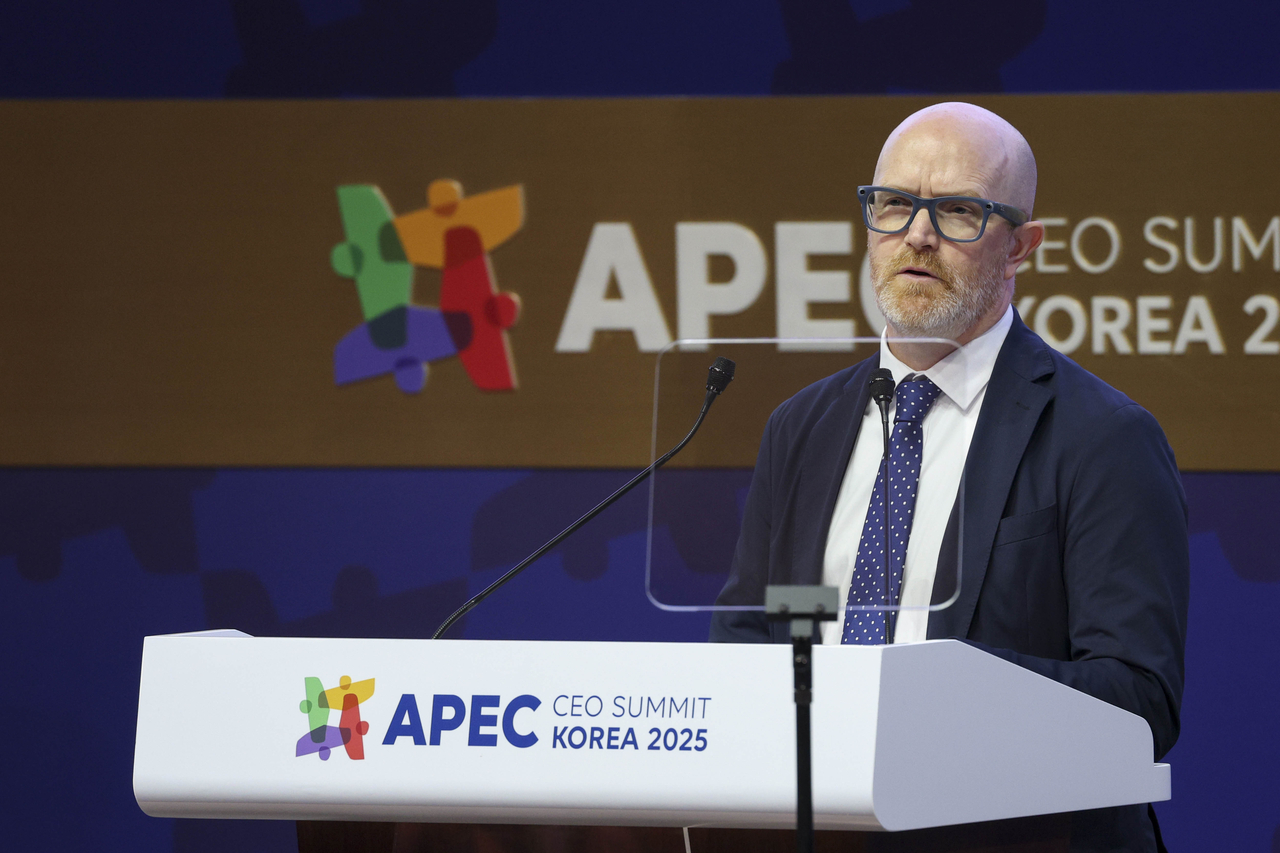
5. Simon Milner, Meta's vice president for the Asia-Pacific region, at the APEC CEO Summit on Wednesday
“We see (glasses) as the most exciting hardware category of the AI era. They're the perfect device to bring AI into your world because just like this, they can see what I'm seeing and they can also hear what I'm hearing. As our AI models improve, glasses will become the primary computing device because they are uniquely capable of understanding a human's perspective. So they're going to continue to be great for listening to music and podcasts, for taking pictures and videos, and most importantly, they will continue to help people stay present, to be tuned in to the world around them instead of looking down at their phones.”
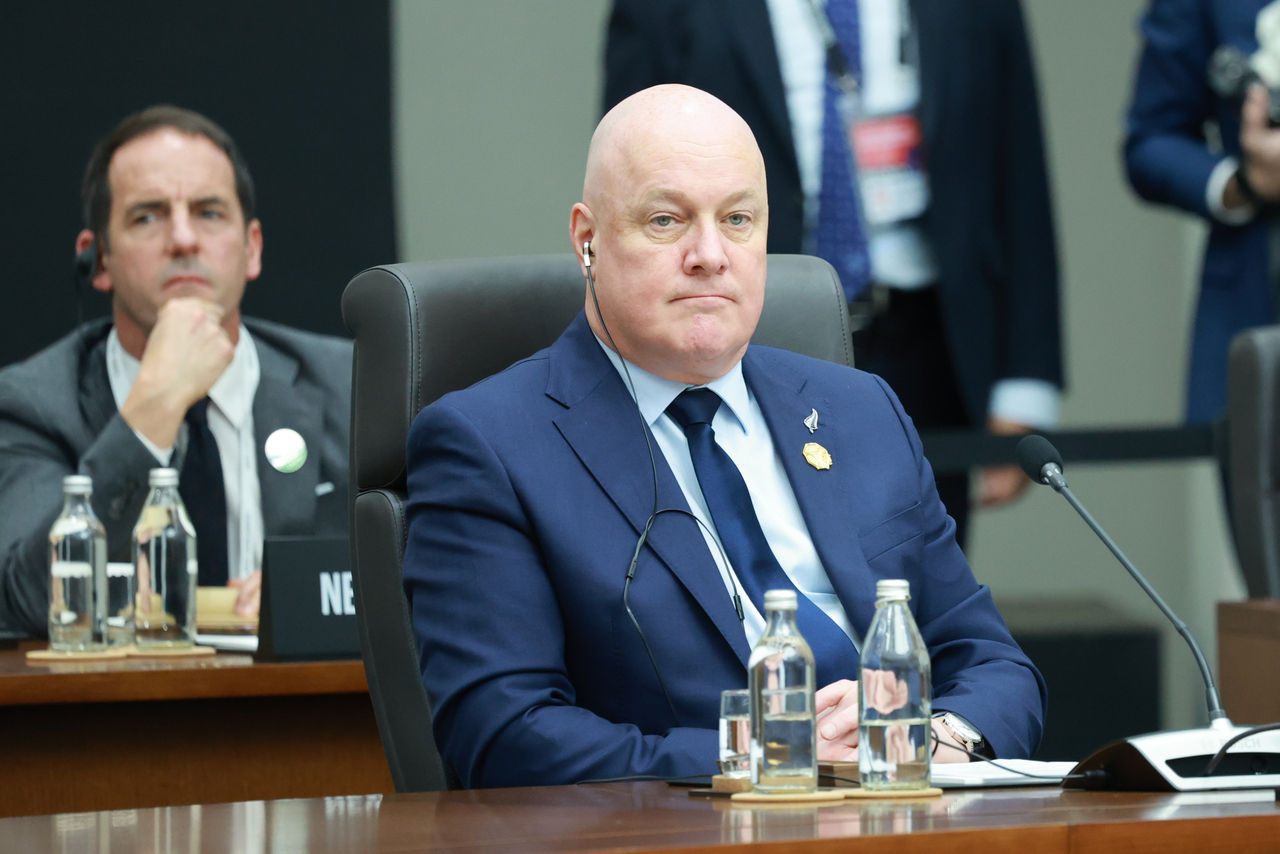
6. Christopher Luxon, prime minister of New Zealand, at the APEC CEO Summit on Wednesday
“I think there is much more opportunity than there is downside risk with AI. I know there's a lot of conversation around ethical AI, how we will govern it, how we'll manage the risks. Yes, we need to do that in a multilateral way. We need to put the laws and the regulations in place to manage that. But for all our economies and particularly for a country like New Zealand, there is just so much more upside through adoption of technology, AI, quantum, a whole bunch of the technology that is there.”
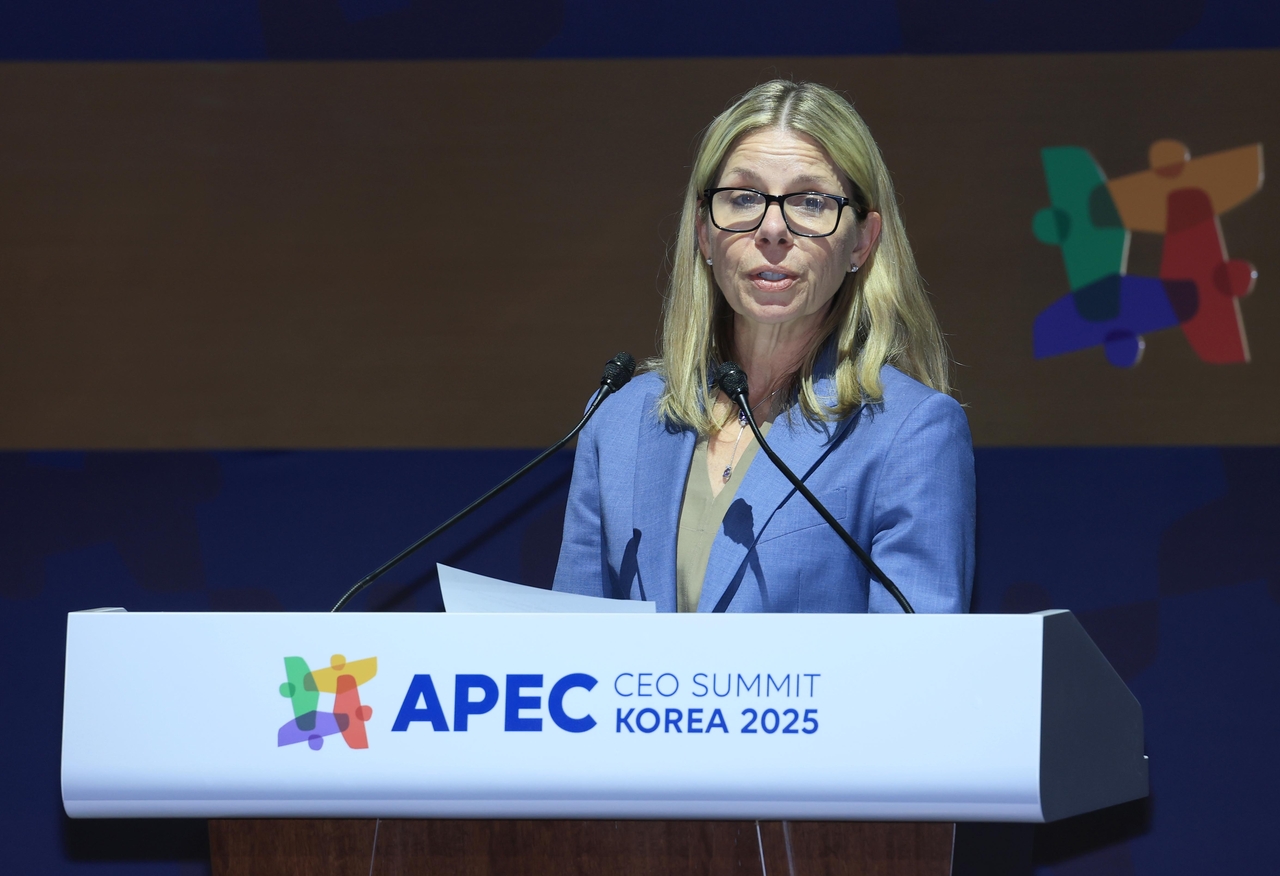
7. Anna Bjerde, the World Bank's managing director of operations, at the APEC CEO Summit on Wednesday
“The question really is, can developing economies benefit from AI in the same way as others did from past technological progress. The answer is yes, but with a caveat. There is Big AI and there's Small AI (smaller, context-specific models).
“To benefit from Big AI, you need four things. You need a lot of computing power. You need affordable and reliable electricity. You need data, also a lot of it, and it needs to come in the simplest form and shared across multiple regions to generate the most predictable power. And then you need people who understand how to use and manipulate the data. Not many developing economies will have these four.”
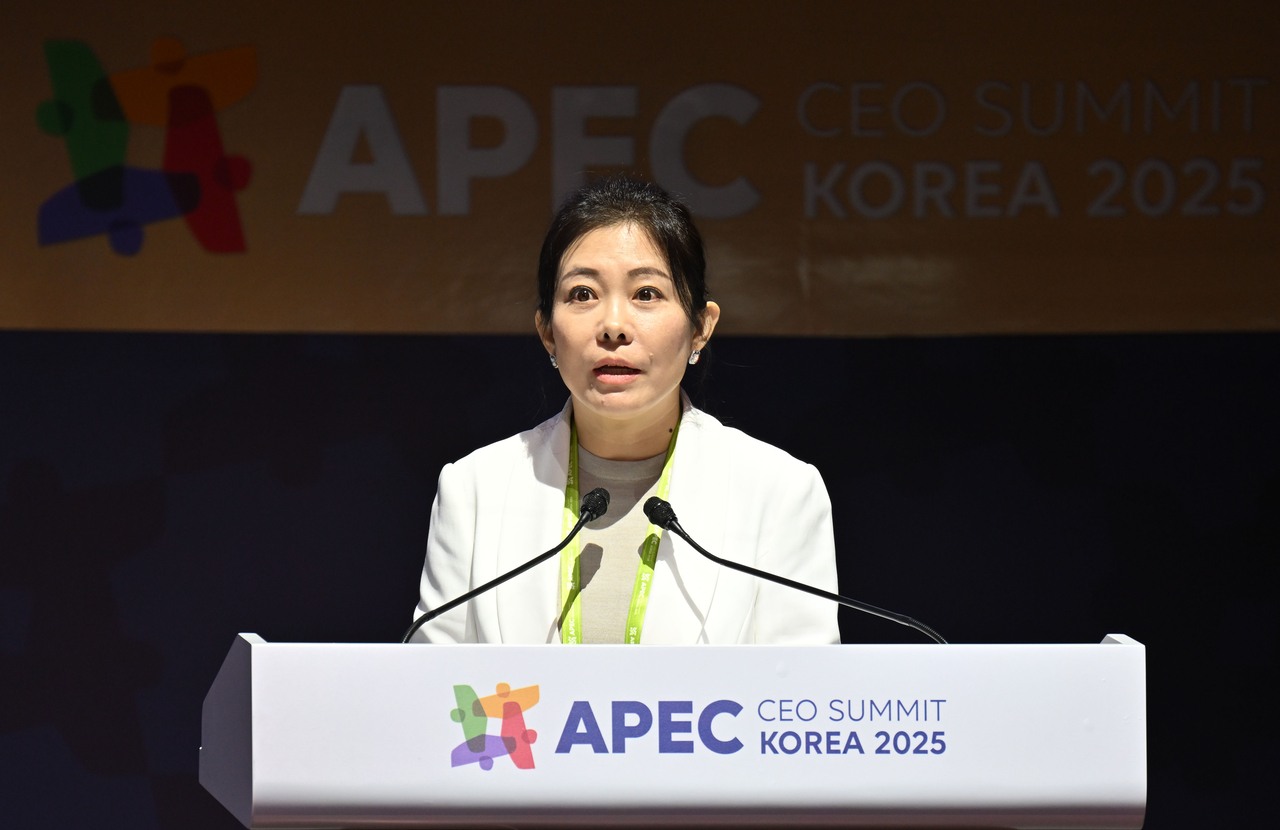
8. Sandy Ran Xu, JD.com CEO, at the APEC CEO Summit on Wednesday
“Over the next three years, we'll keep investing in technology to support industries, in building an extensive AI ecosystem. And I call on all of us in the APEC business community to adopt AI and other technologies to make connectivity faster, industrial supply chains stronger, and create greater value for all kinds of industries.”
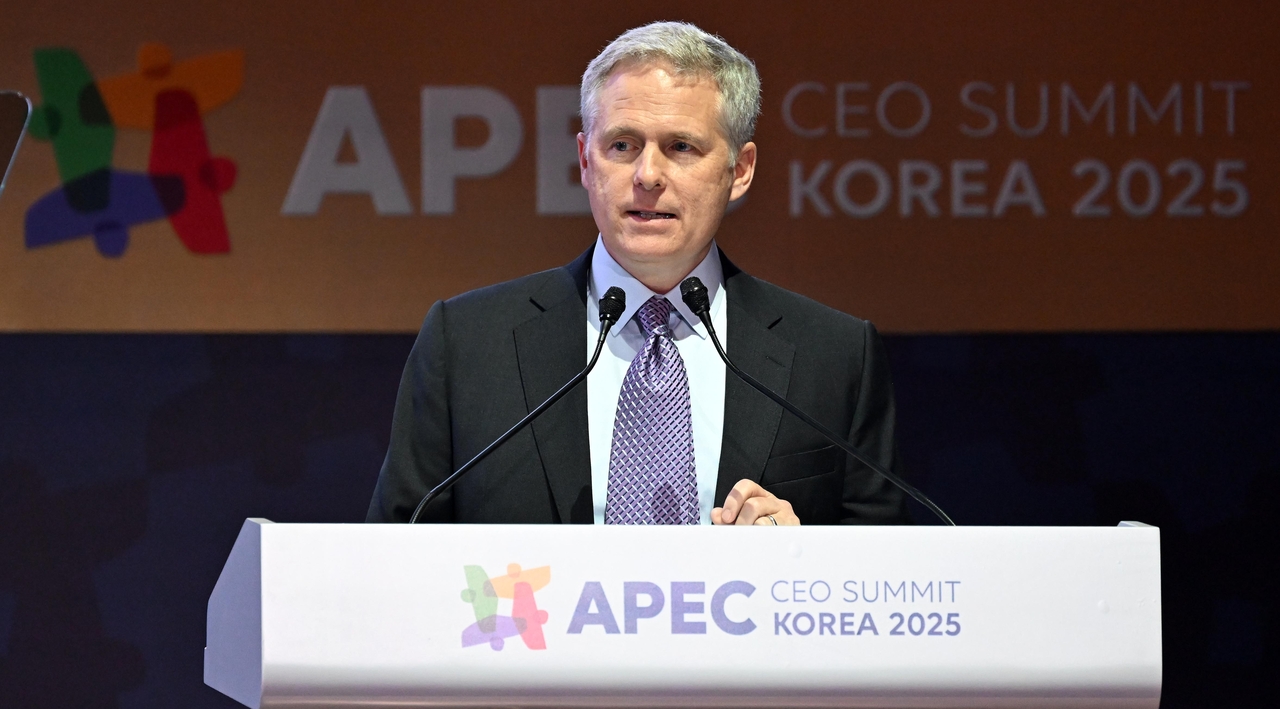
9. Simon Kahn, Google's chief marketing officer for Asia-Pacific, at the APEC CEO Summit on Thursday
“We must be bold in our ambition and in the innovations that we create. Second, we must be responsible. In the AI era, we have a profound social responsibility to ensure that the benefits of this technology uplift everyone and drive sustained prosperity for generations to come. Finally, we must do this together. AI is global. Our regulatory frameworks must be as well. By building on common international standards, we can mitigate risks without stifling innovation, creating the public trust necessary for widespread adoption.”
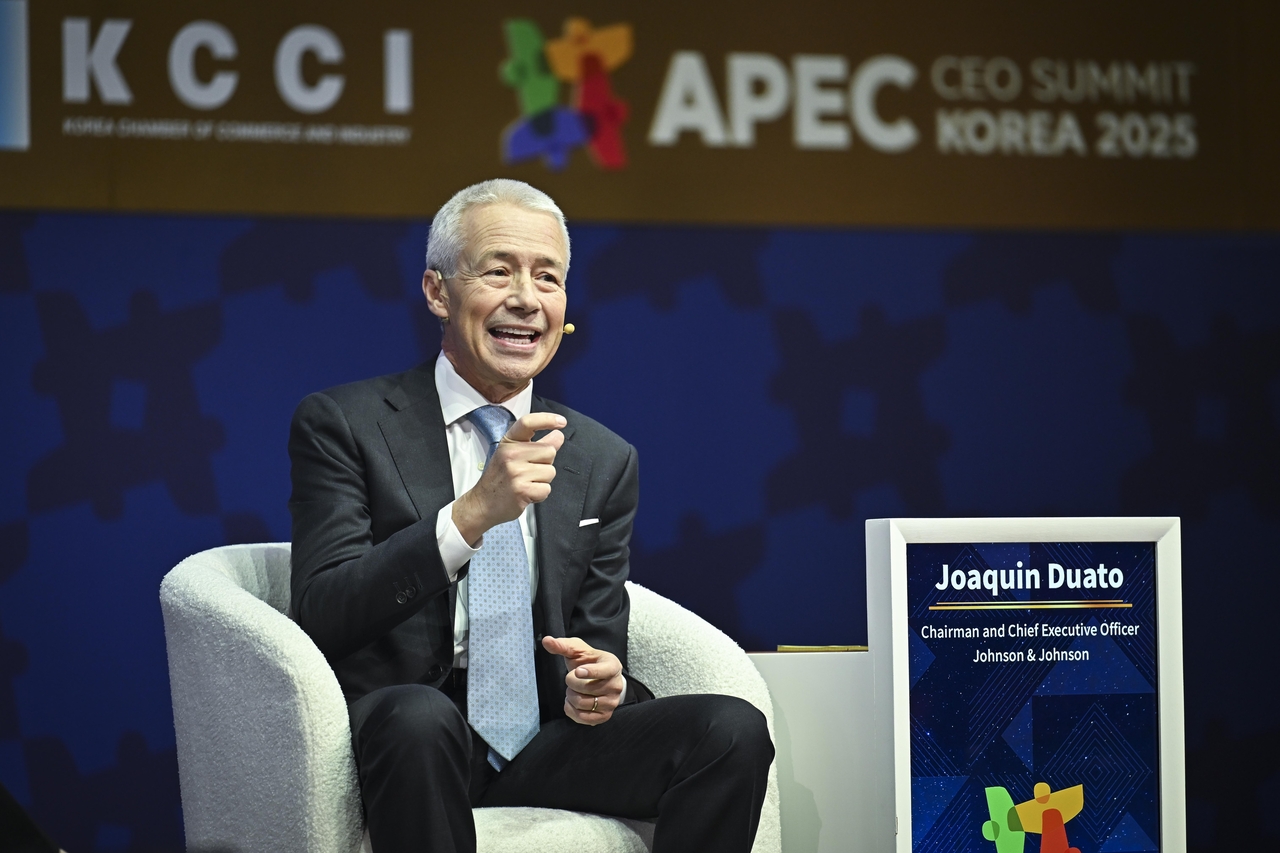
10. Joaquin Duato, Johnson & Johnson CEO, at the APEC CEO Summit on Friday
“I think that health care in particular will advance more in the next decade than we have done in the last hundred years. And you are seeing that coming together today. We have a better understanding of the biology of disease. We have more treatment modalities than we have had in a long time, and at the same time, we have new technologies like AI that are amplifying what we do. So yes, we are going to be seeing advances in multiple areas that are affecting society, like cancer, cardiovascular or mental health that we have not seen in a long time.”
hnpark@heraldcorp.com
sahn@heraldcorp.com