
With over half of unlicensed scooter violations involving teens and usage down 14 percent year-over-year, South Korea’s e-scooter future is under growing scrutiny
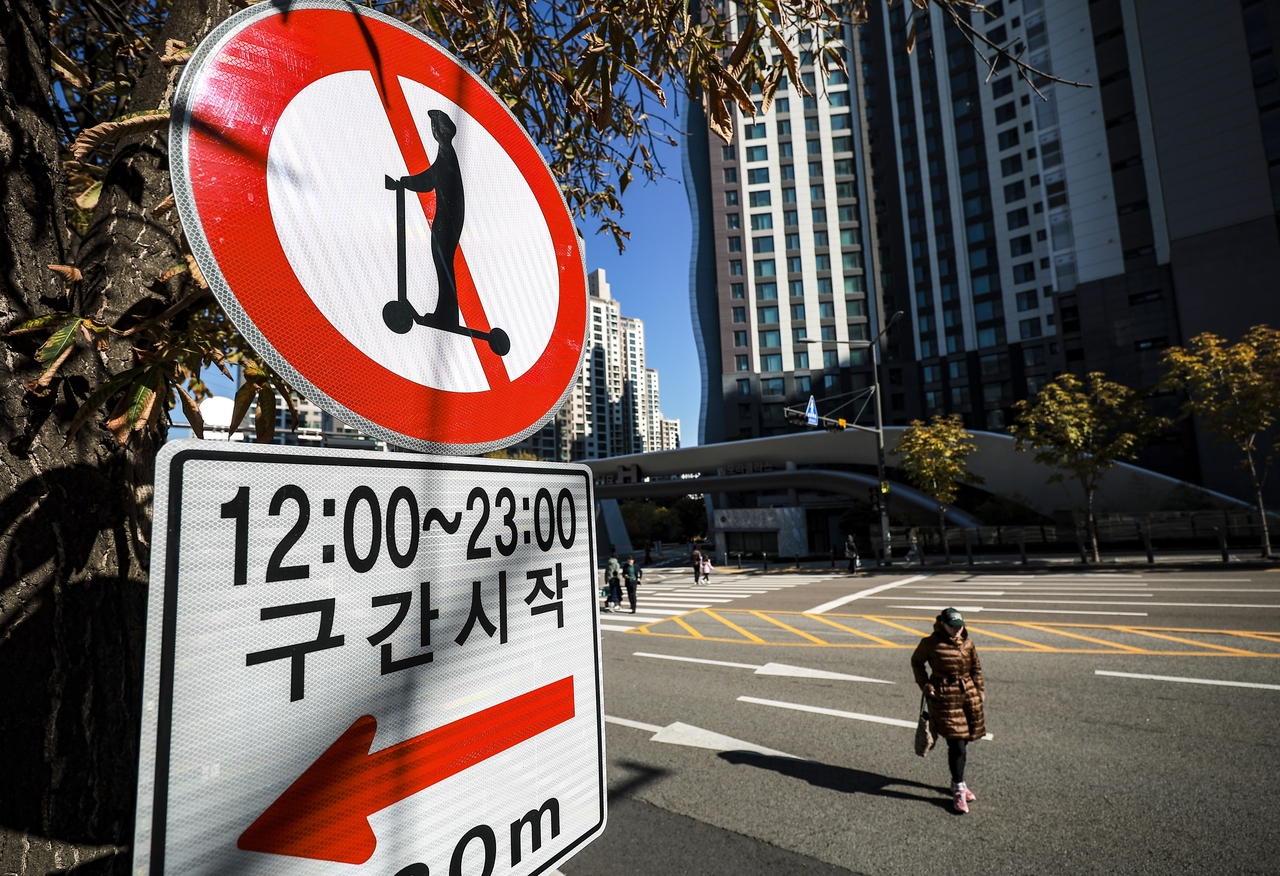
South Korean police are weighing criminal liability for e-scooter rental companies after a teen riding a scooter critically injured a woman in Incheon last month, a case that has intensified public anger over a service already strained by years of accidents, sidewalk conflicts and government crackdowns.
Police confirmed they are reviewing whether rental platforms facilitated unlicensed riding in the Songdo accident on Oct. 18, which involved two middle school students who crashed into a woman walking with her young daughter. According to police reports, the woman stepped in front of the scooter to protect her child, was knocked backward and suffered severe head injuries.
She remains hospitalized in serious condition, according to the most recent police update.
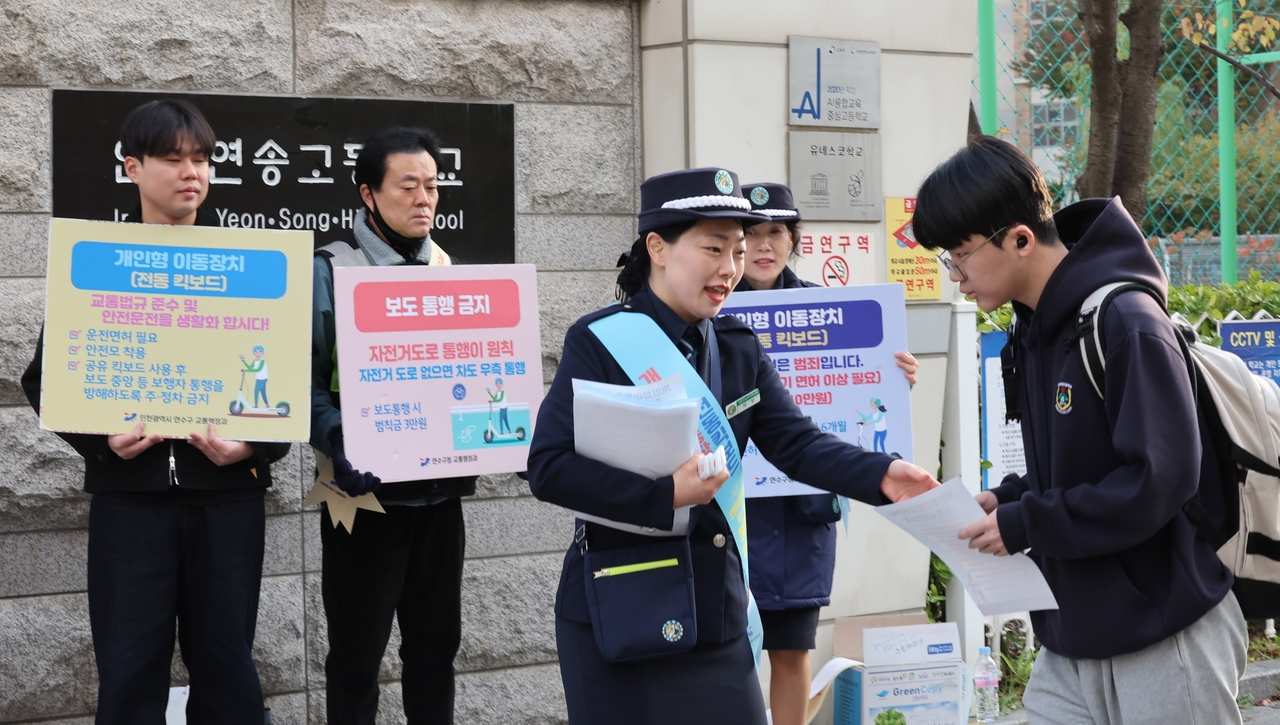
The investigation centers on whether e-scooter operators made it possible for minors to unlock vehicles without a valid driver license. Under South Korean law, riders must hold a Type 2 motorized bicycle license, which is available only to those aged 16 or older.
Police told local media that the National Office of Investigation has directed Incheon officers to consider "aiding and abetting" as a possible charge for the scooter operator involved in the teens’ ride, although investigators have not yet summoned company officials.
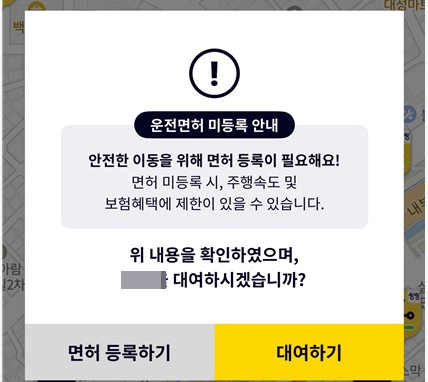
Inspections by local media outlets on Nov. 16 found that six major rental platforms still allow riders to start trips without license verification. Some apps show a notice but permit users to skip it while others offer incentives such as coupons to encourage optional verification or provide no license prompt at all.
This inconsistency is now at the center of legal scrutiny, as the current regulations require companies to prevent unlicensed use -- not merely warn against it.
Years of pushback and policing
Public frustration has already been building for several years as e-scooters shifted from a futuristic mobility trend to a frequent source of collisions and civic disputes. According to police data for 2024, more than half of all unlicensed personal mobility violations involved teenagers. The same data shows that hit-and-run cases involving these devices also included a similar proportion of minors.
Cities have also struggled with additional burdens caused by abandoned scooters left in pedestrian zones and transit corridors. Seoul city government data shows that tens of thousands of such scooters have been removed each year in Seoul alone since 2021.
The crackdown on youth safety violations comes at a time when Korea’s shared e-scooter industry is already in decline. According to data analytics firm IGAWorks, combined monthly active users across 10 major e-scooter platforms in October fell to approximately 1.24 million. This represents a 14.5 percent drop from the same month a year earlier, and a steady fall from a peak of nearly 1.74 million in 2022.
In late 2024, Swing, once the country's second-largest PM operator, exited the e-scooter market entirely to refocus on electric bikes and ride-hailing services.
mjh@heraldcorp.com