The South Korean economy is recovering from a downturn in the first half of the year, supported by stronger domestic demand and a rebound in the semiconductor sector, despite lingering uncertainties, the finance ministry said Friday.
The Ministry of Economy and Finance made the assessment in its monthly economic report, the Green Book, striking an upbeat tone for the second consecutive month. The ministry had mentioned "recovery" for the first time in its previous edition.
"Recently, our economy has been showing signs of recovery, driven by improving domestic consumption and strong semiconductor performance, moving away from the sluggishness seen in the first half," the report said.
However, the ministry cautioned that uncertainties remain, citing continued employment difficulties in vulnerable sectors, the slow pace of recovery in construction investment and the potential impact of US tariff measures.
In October, the country added more than 190,000 jobs, continuing an upward trend in employment this year. However, employment losses continued in the manufacturing and construction sectors, as well as among the younger population.
Industrial output expanded from a month earlier in September, while facility investment jumped 12.7 percent, rebounding from an on-month decline in August.
Retail sales, a gauge of private consumption, declined for the second month in September, but the pace of decline sharply slowed from the previous month's decrease.
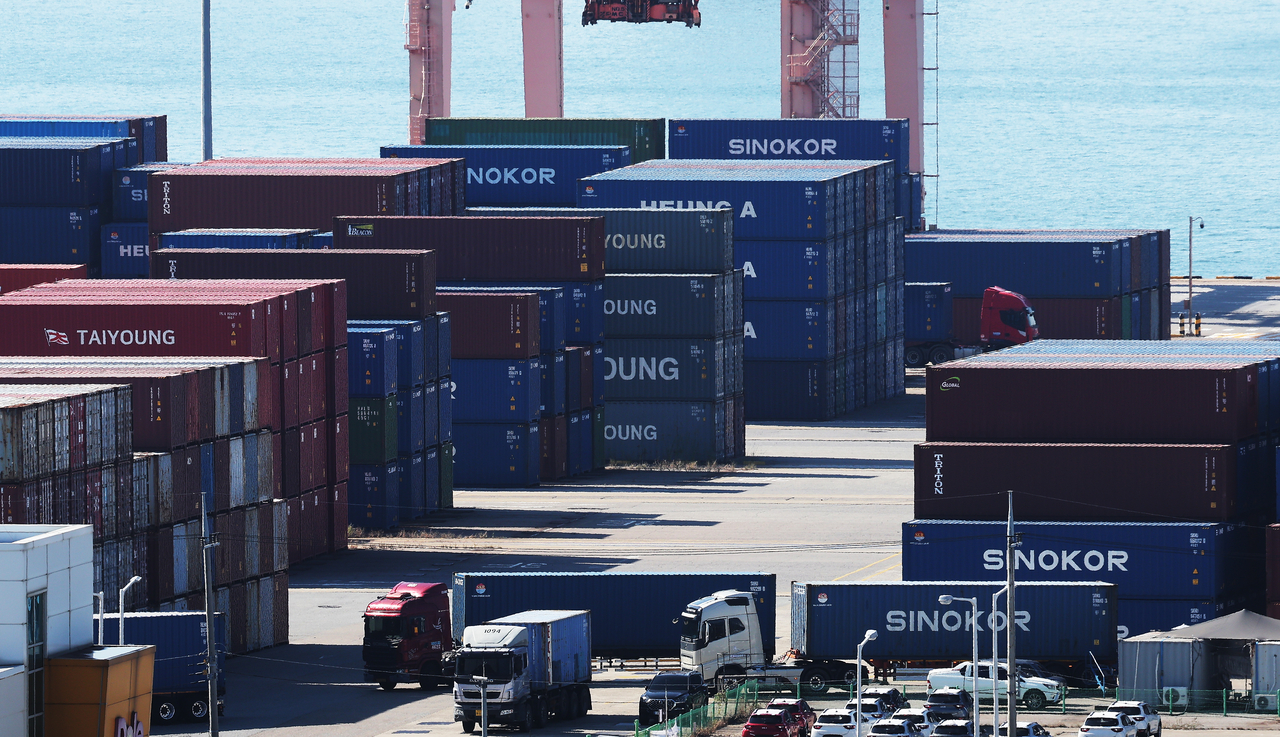
In October, the country's exports grew 3.6 percent from a year earlier to $59.57 billion on the back of strong demand for semiconductors, marking the fifth consecutive month of increase.
Consumer prices rose 2.4 percent in October, the fastest pace in over a year, driven by higher costs for personal services, including travel and food.
The ministry also warned that the global economy faces risks from worsening trade conditions tied to major countries' tariff measures, which could heighten volatility in international financial markets and slow down global trade.
In late October, Seoul and Washington finalized an agreement on the details of Seoul's $350 billion investment pledge made in exchange for lower US tariffs during summit talks between President Lee Jae Myung and US President Donald Trump, with final coordination under way to release joint documents.
Looking ahead, the government said it will strengthen policies to boost domestic demand and support the spread of growth momentum while advancing major initiatives, such as an economic transformation led by artificial intelligence. (Yonhap)