South Korea’s defense industry is accelerating its transformation from a conventional arms producer into a technology-driven aerospace and unmanned systems powerhouse, signaling a new phase in the nation’s industrial and strategic evolution, an official at one of the country’s top arms exporters said Wednesday.
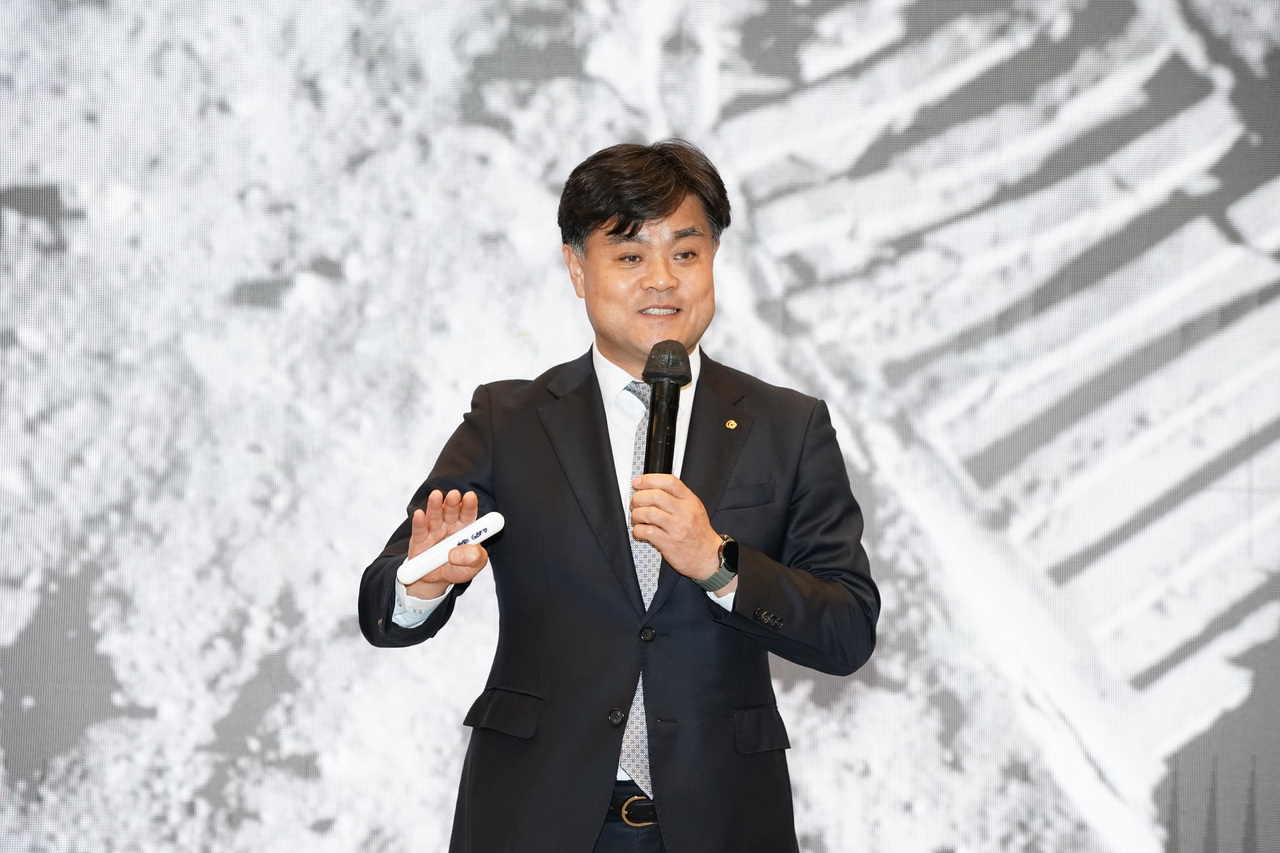
At the Global Biz Forum hosted by Herald Media Group in Seoul on Wednesday, Kim Dong-hyun, head of the Land Systems Business Group at Hanwha Aerospace, outlined plans to channel the company’s defense export success into long-term investments in autonomous platforms, aerospace technologies and artificial intelligence.
“All weapons systems are becoming autonomous,” said Kim. “By 2030, we plan to unveil a fully autonomous self-propelled howitzer, and our Redback infantry fighting vehicle is already being upgraded into the uncrewed Redback A1 model.”
Kim said Hanwha’s evolution reflects a larger trend across South Korea’s defense sector — a move from munition-based production to technology-intensive innovation that integrates automation, sensors and AI.
“Korea’s defense industry began with gunpowder and ammunition,” he said. “But today, systems like the K9 Thunder, Redback, K-IFV and Chunmoo rocket launcher represent technology-oriented defense. The next leap must take us into aerospace and space systems.”
Hanwha Aerospace expects South Korea’s defense exports to exceed $20 billion this year, driven by strong growth from Eastern Europe — particularly Poland and Romania — and expanding contracts across the Middle East. Kim said the company plans to reinvest much of that profit into research and development for aerospace propulsion, satellite networks and next-generation control systems.
“Our future lies in aerospace,” he said. “If communications, PNT (positioning, navigation and timing) and space-based systems do not evolve, neither our defense industry nor our national security can continue to grow.”
Kim emphasized that the convergence of artificial intelligence, quantum science and autonomous systems will define the next generation of national defense.
“Every emerging technology — from AI to quantum computing — will ultimately converge in this field,” he said. “Hanwha’s role is to ensure Korea leads this transformation.”
He also urged the government and public to recognize the defense industry not just as a security instrument, but as a strategic technology sector central to Korea’s innovation ecosystem.
“In the past, self-reliant defense was about duty and conviction,” Kim said. “Today, it’s about technological competitiveness and industrial leadership.”
The forum also highlighted how South Korea’s defense modernization is intersecting with global innovation partnerships, particularly with the United Arab Emirates.
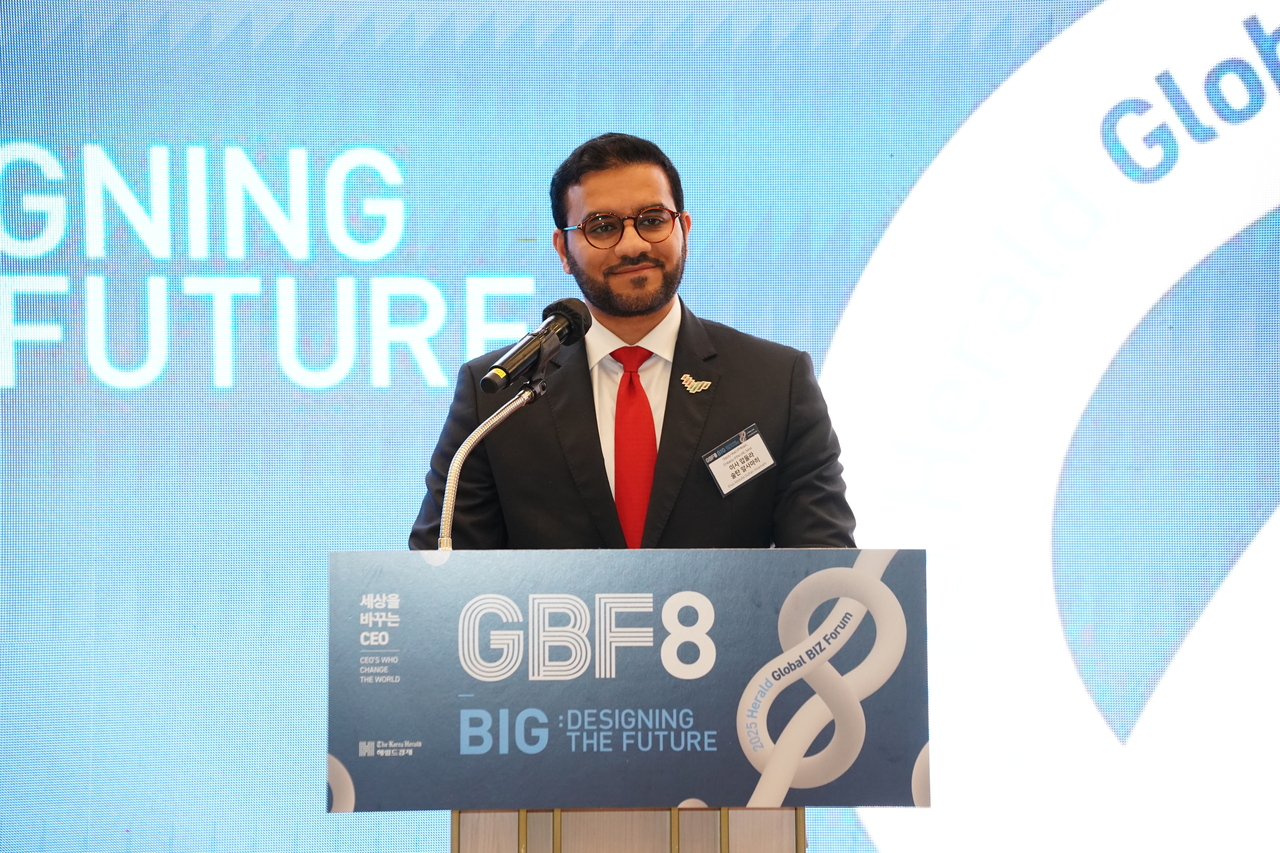
Eisa Al Samahi, charge d’affaires of the UAE Embassy in Seoul, praised the expanding partnership between the two nations, noting that it increasingly encompasses AI, aerospace and advanced manufacturing beyond traditional trade.
“This event underscores the strong momentum behind our partnership,” Al Samahi said. “The UAE’s National Investment Strategy 2031 and National Strategy for Artificial Intelligence 2031 are transforming our economy toward innovation and sustainability.”
He said the UAE’s cooperation with South Korea through the Comprehensive Economic Partnership Agreement will lay the foundation for joint research, knowledge sharing and industrial policy collaboration.
“For investors and innovators, the UAE offers a favorable ecosystem for AI and advanced technologies,” he said. “Through collaboration with South Korea, both nations can access cutting-edge technologies, specialized talent and global innovation networks.”
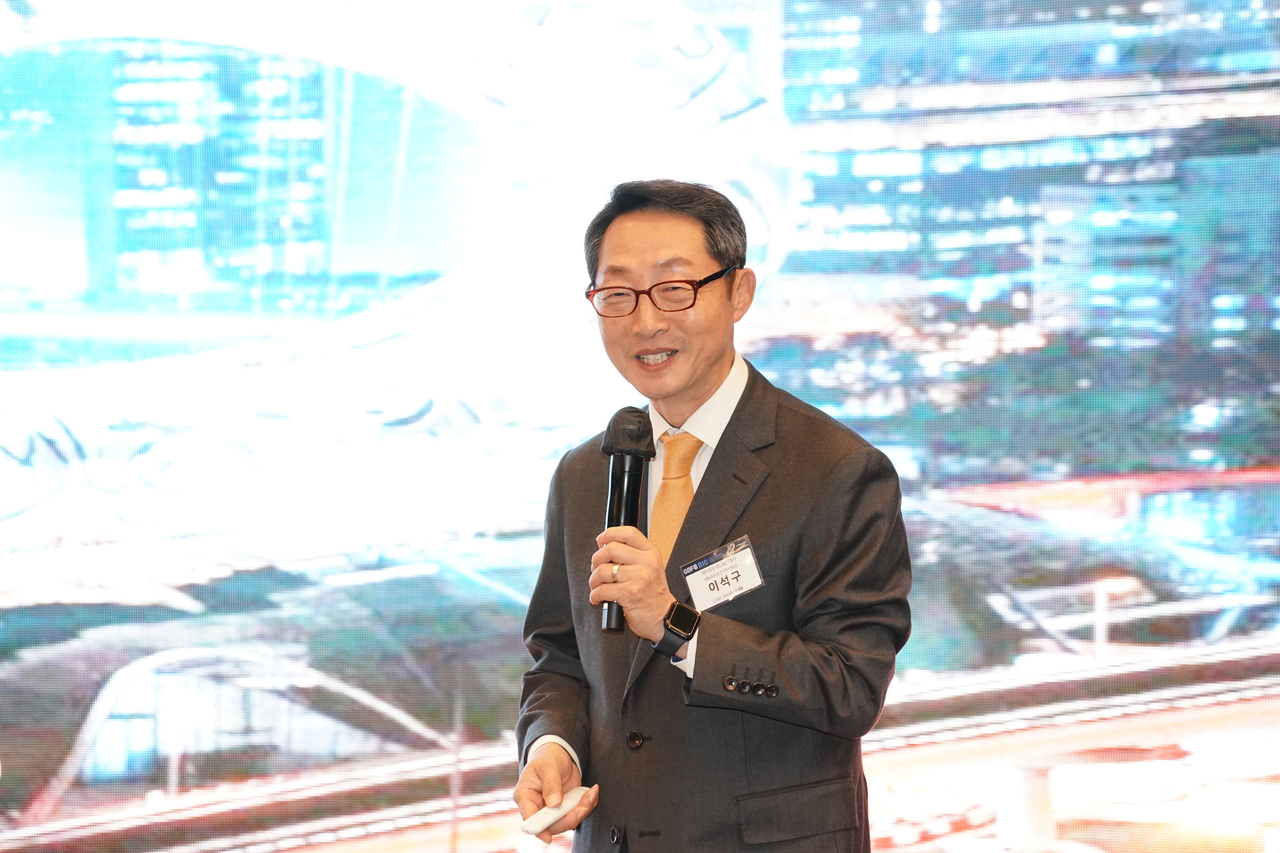
Lee Seok-gu, former South Korean ambassador to the United Arab Emirates, also delivered a speech at the forum, sharing his insights into the country's market.
mkjung@heraldcorp.com