An expert on Wednesday described South Korea's push to acquire nuclear-powered submarines as a "possible" yet "challenging" undertaking, as he pointed to an array of hurdles, including US licensing procedures, nuclear proliferation concerns and relations with China, to name a few.
James Kim, director of the Korea Program at the Stimson Center, touched on potential challenges that Seoul might face on its path to acquiring conventionally armed, nuclear-powered submarines, during a forum hosted by the Washington-based Korea Economic Institute of America.
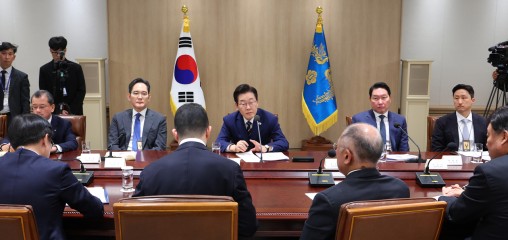
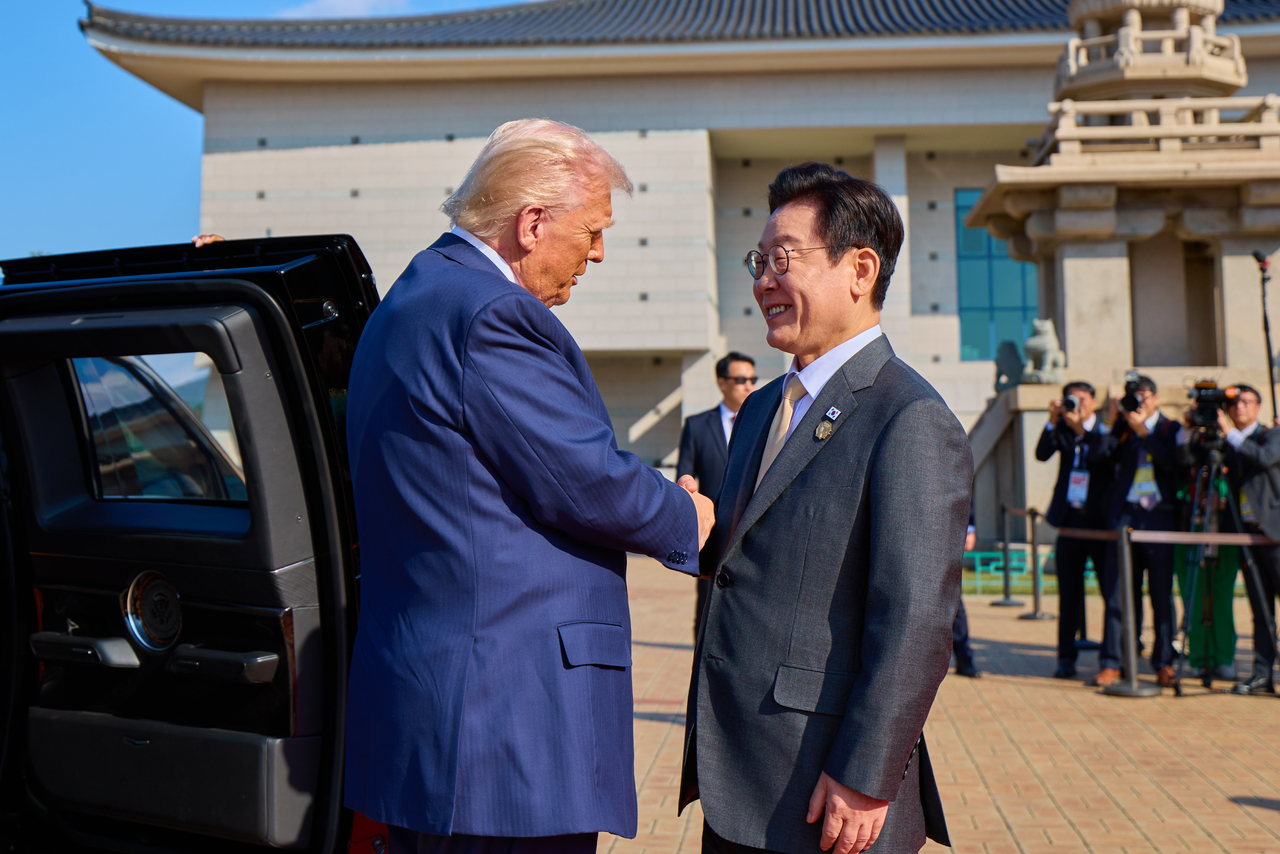
After his second summit with Korean President Lee Jae Myung last month, US President Donald Trump wrote on social media that he approved construction of the submarine for Korea, and that it would be built at a shipyard in Philadelphia, Pennsylvania, although Seoul officials later said that Korea seeks to build it domestically.
"I mean, it's possible. Yes. The question is how much of a political will and economic willingness to invest, and then you know, all this other political stuff," Kim said. "I think it's definitely possible, but it's a long road to get there."
The expert pointed out several initial barriers that Korea might have to overcome should the submarines be constructed in a US shipyard. Among them is the US domestic certification and licensing process, which he said would be a "huge" hurdle.
"Good luck getting it through the Nuclear Regulatory Commission. Good luck getting the Public Utility Commission in Philadelphia, Pennsylvania to approve this," he said. "Having a facility that could handle and store these fissile materials or nuclear radioactive materials near a major metropolitan area in Philadelphia. Good luck with that."
These are what Korea would encounter just in the setup to the next stage, which includes securing a shipyard capable of building a naval submarine, Kim said, noting that the Pennsylvania shipyard, run by Korean shipbuilder Hanwha Ocean, is a commercial yard.
Other issues involve securing supply chains and engineers for nuclear-powered submarine construction -- a new realm for Korea's shipbuilding industry.
In addition, he underlined proliferation concerns in the US and other geopolitical issues that could surface as Seoul pushes to build those powerful submarines.
"On top of that, you got this proliferation-related issues. The IAEA comes into play. What China thinks about this comes into play. It's not just the United States," he said. IAEA is short for the International Atomic Energy Agency, a nuclear watchdog.
"The picture gets a lot more complex. I am not saying that it's impossible. It's just the willpower and the amount of resources that needs to be thrown to make this work. It's a challenging proposition."
For decades, Seoul has sought to build and run nuclear-powered submarines as it pushes to secure sufficient independent military capabilities to better cope with North Korea's rising nuclear threats.
Trump's approval for the submarine construction came as Lee requested that he allow South Korea to secure US nuclear fuel supplies for submarines at a time when a bilateral civil nuclear energy cooperation pact only allows the "peaceful" use of nuclear energy, not for military purposes. (Yonhap)