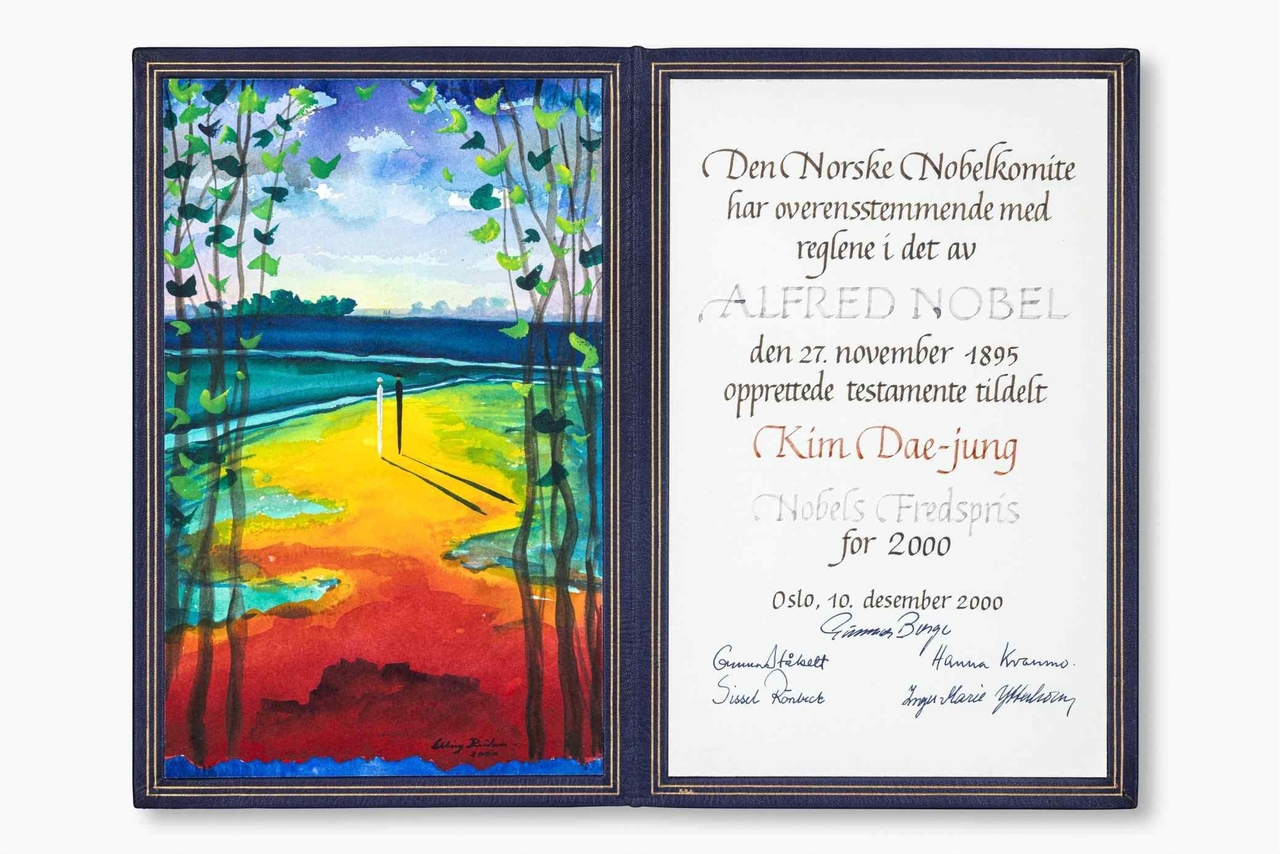
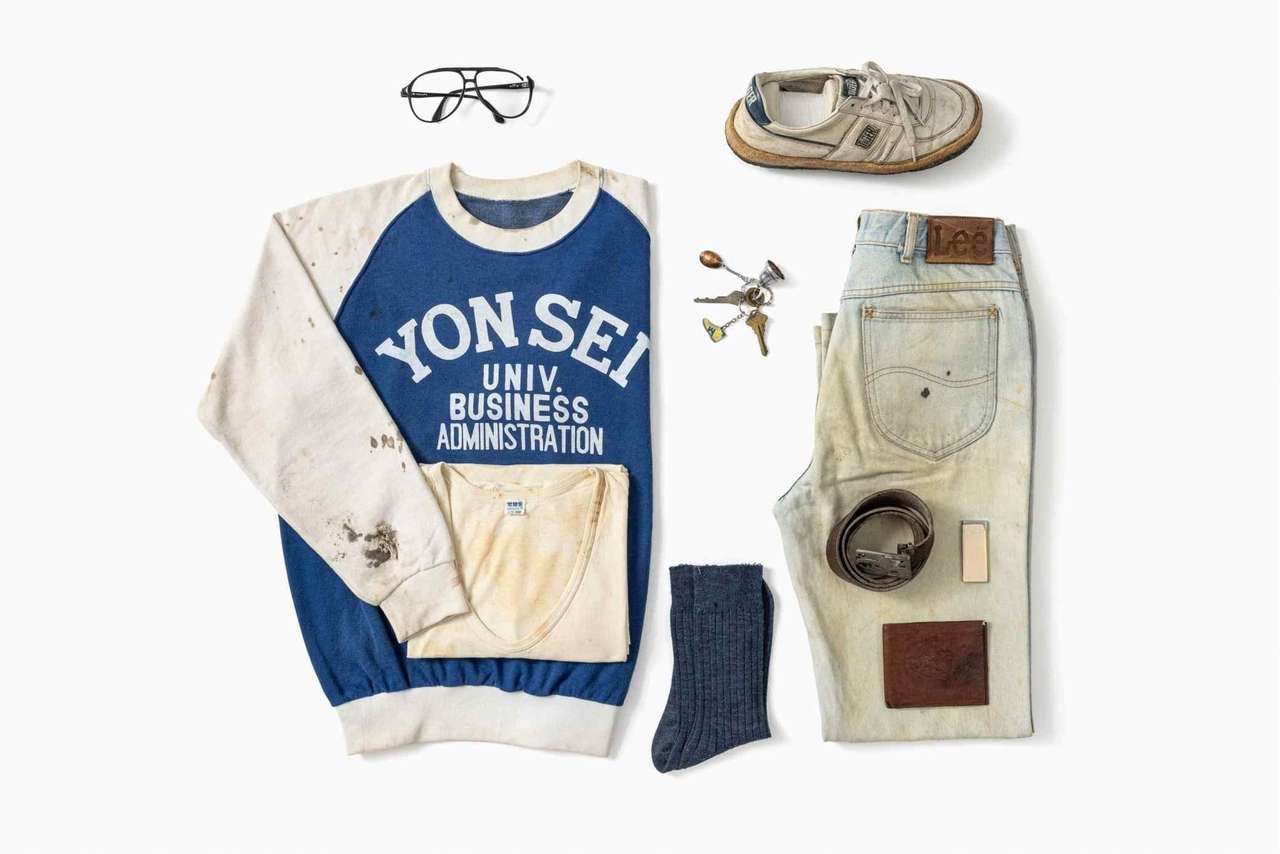
South Korea will formally preserve two of its most powerful symbols of democracy — the late President Kim Dae-jung’s Nobel Peace Prize and the bloodstained clothes of student protester Lee Han-yeol — as part of the nation’s first-ever “preliminary cultural heritage.”
The Korea Heritage Service announced Wednesday that the two items, representing Korea’s struggles and triumphs in modern history, are among 10 selected for the new designation, which was created to protect significant cultural items less than 50 years old.
The decision was approved a day earlier by the Cultural Heritage Committee’s modern history subcommittee.
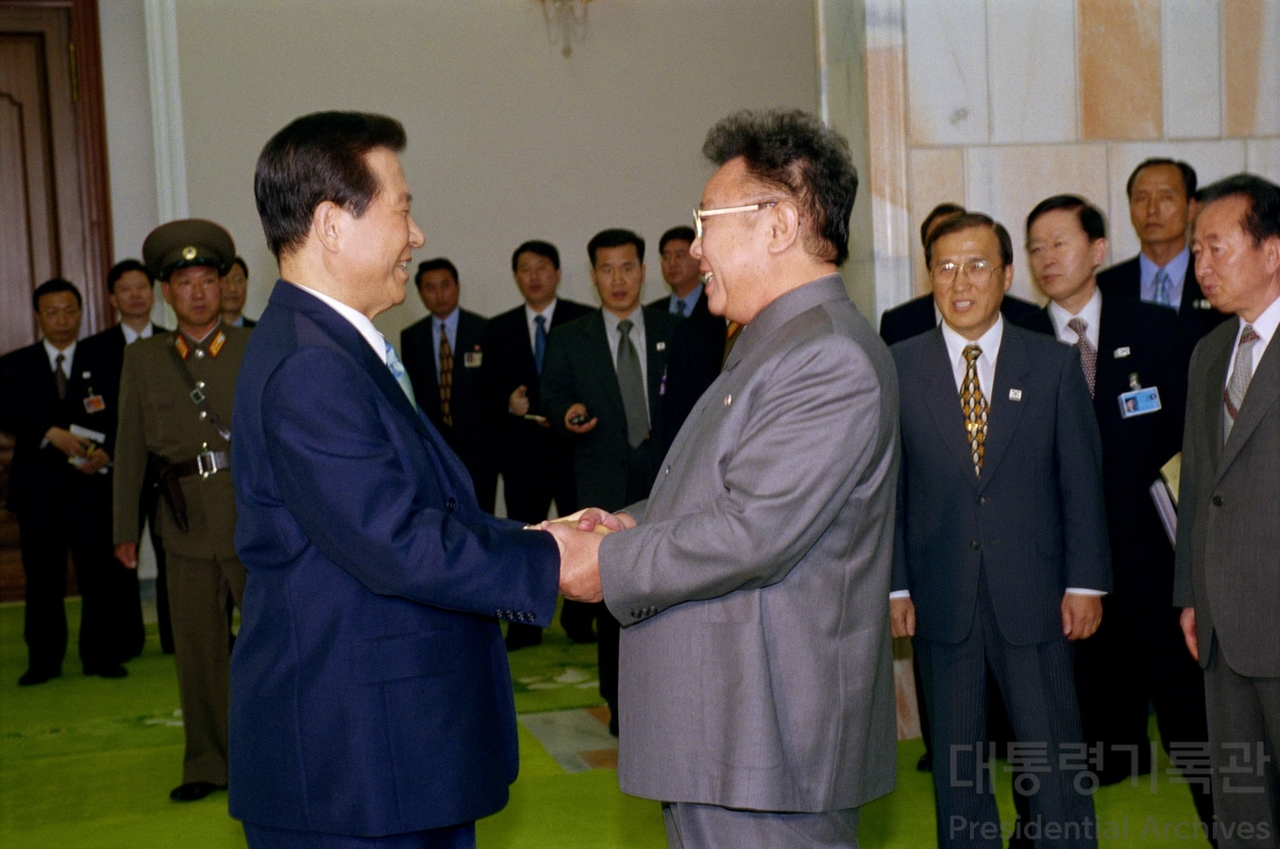
Kim Dae-jung, president from 1998 to 2003, received the Nobel Peace Prize in 2000 for his lifelong fight for democracy and human rights and for promoting dialogue with North Korea through his “Sunshine Policy.” It remains the only Nobel Prize ever awarded to a Korean.
For many Koreans, Kim’s Peace Prize medal and certificate symbolize the country’s hard-won transformation from dictatorship to democracy, and its emergence as a global advocate for peace. The Korea Heritage Service described the award as “an irreplaceable marker of Korea’s democratic maturity and international standing.”
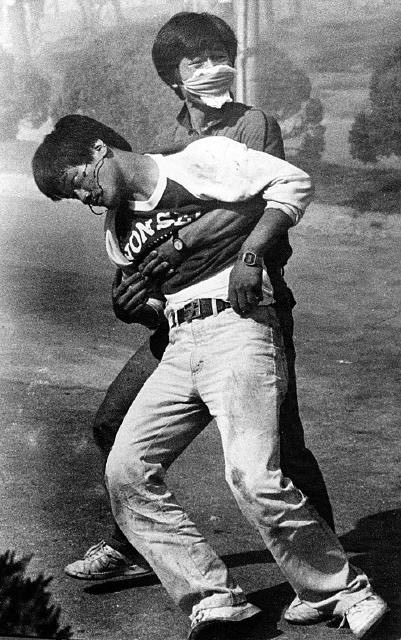
Lee Han-yeol’s belongings tell a different but equally defining story. The 21-year-old Yonsei University student was hit in the head by a tear gas canister during a 1987 protest against military rule. A photograph of him collapsing, blood streaming from his head, shocked the nation and sparked weeks of demonstrations.
His death a month later fueled the June Democratic Uprising that forced South Korea’s leaders to accept direct presidential elections.
Lee’s torn sweatshirt, jeans and sneakers have since become haunting reminders of the sacrifices made for Korea’s democracy. “These are powerful artifacts that reflect the cost of freedom,” a Korea Heritage Service official said.
The preliminary cultural heritage program was introduced in 2024 to preserve contemporary items that capture defining moments in Korean society, even if they are too recent to qualify as traditional heritage.
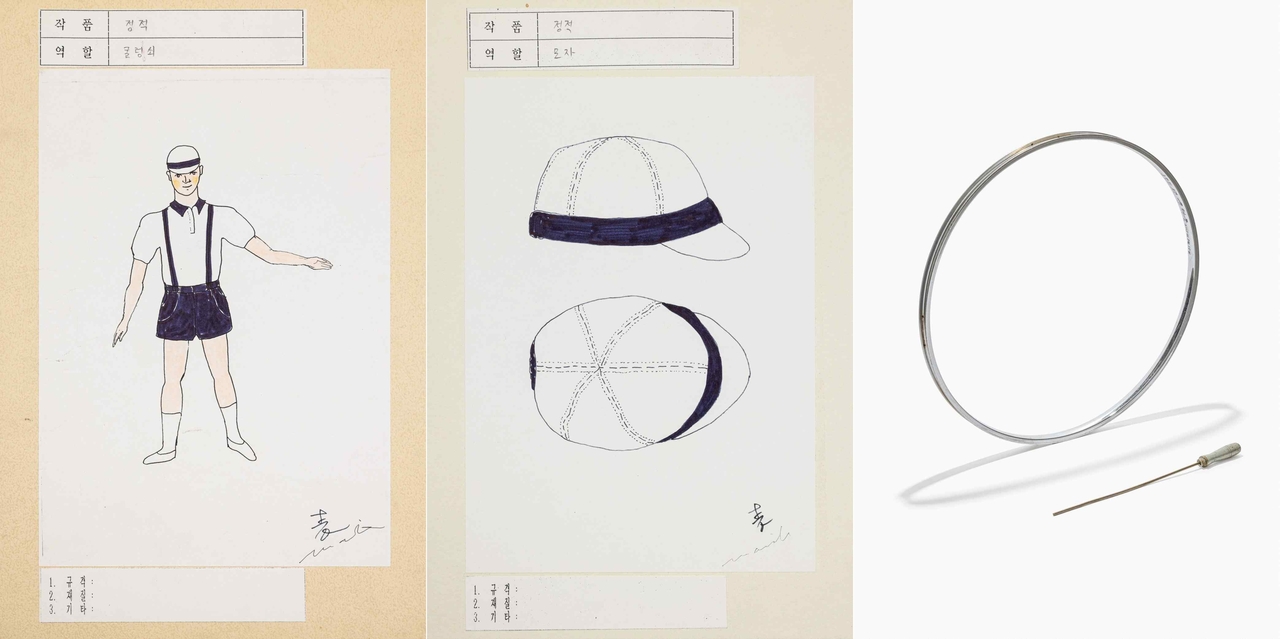
Among the other eight selections in this first round are a chair handcrafted by Buddhist monk Beopjeong, personal items of two Austrian nurses who cared for Hansen’s disease patients on Sorokdo Island, a sketch from the 1988 Seoul Olympics opening ceremony, the first Olympic gold medal won by a Korean athlete (1976), and memorabilia from the 1991 unified Korean table tennis team.
mjh@heraldcorp.com