Two exhibitions revisit legacy of Korean modernist masters Kimm Jong-soung and Kim Chung-up
Redevelopment and reconstruction have long defined the rhythm of urban life in South Korea, spurred by rapid industrial growth and the demands of capitalism. Little space has been left to reflect on how the legacy of Korea’s modern architecture is preserved or remembered.
Kimm Jong-soung and Kim Chung-up are considered pioneering modern Korean architects, along with Kim Soo-guen, but few would be able to answer with examples of what these architects built. A culture of archiving modern architectural heritage is lacking in Korea.
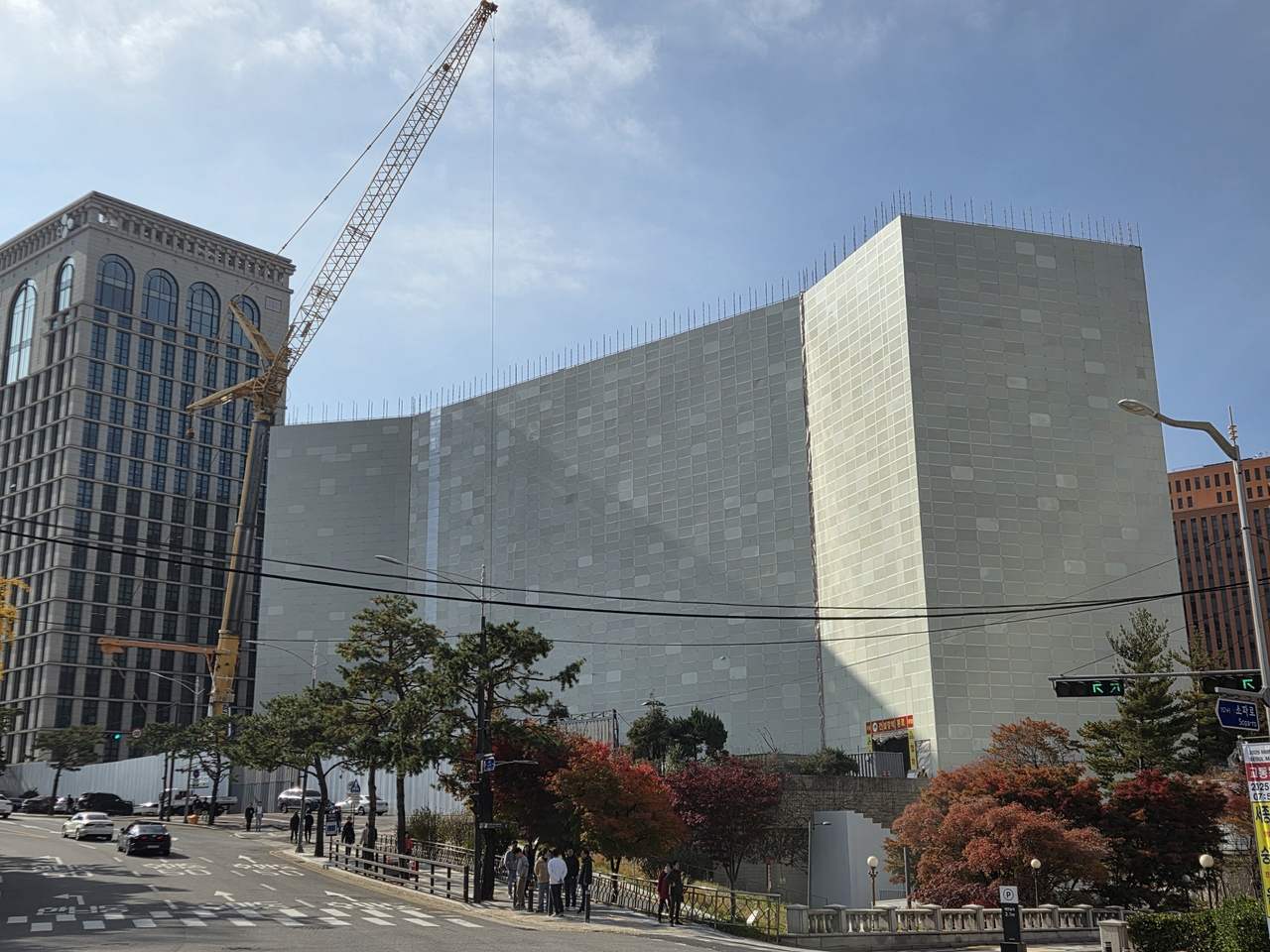
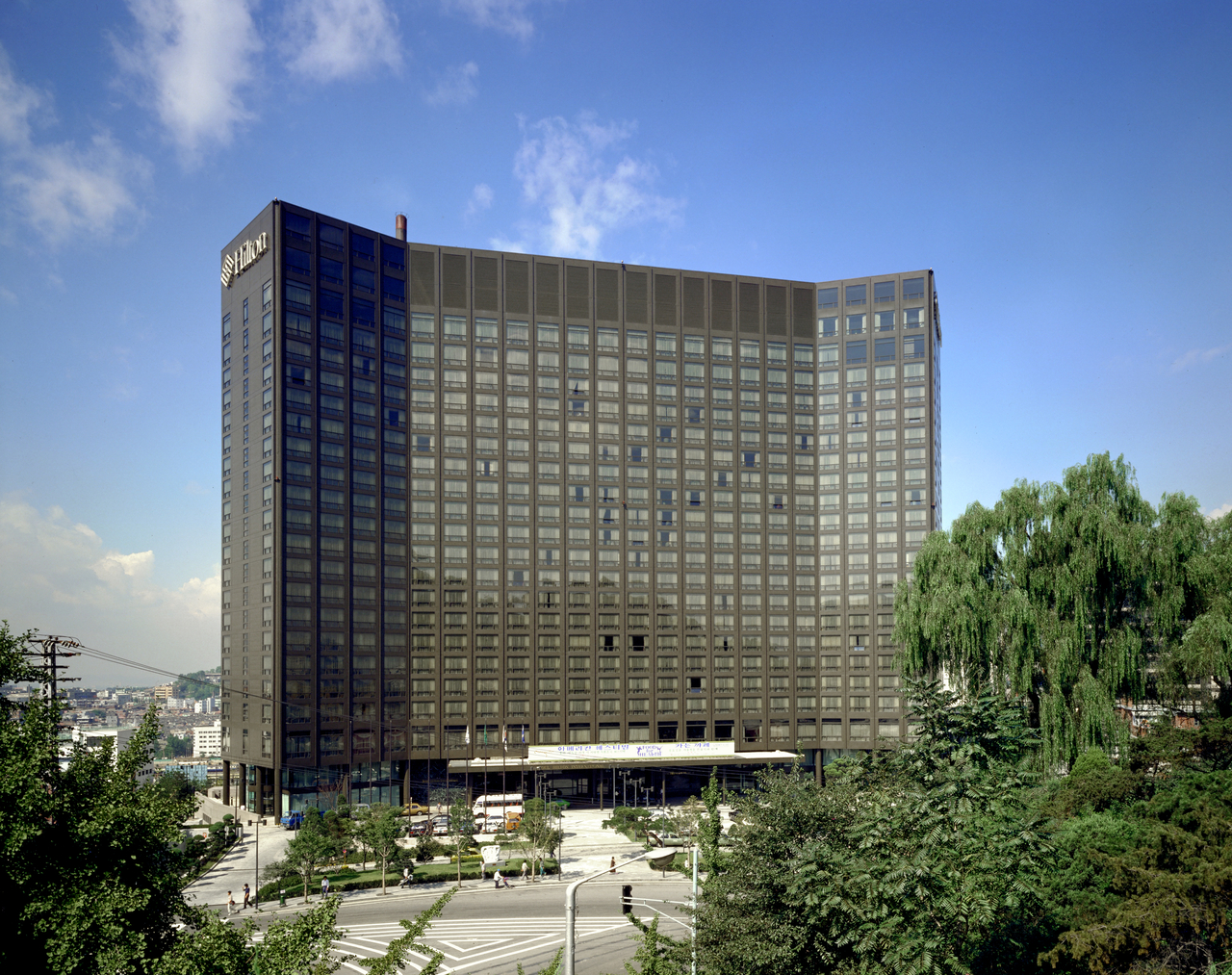
Located along the northern slope of Namsan Park, the former Millennium Hilton Seoul, known before as Hilton Hotel Seoul, is now encased in white scaffolding with demolition underway.
Built in 1983, the hotel was Kimm Jong-soung's first project as an independent architect and is considered a key experiment in Korean modernism. Commissioned when he was 42, Kimm recalled the building “achieved 90 percent of my goal and I felt great satisfaction.”
The building featured a dark facade made of aluminum panels finished in a bronze tone. It was reminiscent of the curtain wall of the Seagram Building in New York, designed by Ludwig Mies van der Rohe.
Having worked at the architectural office of Ludwig Mies van der Rohe for 10 years, Kimm was much influenced by the modernist master.
"Architecture stands between art and engineering — and that’s what makes it so difficult," Kimm told The Korea Herald in May in Venice.
The hotel won the gold award at the Seoul Metropolitan Government Architecture Award in 1985. The building has witnessed the key moments in Korea's history when the country was on the verge of entering the international stage.
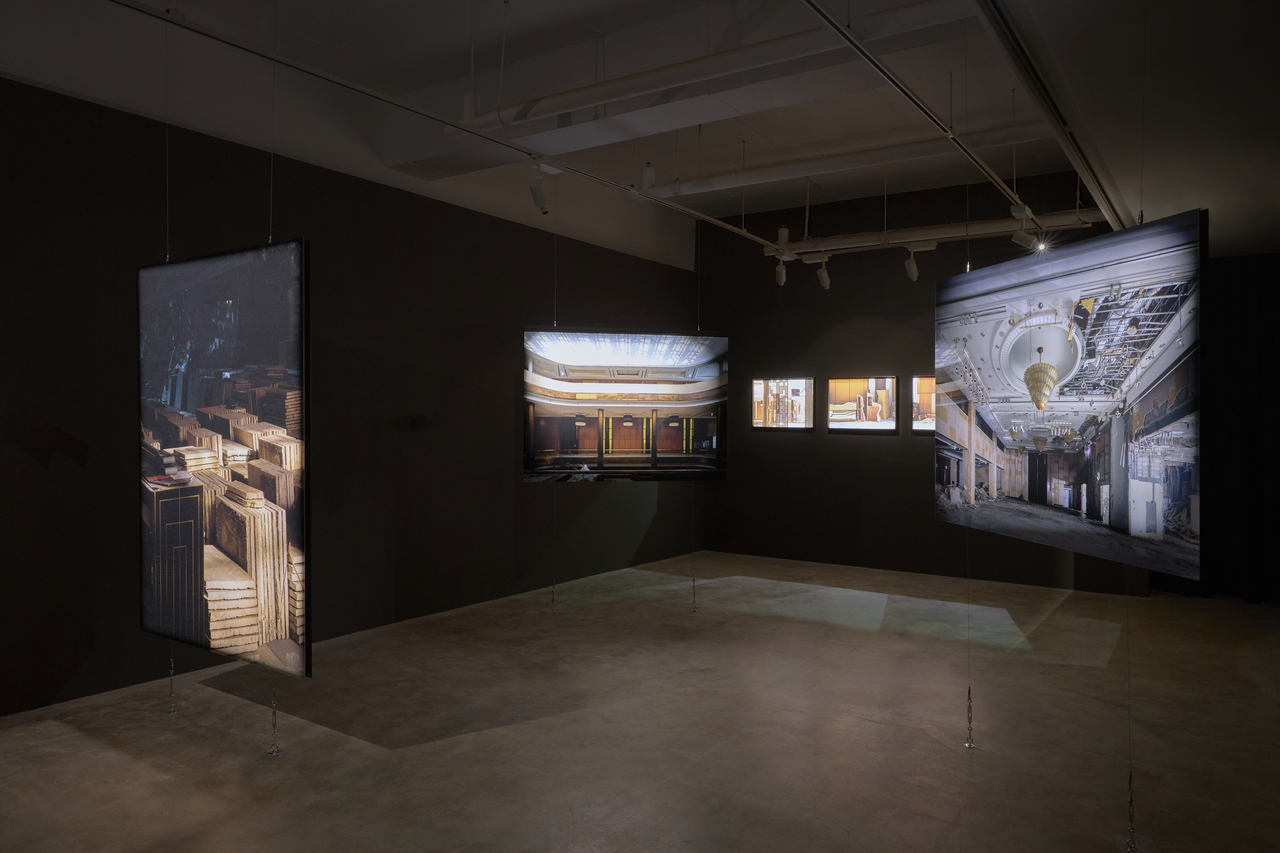
"The Autobiography of Hilton Seoul,” dedicated to the landmark piece of architecture, is running just a stone’s throw from the site itself at Piknic. The exhibition traces the building's evolution through early architectural drawings, Kimm's correspondence with Hilton International Corp., archival photographs and interviews.
Curator Chung Dah-young of Curating Architecture Collective writes in the exhibition catalog that the showcase "raises questions about the meaning of what architecture leaves behind.”
“We also wanted to examine why the process of transforming contemporary architecture into a legacy is controversial.”
Chung and Choi Woo-jung, head of planning at Piknic, collected materials and building debris when demolition started in earnest in May.
“If we had not taken them out, they would have been discarded,” Choi said, walking through the green marble, travertine, oak and bronze salvaged from the site, key materials of the hotel's building.
“Fortunately, when the city approved the redevelopment plan, it required that the building’s defining feature, the Grand Atrium, be preserved. In the new complex, it will be reinterpreted in some way," Choi added.
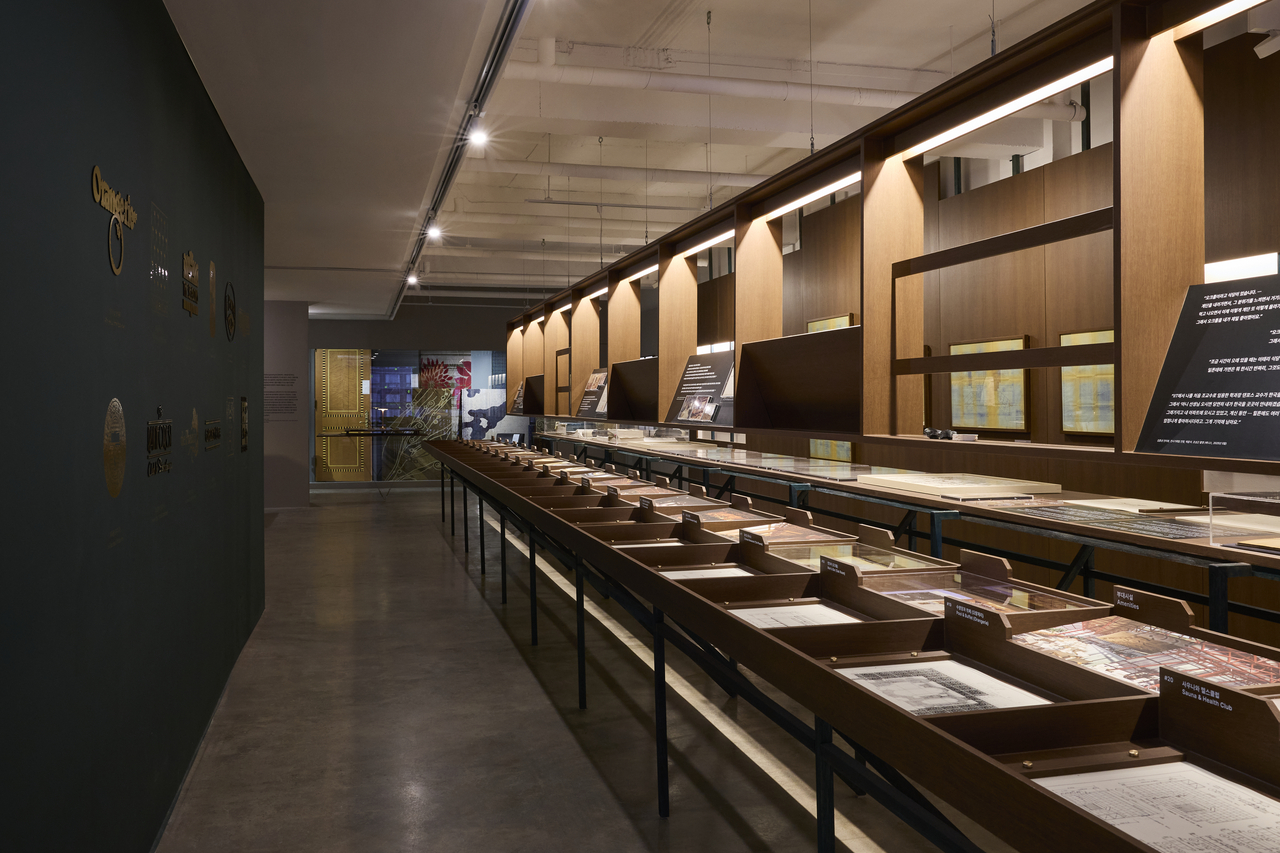
The exhibition also includes works of art created from the debris of the building and digital works in collaboration with artists.
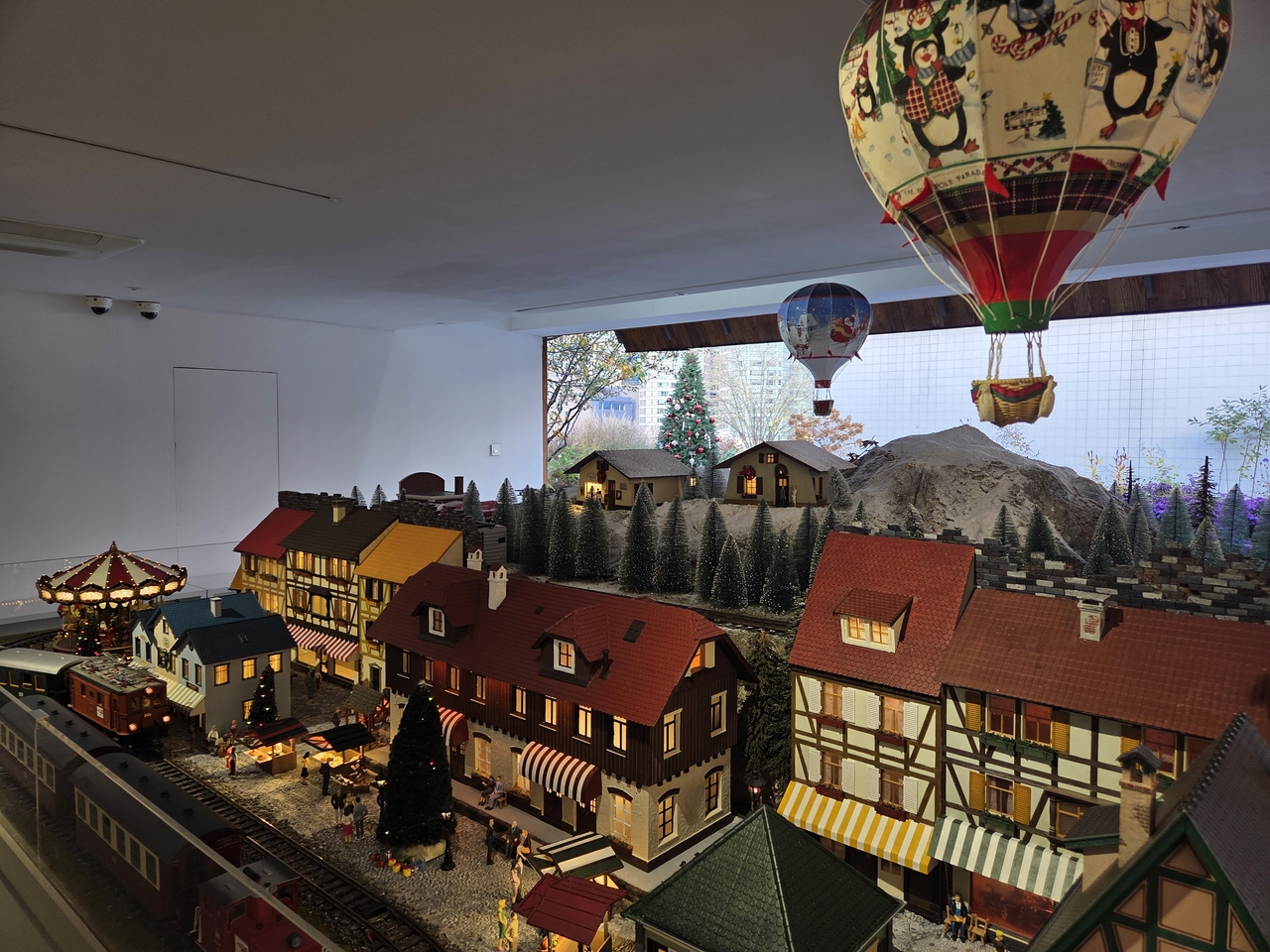
The Christmas charity train — for long an iconic annual event with a miniature train set bearing the logos of sponsors — runs on the rooftop, with some of its elements having been picked up from the hotel after it closed in December 2022.
“The demolition process seems so fast — by the end of the exhibition early next year, the hotel will be gone,” Choi said.
Following the collapse of Daewoo Group, the Hilton Hotel was sold in 1999 to Singapore-based CDL Hotels Korea and renamed the Millennium Hilton Seoul in 2004. The hotel was sold again in 2021 after the pandemic to IGIS Asset Management.
Now, the IOTA Seoul I development project, encompassing Hilton Seoul and neighboring sites, is underway, and will include a 34-story office building and two hotel blocks. The design is led by British architecture firm Foster + Partners and US architecture firm SOM, while Hyundai Engineering and Construction is in charge of construction.
Kim Chung-up and Le Corbusier in photographs
Kim Chung-up was deeply influenced by Le Corbusier, whose architecture is known for its rational structure, sculptural form and humanistic approach to modernism. Kim’s works reveal how he reinterpreted that influence through a Korean lens — blending bold geometries with organic curves.
An exhibition titled “Conversation: Kim Chung-up-Le Corbusier” sheds light on these two major figures of modernist architecture, who first met in Venice in 1952. Kim worked at the Paris office of the Swiss French architect from 1952 to 1955.
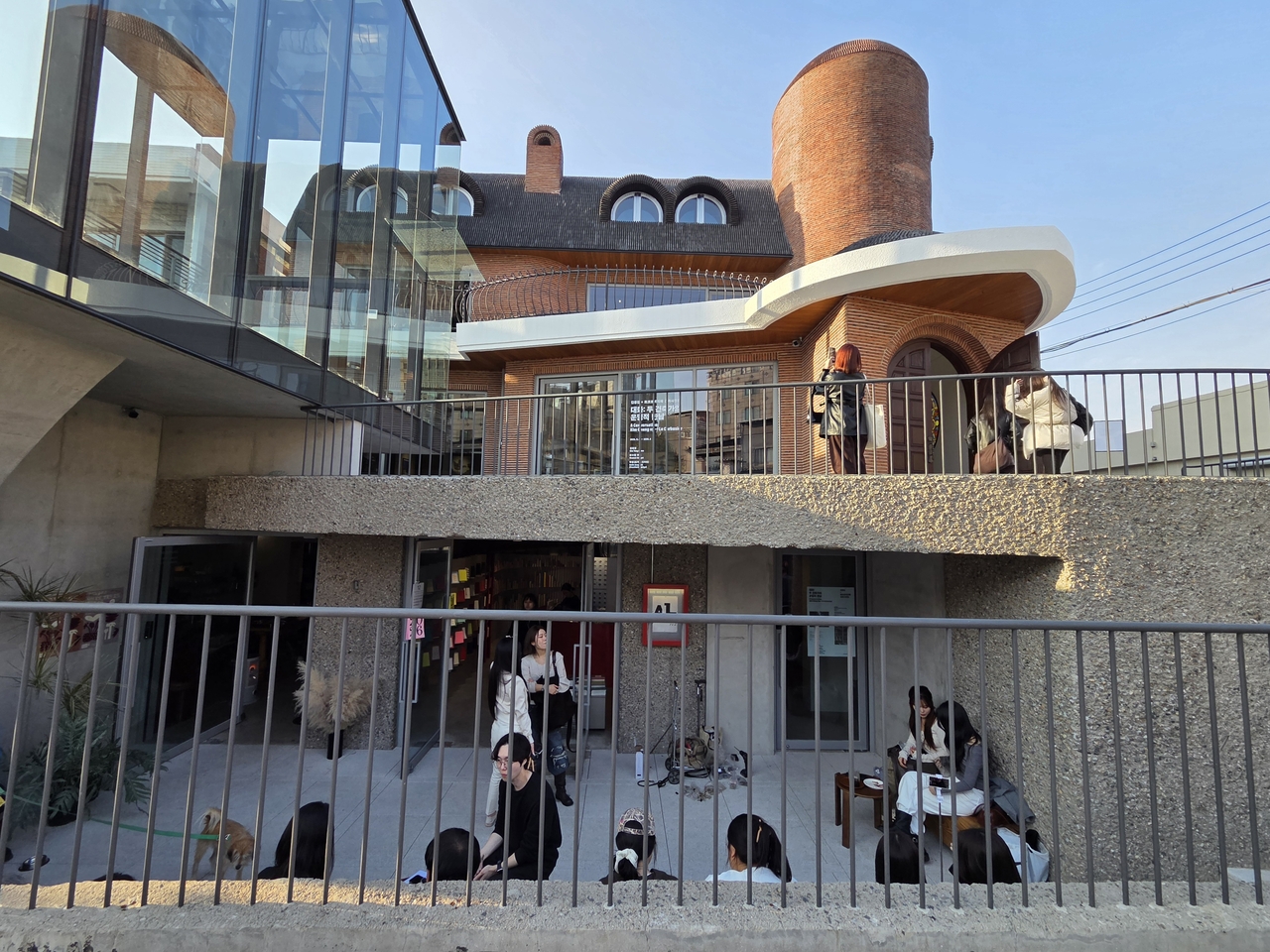
The exhibition opened at what was built as a residential home designed by the late architect. Kim Jong-seok, CEO of Coom Partners, the Seoul-based architectural practice that recently bought the building, has preserved the space, operating it as a multipurpose art space to remember the late architect.
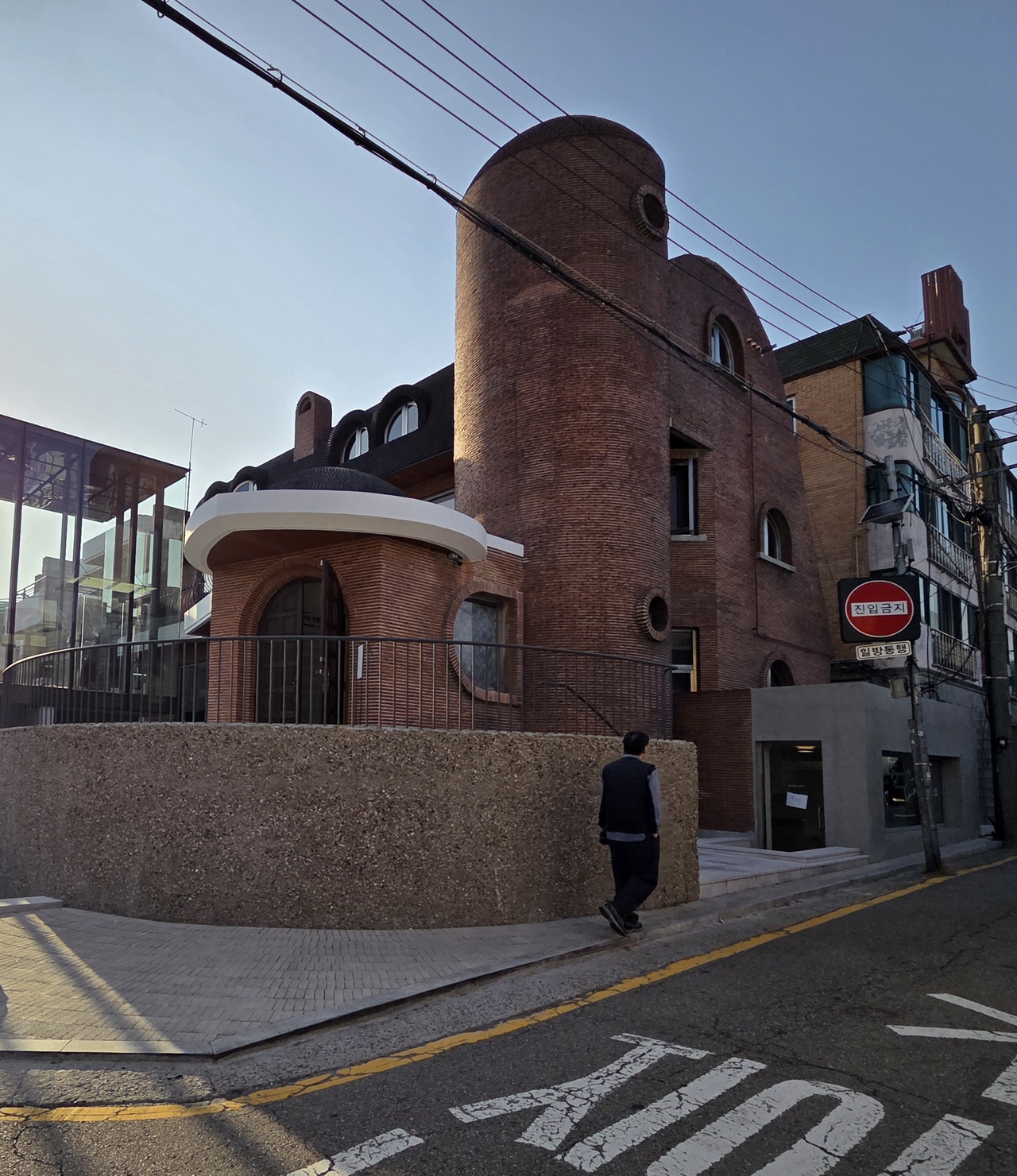
The exhibition, curated by architect Yoon Tae-hoon from Sathy, who recently completed the renovation of the space, traces the dialogue between the two architects, reinterpreted through the eyes of two architecture photographers: Kim Yong-kwan focused on Kim Chung-up’s works, and Manuel Bougot on those of Le Corbusier.
“Bougot documented Le Corbusier’s works in India throughout his career, including the ‘Chandigarh’ project, which Kim Chung-up also joined, assisting at Le Corbusier’s office,” Yoon said.
Alongside these images are those taken by photographer Kim Yong-kwan this year, showing significant works by Kim in Korea featuring sculptural forms influenced by Le Corbusier.
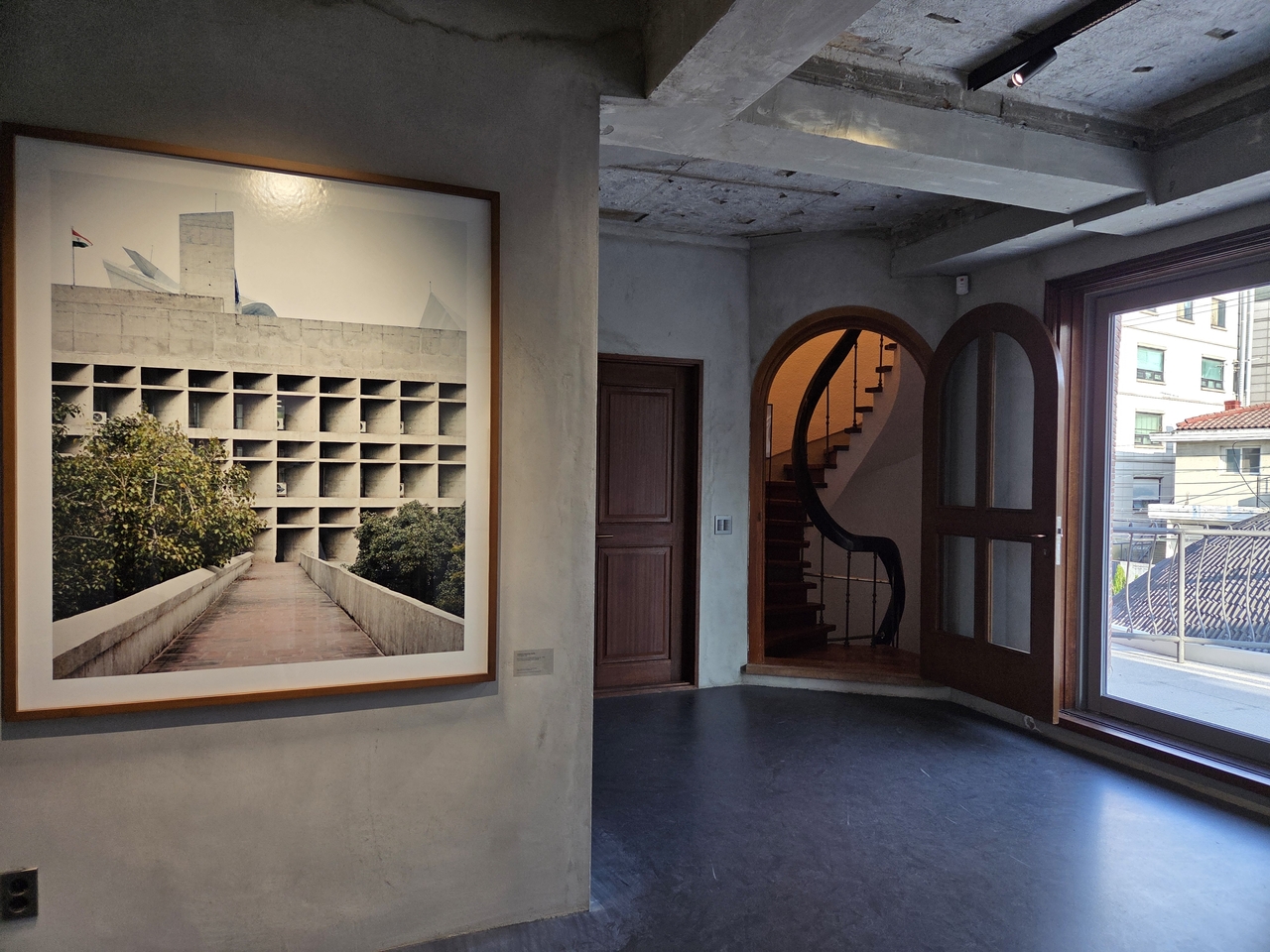
Projects of Kim's shown at the exhibition include a former maternity hospital building in Euljiro, the French Embassy, and Sun Plaza, and a shopping center in Yeongdeungpo-gu, all in Seoul, as well as Pusan National University’s College of Humanities in Busan, Gyeongnam Culture & Art Center in Jinju and Navy official building in Jinhae, both in South Gyeongsang Province.
Yoon noted that opening the newly renovated space with a photo exhibition on Kim Chung-up felt appropriate.
“For me, preserving Kim Chung-up’s legacy has been a major concern. While a few works like the French Embassy remain well-maintained, many others are not, and quality images are scarce,” the architect said.
"That’s why I felt it was meaningful for photographer Kim Yong-kwan to document them anew, making the process itself part of the archive."
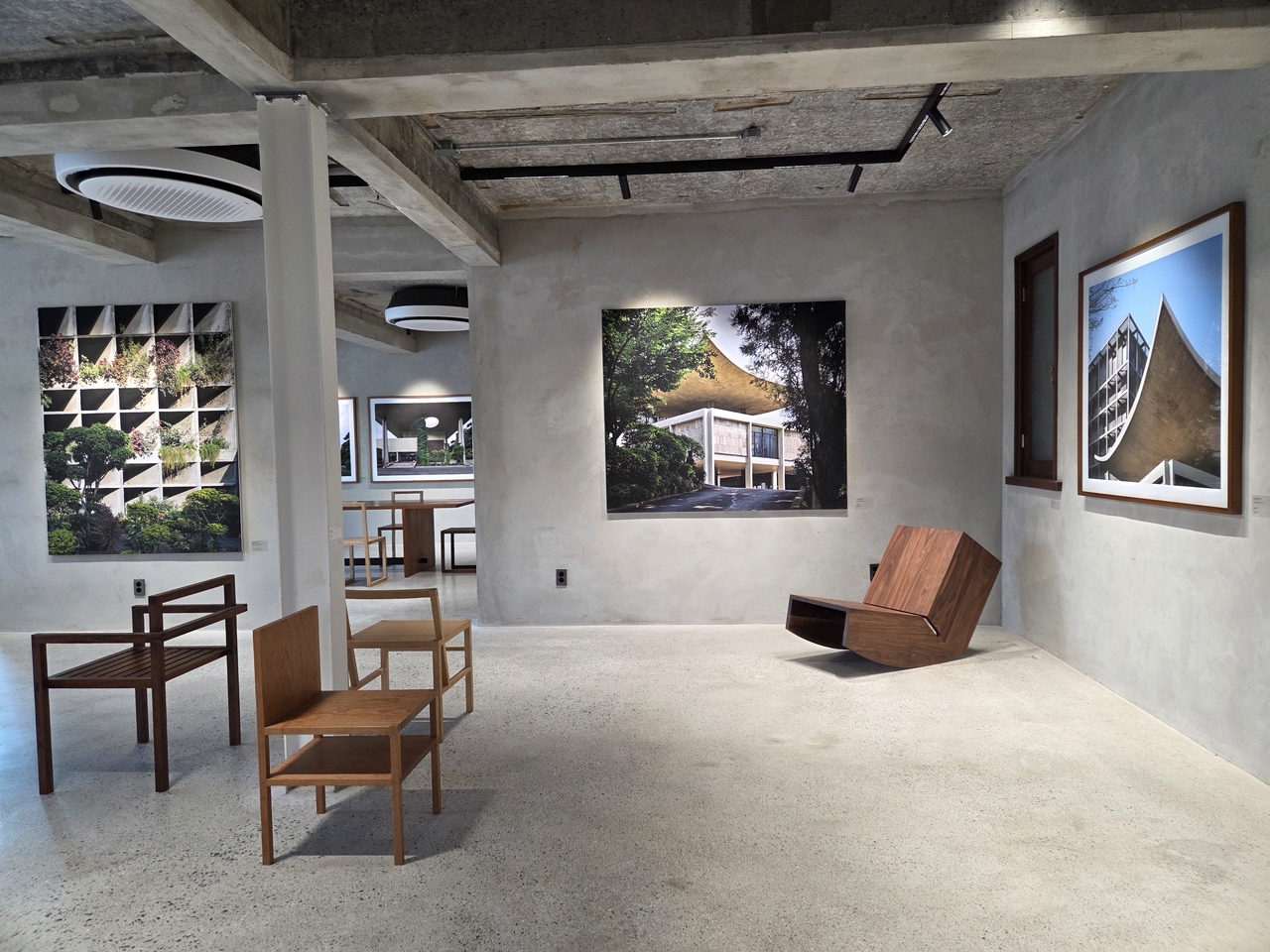
Furniture designer Bahk Jong-sun, who gained international attention for his pieces featured in the film “Parasite,” joins the exhibition with his furniture displayed alongside the architectural photographs.
The top floor of the building will be dedicated to architecture seminars or meetings, according to Coom Partners. The exhibition runs through February 2026.
yunapark@heraldcorp.com