Hyundai Motor Group is growing uneasy, as the release of a joint fact sheet on the outcome of Korea-US tariff negotiations faces delays, leaving its US-bound vehicle exports still subject to a hefty 25 percent duty.
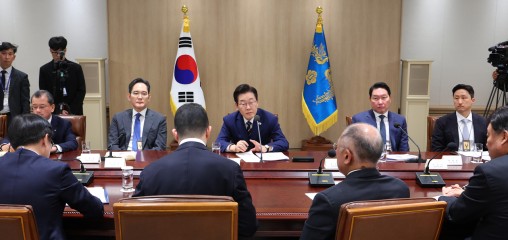
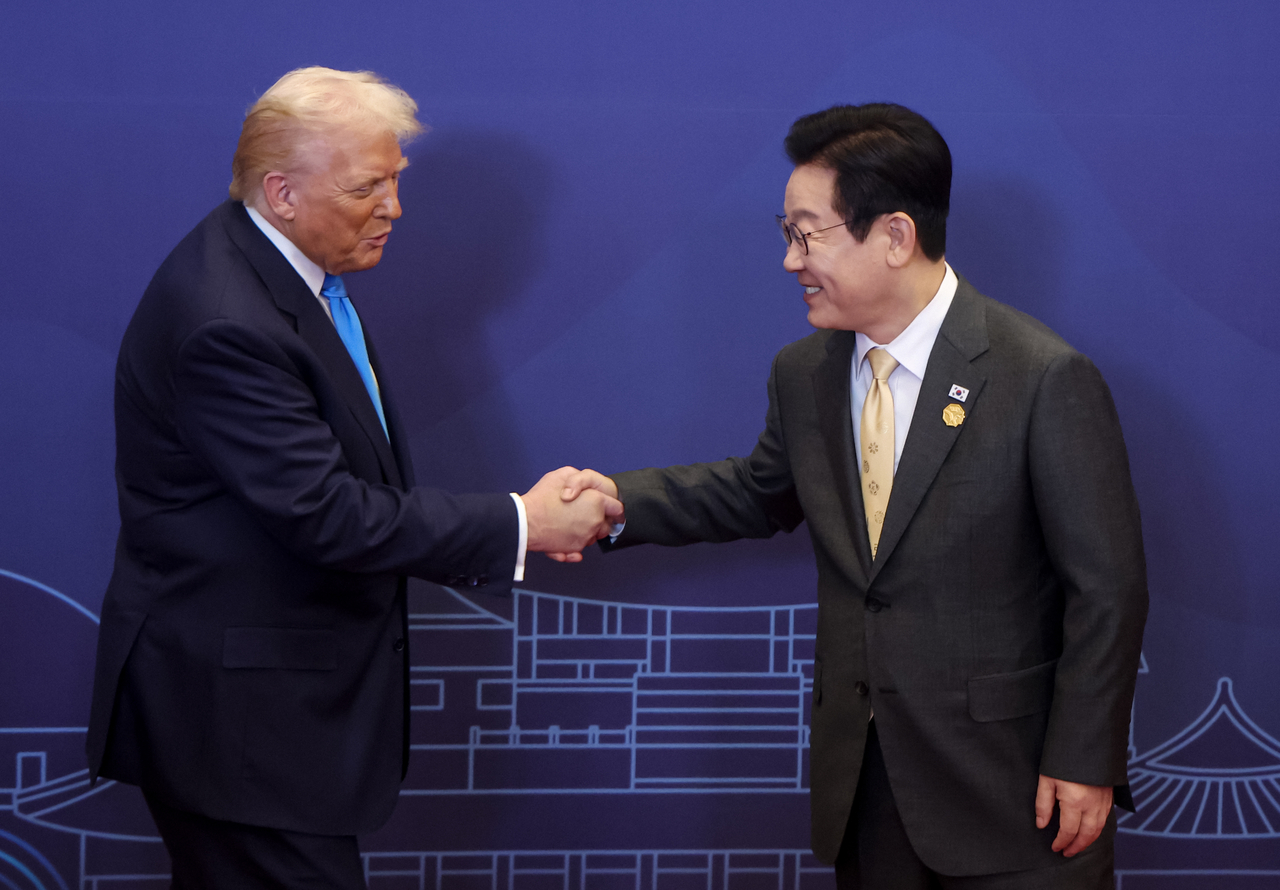
According to industry sources Tuesday, nearly two weeks have passed since Seoul and Washington were expected to release the document shortly after the Oct. 29 meeting between President Lee Jae Myung and US President Donald Trump, held on the sidelines of the Asia-Pacific Economic Cooperation summit in Gyeongju, North Gyeongsang Province.
At the time, Kim Yong-beom, chief presidential secretary for national policy, said the details were “nearly finalized,” adding that the release “would take two to three days.”
Industry watchers say the delay in agreeing on the terms of the trade documents is adding to the tariff burden on the Korean auto giant, whose business relies heavily on exports to the US.
The tariff reduction on Korean automobile exports to the US — from 25 percent to 15 percent — was first tentatively agreed upon in July, but has yet to take effect more than three months later.
For Hyundai Motor, Kia and other Korean automakers, each delay in the tariff reduction translates into mounting costs. Korea shipped 1.43 million vehicles to the US last year and about 1 million from January to September this year — roughly 4,000 per day, all still subject to the steep import duty.
In the third quarter alone, Hyundai Motor and Kia faced tariff expenses of 1.82 trillion won ($1.24 billion) and 1.23 trillion won, respectively. As a result, Hyundai’s operating profit dropped 29.2 percent from a year earlier, while Kia’s plunged 49.2 percent.
Amid the slowdown in completing trade negotiations, concerns are growing that the implementation of the tariff reduction could be pushed out further, rather than being backdated to Nov. 1.
At a Cabinet meeting earlier in the month, Industry Minister Kim Jung-kwan said Seoul would seek to ensure lower tariff rates take effect retroactively from the first day of the month in which the bill concerning the Korea-US investment fund is submitted. If the process proceeds as planned, the US government’s tariff cut on Korean-made vehicles would be applied to Nov. 1, with tariffs already paid after that date refunded.
Kia sought to downplay the impact of the stalled tariff negotiations. During the company’s third-quarter earnings call, Chief Financial Officer Kim Seung-jun said, “Even if the (new tariff) takes effect from Nov. 1, we’ve already paid the 25 percent duty on existing inventory. … The impact in the fourth quarter will be similar to the third, with the full effect (of the revised tariff) expected to unfold next year.”
Although Hyundai Motor Group cannot recover previously paid tariffs, experts note that setting an early effective date for the 15 percent levy will directly influence the automaker’s earnings in the months ahead and throughout next year.
“A retroactive tariff cut would ease the daily burden on thousands of vehicles exported to the US, helping minimize cumulative losses,” said Lee Ho-geun, a car engineering professor at Daeduk University. “Clarifying the effective date would also allow companies to factor cost savings into next year’s overall performance, reducing uncertainty and strengthening investor confidence.”
hyejin2@heraldcorp.com