Building on new R&D capabilities, Korea’s top pet food maker eyes W100b in exports by 2028
Wooriwa, barely seven years old, is making a case that the next wave of K-culture will be pet food.
Spun off from Daehan Feed in 2018 and merged with US brand ANF the following year, the nation’s top pet food maker has since clawed its way to the top of the domestic market — and it is thinking far beyond it.
Wooriwa currently generates revenue in the 100 billion won ($68.8 million) range and aims to triple that to 300 billion won by 2030, under CEO Choi Kwang-yong’s push to scale the business globally.
The company is betting that rising demand for safe, tailored pet diets will help it capture a larger share of the fast-expanding global pet food and supplements market, which is expected to top $200 billion within the next decade.
'Do the basics right'
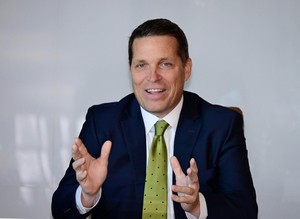
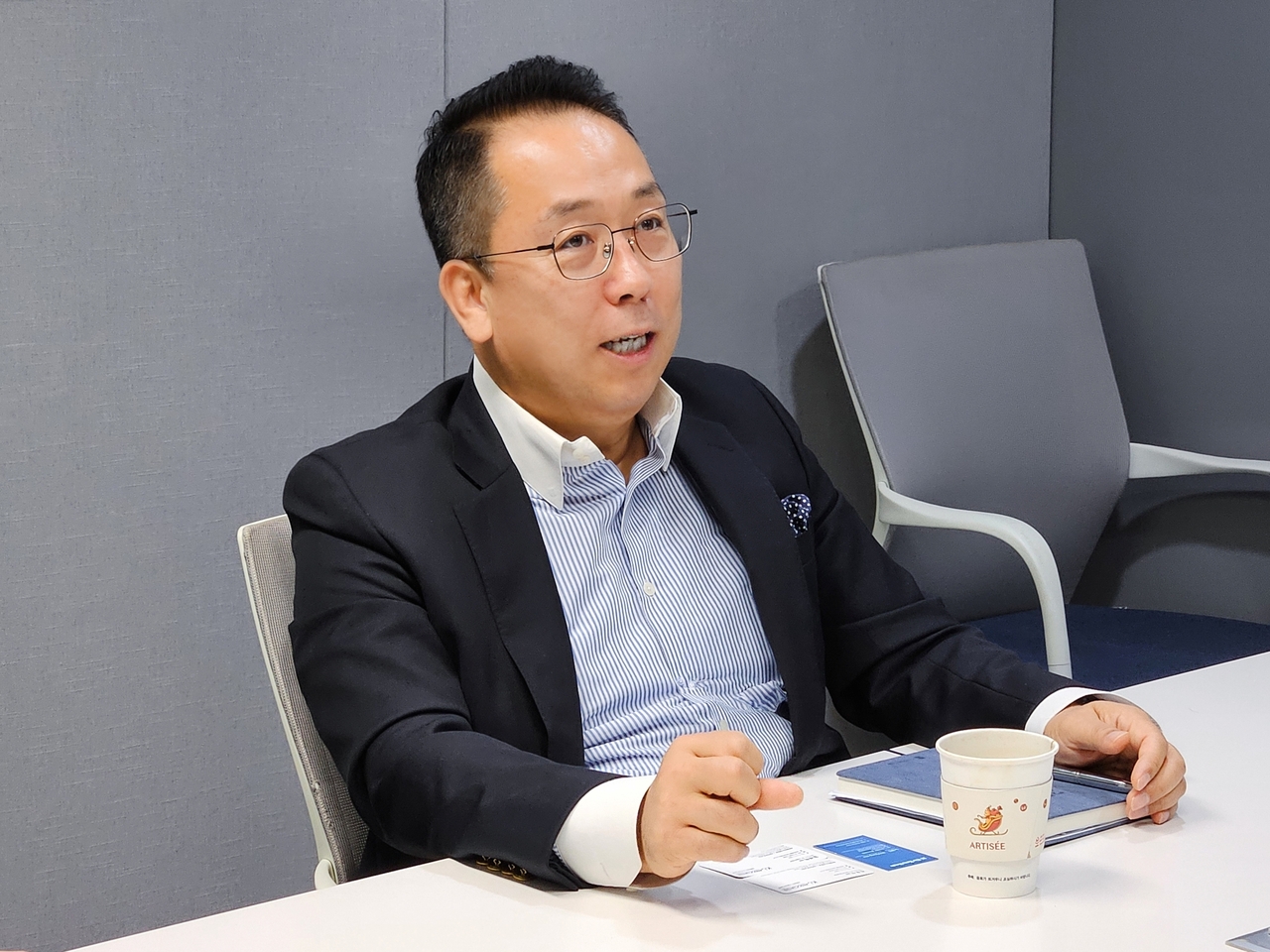
Bringing two decades of experience from multinational food companies, Choi, now four years into his role as CEO, applies a guiding philosophy that begins with a single word: basics.
“The basics of manufacturing start with the product,” he said. “In pet food, that means safety first and nutritional balance.”
That creed runs deep through Wooriwa’s DNA, embodied in its manufacturing facility in Eumseong-gun, North Chungcheong Province — the largest of its kind in Korea — aptly called a “kitchen."
The facility embodies Choi’s belief that pet food, like any proper meal, should be made with care and intention. “We’re not simply operating a plant. We’re cooking something living beings will eat,” he said.
The fully integrated smart factory, ensuring transparency from inventory control to real-time monitoring, is beginning to reshape standards at home.
Although imported brands still define what many see as premium, Choi has begun to notice signs of change as more Korean pet owners are willing to pay for food that delivers safety, transparency and nutrition — no matter where it is made.
“We want people to see that there are competitive companies in Korea, too,” Choi said. “Our job is to provide consumers with accurate information and earn their trust. That, ultimately, is Wooriwa’s responsibility.”
K-pet food, far and wide
Wooriwa’s focus on quality is just as rigorous abroad, even in the face of country-specific regulations and lingering stereotypes about Korea.
“I’m confident about going overseas because manufacturing is about using good ingredients, good facilities and achieving nutritional balance,” Choi said. “We may be a latecomer, but that doesn’t mean we’re lacking. I believe we’re fully competitive.”
Choi recalled that during a buyer meeting, someone once asked if Koreans still eat dogs.
“I told them the practice has virtually disappeared, and that Korea’s pet culture today is among the fastest-growing in Asia,” he said. “Once visitors see our facilities, the cleanliness and the standards, that conversation ends right there.”
The company currently exports to seven Asian markets — including Vietnam, Thailand, Malaysia and Japan — under brands such as Probest, ANF, Iskhan and V.O.M., each designed for different dietary needs.
With overseas sales surpassing $6 million for two consecutive years, Wooriwa was recognized in 2024 as the sole pet food recipient of the Excellence Award at the K-Food+ Export Awards by the Ministry of Agriculture, Food and Rural Affairs.
“Our main export markets are in Southeast Asia, with Vietnam and Taiwan, in particular, growing fast,” he said, explaining that K-pop and K-dramas have created a cultural halo that helps new Korean brands break into the region.
“K-culture opened doors,” Choi remarked. “But we win by showing our process. Once buyers see our kitchen, the conversation changes.”
Wooriwa plans to reach 100 billion won in exports by 2028, with launches in Mexico and Russia and expansion across the Americas through its US arm. He describes the roadmap as an “east-to-west, south-to-north” strategy — moving from Asia to the Middle East, then into Western Europe, the world’s most developed pet-food market.
Going forward, Choi’s fixation on fundamentals extends to research and development, as exemplified in the company’s new R&D center in Magok-dong, Seoul, aimed at streamlining operations and accelerating product innovation.
“We used to outsource much of our research and development,” he said. “But we realized the need to get hands-on, handle things ourselves, analyze directly and keep experimenting."
minmin@heraldcorp.com