
'asses.masses' to have Asian premiere in Seoul this weekend
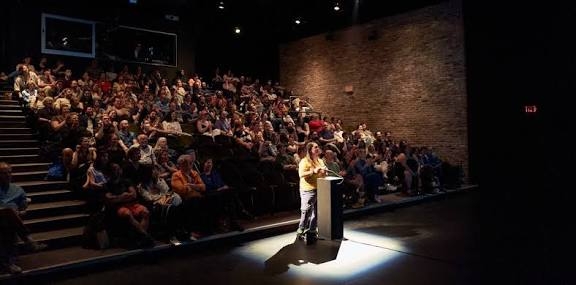
When the audience files into SFAC Theater Quad in Seoul's Daehangno district this weekend, they won’t just be watching a show — they’ll be playing a video game together.
"asses.masses" is a seven-hour-plus video game told over 10 episodes. Designed to be played from beginning to end in a live theater setting, it invites the audience to take turns (or not) holding a single game controller. The story follows a herd of donkeys who have lost their jobs to machines and are trying to rise up and win them back. Between its four intermissions, food is served.
Created by Patrick Blenkharn and Milton Lim, the show premiered in Argentina in 2023 and has since toured internationally. Its Seoul run, part of the 2025 Seoul Performing Arts Festival, marks its Asian premiere before moving on to Sydney, Los Angeles and Boston next year.
Co-creators described the work as “a big, fun event,” but also as a space where playful, philosophical and political discussions take place, and where people become friends from being strangers.
“We should say that it doesn’t feel as long as it sounds. It really doesn’t. Time flies when you’re having fun, and it really is true,” said Blenkharn speaking to The Korea Herald on Thursday. “We talked a lot about how it’s very normal for us to binge-watch TV shows and how most video games take many, many hours. Then why not theater?”
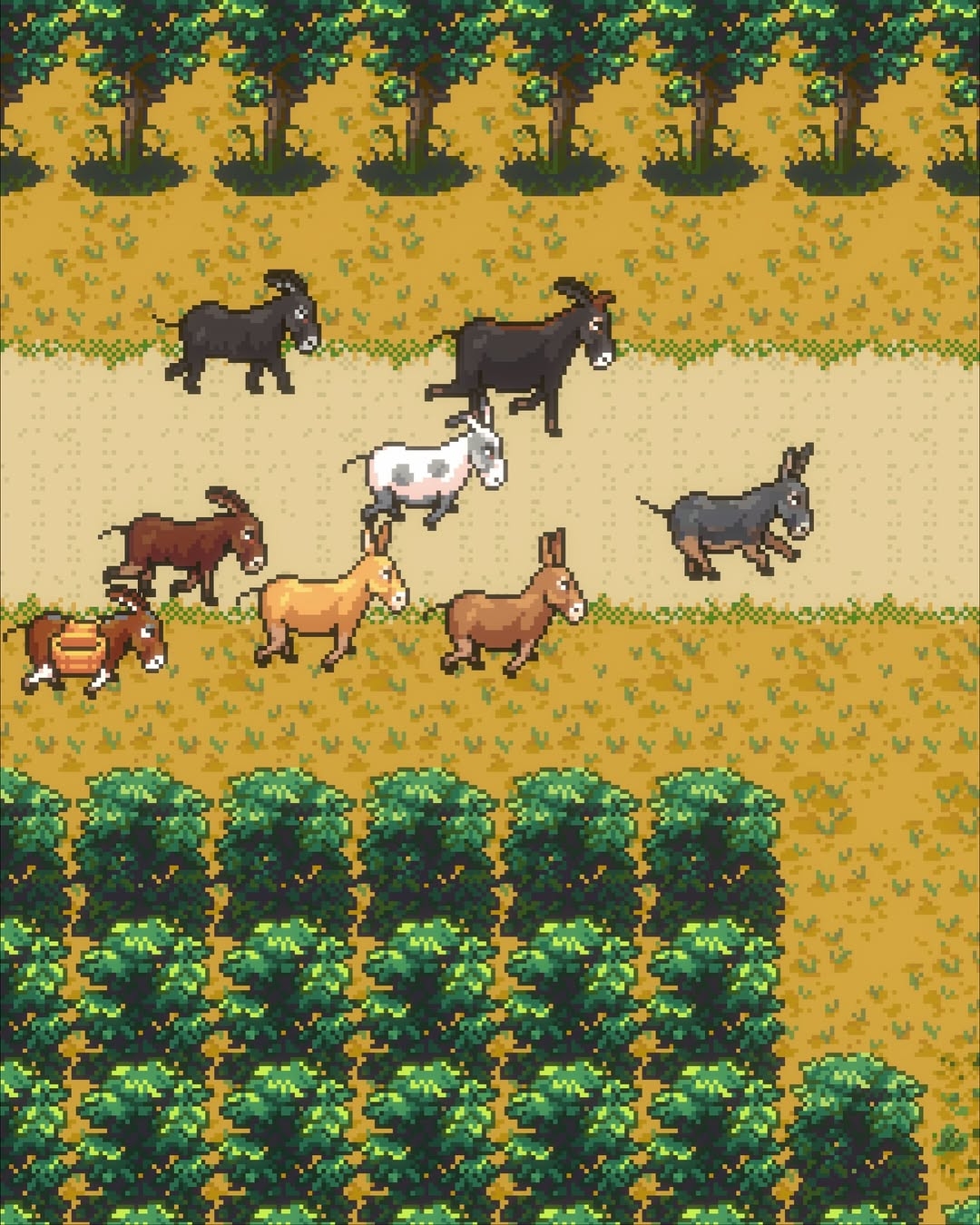
The two first created a 20- to 25-minute prototype before realizing the story they wanted to tell needed several more episodes. And to build emotional relationships with characters and for audiences to really care about them, they needed more time.
"And at the same time, we realized that the more time you spend playing video games with your friends the better friends you become," said Lim.
With just one controller, "asses.masses" shifts between 2D and 3D game genres such as RPGs, side-scrollers, stealth missions, rhythm games and even old-school platformers reminiscent of Super Mario.
But beyond its playful surface, the game is a pointed allegory about labor and democracy. The audience negotiates who plays, who leads and who steps down to let others take over. What emerges is a living conversation about leadership and democracy.
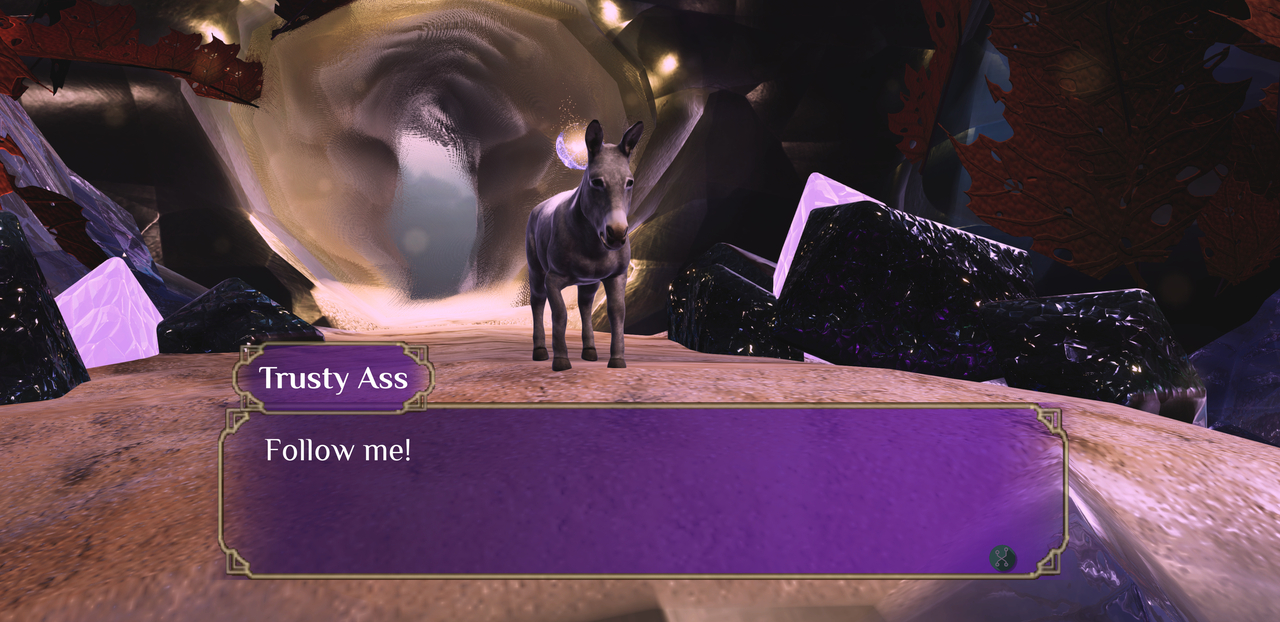
"Donkeys had a very integral position within the history of building civilizations over the last thousands years. We were interested in the question of where and how a donkey does work today and how they have largely been pushed outside of cities," said Blenkharn.
"We should say that a lot of these questions feel very potent right now. Being replaced by machines and technologies are very old stories," added Lim.
Within the show, there are no performers but a video game with the audience delegated to do the labor of the performers. This designed format intersects with the participants' understanding of the things happening outside of the cinema, of jobs being at risk or replaced, Lim explained.
“Which jobs should be replaced, which ones shouldn't be replaced, how does everyone feel about it, how do we all survive together and how do we negotiate all of these changes as we go on?"
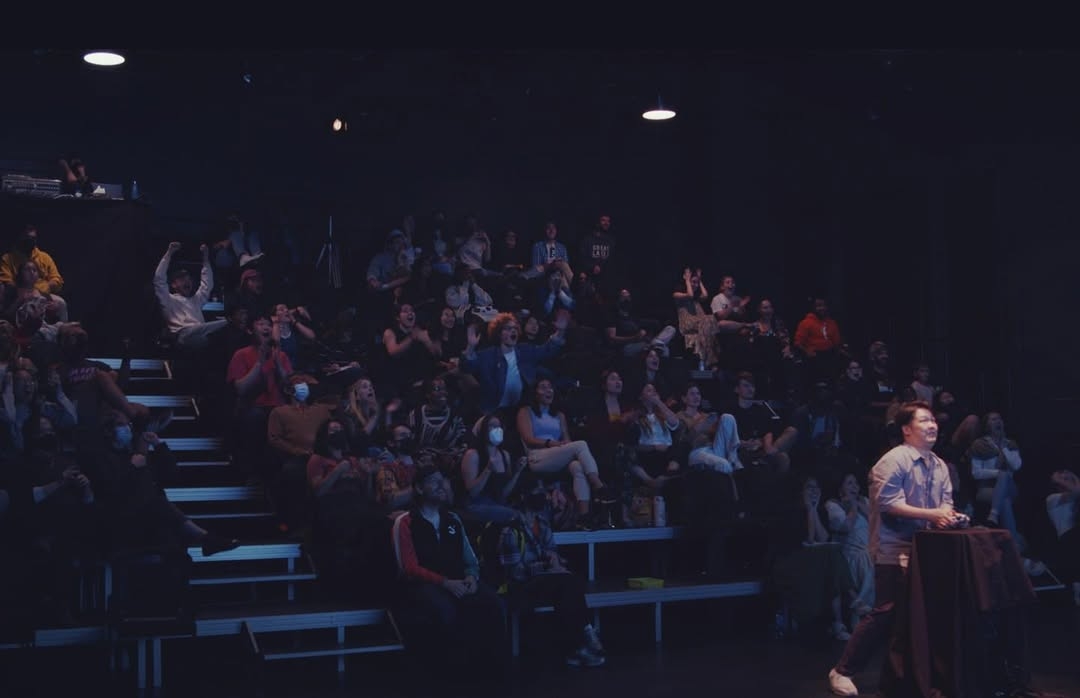
Blenkharn noted that audience dynamics often mirror politics.
“Sometimes we have great leaders for two or three episodes, and then maybe not-so-great ones,” he said. “Maybe they don’t listen, or maybe they’re just really bad at the game. Or they’re great at the game but not great listeners. Either way, it all moves the story forward.”
Across its many tour stops, the creators have noticed cultural nuances but also shared responses.
“Generally, as people play the game, there are more similarities than differences,” Lim said. “We live in a globalized world, and the show is usually performed in countries shaped by a capitalist, neoliberal labor mindset," said Blenkharn.
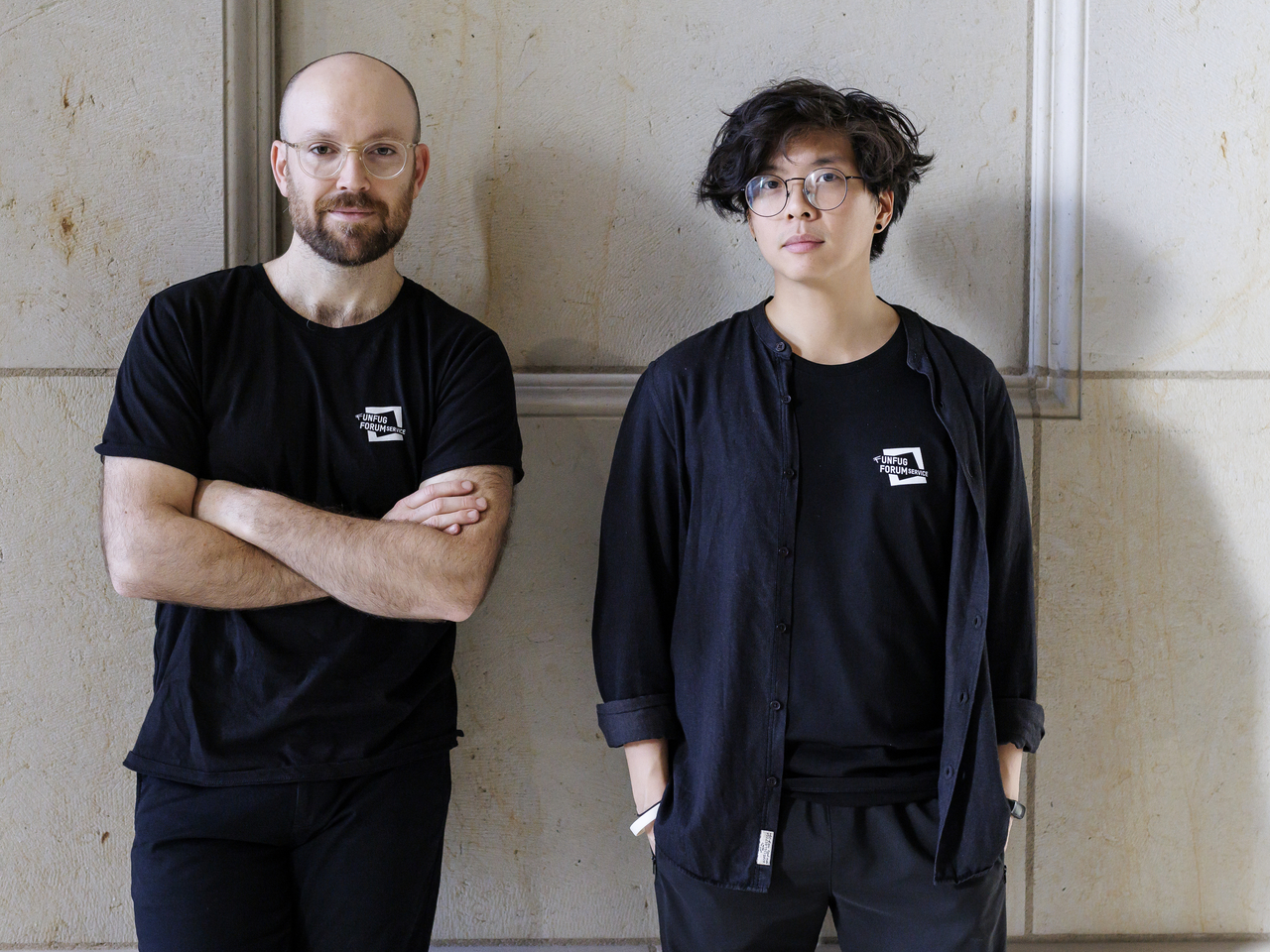
Lim said that he’s particularly curious about Korean audiences.
“Every time I’ve played a massive multiplayer online game, the Korean servers are the most serious, intense and skilled,” he said. “Korean e-Sports has really blossomed and it's really taken seriously on a global level, like, everyone understands Korean e-sports are the strongest," said Lim.
Blenkharn added, “Korea has, in recent decades, been a leader in peaceful revolution and protest, demonstrating ways to the world the other ways of voicing dissent."
As Lim put it, co-creators hoped audiences who come with openness, ready to play, laugh and listen, and without heavy expectations of what counts as theater or a video game.
“It’s not just a game, and not just theater,” Lim said. “The most rewarding moments for us have been when audiences come in open to discovering the possibilities of that space in between.”
hwangdh@heraldcorp.com