Korea’s three mid-sized automakers are facing a steep fall in domestic sales, with their market share shrinking to just above 7 percent this year. The downturn, driven by aging lineups, is prompting concerns over the weakening of the country's auto industry base.
According to market tracker Carisyou, Renault Korea, KG Mobility and Chevrolet all posted double-digit year-on-year declines in domestic sales in October, falling 29.8 percent, 23.1 percent and 45.2 percent, respectively.
The decline is even steeper compared with the overall Korean passenger car market, which fell 13.8 percent amid an economic slowdown. Between January and October, the three automakers’ combined sales of 8,224 units account for just 7.2 percent of the domestic market, down from 7.6 percent last year.
The decline has been sharp and sustained. At their peak, these three companies, which historically ranked just behind Hyundai Motor and Kia, sold over 300,000 units annually as recently as 2017, capturing more than 20 percent of the market.
Analysts attribute the current downturn to a lack of new models and a slow adoption of diverse powertrains.
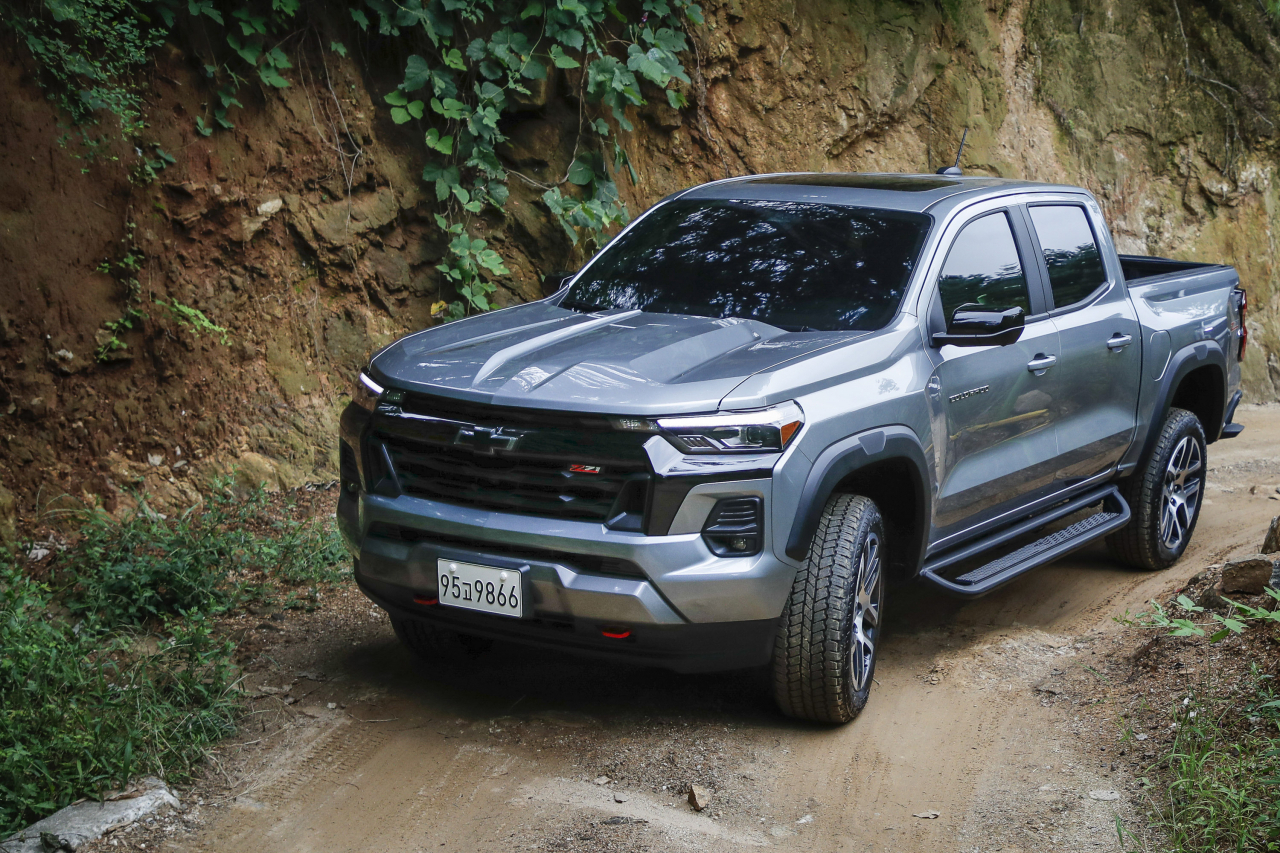
Chevrolet currently offers only three models in Korea, all internal combustion vehicles. Two SUVs were launched in 2020 and 2023. The Colorado pickup debuted in 2024 but sold just 84 units between January and September.
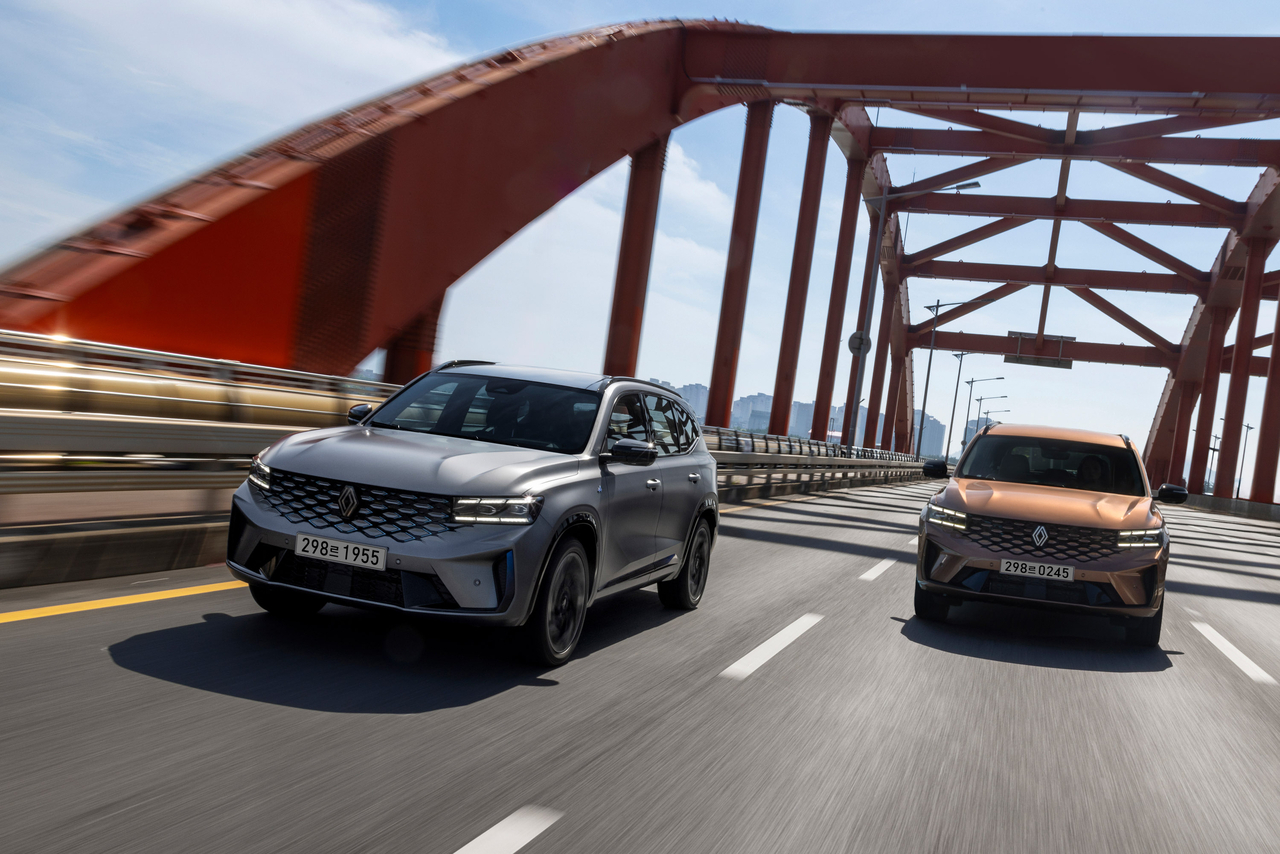
Renault Korea and KG Mobility are rushing to introduce hybrid and electric models.
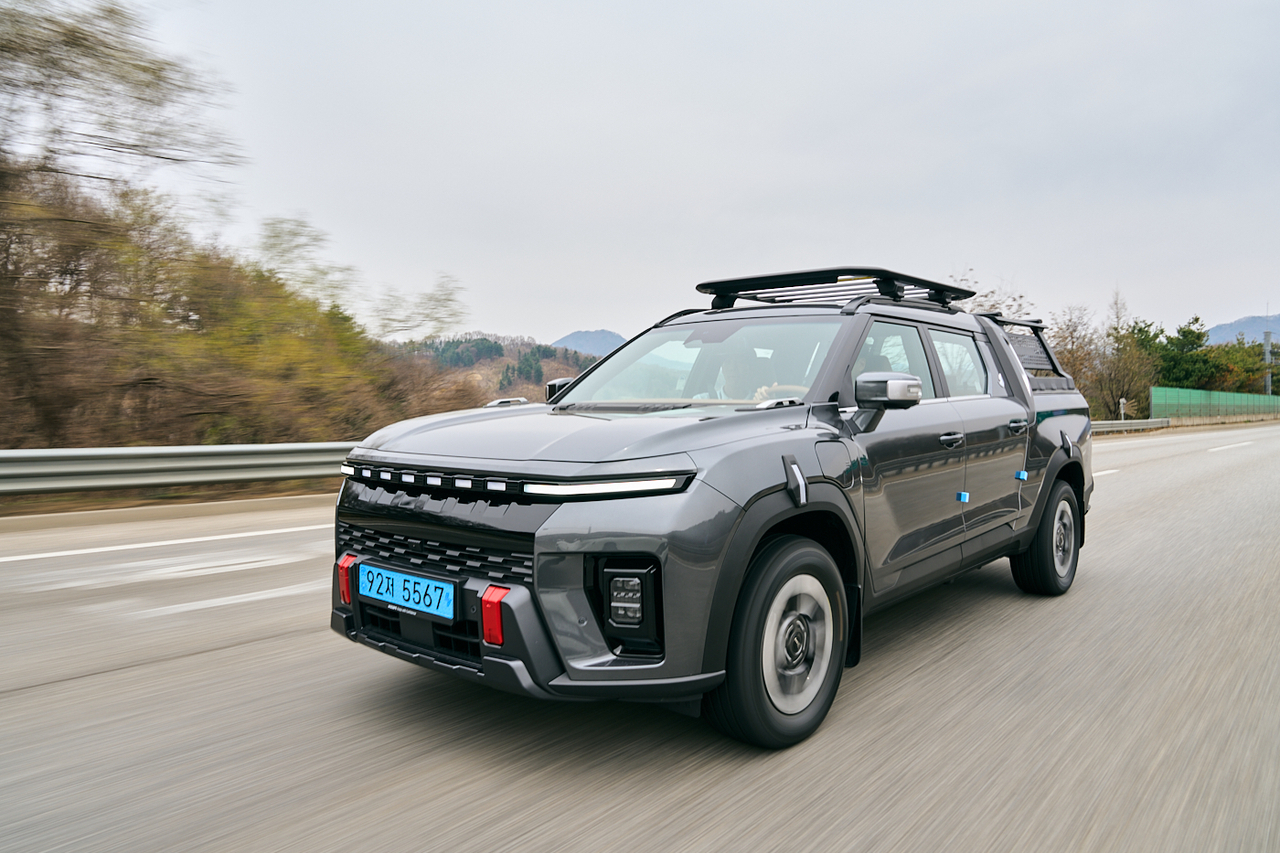
Renault Korea’s Grand Koleos hybrid sport utility vehicle has sold over 50,000 units since its launch last year, making it a popular choice among compact SUV buyers. KG Mobility launched the Musso EV pickup and announced plans to roll out seven new energy vehicles by 2030.
However, these models have not been enough to reverse the overall domestic slowdown. KG Mobility’s Musso EV, for example, sold more units abroad than domestically, with 783 exported and 581 sold in Korea.
The three domestic producers also face strong competition from imported brands offering diverse powertrains. BMW, Mercedes-Benz and Tesla, which only sells EVs, each sold over 4,000 units in October, surpassing the middle three.
“Each company faces unique challenges. For General Motors Korea, manufacturer of Chevrolet, suspicions of a potential withdrawal from Korea have further hurt the brand and affected sales,” said Kim Pil-soo, a professor of automotive engineering at Daelim University.
“KG Mobility also needs to develop one or two entirely new models rather than relying on variations of existing ones, backed by funding of at least 500 billion to 1 trillion won ($343 million to $687 million).”
Experts argue that the government's role is crucial for the revival of these automakers, as their domestic supply chains are significant to local manufacturing and their presence keeps the market competitive.
“Even for Hyundai Motor and Kia, a competitive domestic market is essential, as Korea serves as a testbed for their models. Stronger competitors are needed here,” said an industry source.
“Government support should go beyond funding. It should also facilitate dialogue between companies and unions to prevent conflicts that could push companies like GM to move their bases overseas,” said Kim.
forestjs@heraldcorp.com