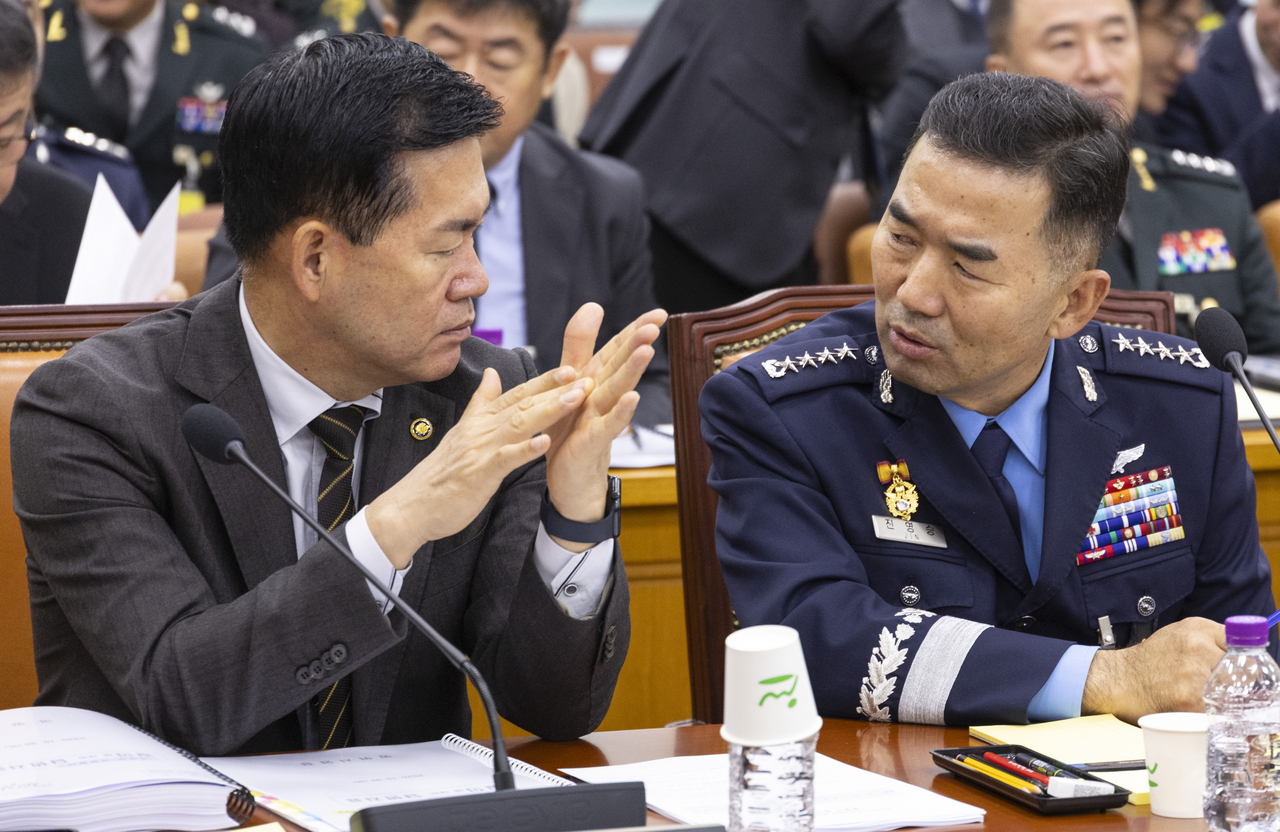
South Korea’s top military leadership is facing an unprecedented reshuffle, as Joint Chiefs of Staff Chair Gen. Jin Yong-sung has ordered the large-scale replacement of JCS senior officers in the aftermath of the Dec. 3 martial law crisis.
According to military sources earlier this week, Gen. Jin recently issued internal instructions calling for a “comprehensive personnel overhaul” within the JCS. The directive targets most generals currently serving at the headquarters, as well as colonels and lieutenant colonels who have served in their posts for more than two years.
As a result, a majority of the roughly 40 generals assigned to the JCS are expected to be transferred to the Defense Ministry or individual service branches, and new commanders from outside the organization will be brought in. The JCS currently includes about 100 colonels and 500 lieutenant colonels, half of whom are believed to have served more than two years and could be subject to reassignment.
Mid-ranking officers who have already received promotions are expected to be moved by the end of November, while colonels and generals could be reassigned as early as December or in January, sources said. However, the exact scale of the reshuffle has yet to be finalized.
A JCS official, requesting anonymity, said, “We are reviewing plans for personnel reform, but no final decisions have been made.”
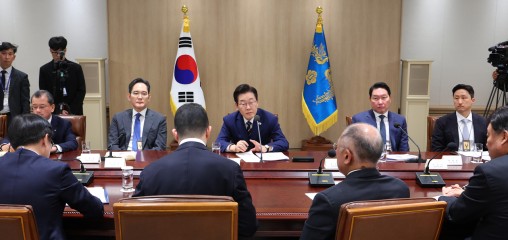
The overhaul is seen as part of a broader effort by the Lee Jae Myung administration to renew public trust in the military and move beyond the martial law crisis that unsettled the armed forces.
In a previous round of high-level appointments in early September — the first under the Lee government — all seven serving four-star generals who held top positions during the martial law period were replaced. During a parliamentary audit on Oct. 14, Gen. Jin vowed to “rebuild the military as a people’s army that upholds constitutional values.”
The sweeping reshuffle also comes as the military faces a backlog of pending promotions and reassignments, delayed earlier this year due to the political transition and the aftermath of former President Yoon Suk Yeol's failed martial law declaration.
However, defense analysts warn that replacing such a large portion of JCS leadership at once could temporarily disrupt command stability and readiness, particularly regarding North Korea-related operations and contingency planning.
While the JCS can propose personnel changes, the final decision rests with the Defense Ministry, which holds appointment authority over general officers. The individual service branches — the Army, Navy and Air Force — hold similar authority over field-grade officers.
“Complete replacement is practically impossible,” another JCS official said. “Some posts are unique to a single specialty, and each general’s position cannot simply be swapped. Any reshuffle will require close coordination with the Defense Ministry and respective service headquarters.”
mkjung@heraldcorp.com