Japanese architect Riken Yamamoto, winner of the Pritzker Architecture Prize in 2024, warns that Seoul's future is in jeopardy if its record-low birth rate persists — a crisis he believes is deeply tied to how the city conceives of and inhabits housing.
“Many of the fundamental problems stem from housing. Because housing, at its core, is about how we choose to live,” Yamamoto said during an interview with a group of reporters at Seoul City Hall this September.
The Japanese architect, who has completed a number of projects in Korea such as Gangnam Housing and Pangyo Housing complexes, has challenged the traditional divide between public and private space, showing the value in creating communities for social connection.
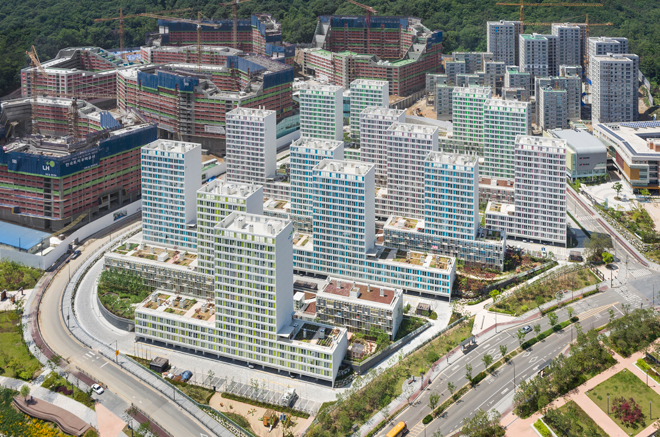
Yamamoto said he visited South Korea regularly and is impressed by how the capital city is becoming more sophisticated, referring to Seoul as the “most successful city in the world.”
The architect said the city, however, embodies a paradox as one of the most modernized cities in the world faces a fast decline in population and rapid aging.
“I feel that greater problems lie ahead — and deep down, almost everyone living in Seoul already knows it,” he said.
According to the latest OECD reports, South Korea has the lowest fertility rate among OECD countries, with the rate falling to 0.72 births per woman in 2023.
Yamamoto sees the current housing system dominant across the city as a failure and emphasized that time is running out to find a way of living and a new model of housing, adding that Seoul could be the place to redefine it.
“If we keep creating housing that fosters stronger communities over the next 10 years, we will start to see the results a decade from now," he said.
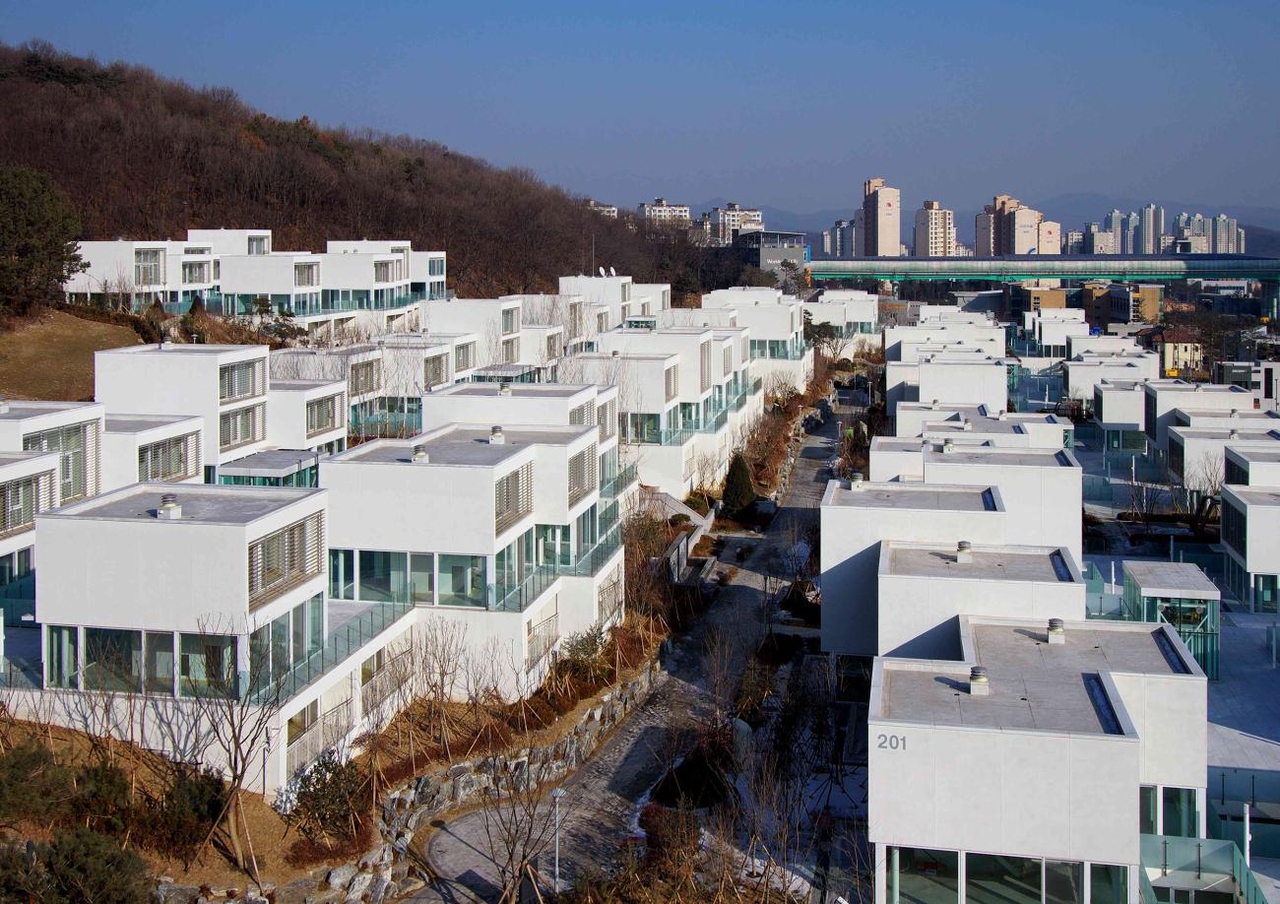
Yamamoto attributed the declining birth rate to the lack of environments that support raising children, stressing that if architects can design spaces where parents in cities like Seoul can truly feel the joy of having and raising children, birth rates will naturally rise.
Such housing, he explained, should provide not only a good home environment but also a strong sense of community -- one where mothers can help one another and share the experience of raising children together.
“If the low birth rate is not addressed, the number of foreign workers will inevitably increase, and that will bring about another set of problems,” he said. “That could lead to conflicts within the city and the collapse of its communities.”
Current zoning laws that restrict commercial use in residential areas make it difficult to implement the architect’s ideal housing model, which integrates communal and small-scale economic activities. While some of his projects in Korea embody this vision, the concept has yet to be fully achieved under Seoul’s regulatory and cultural constraints.
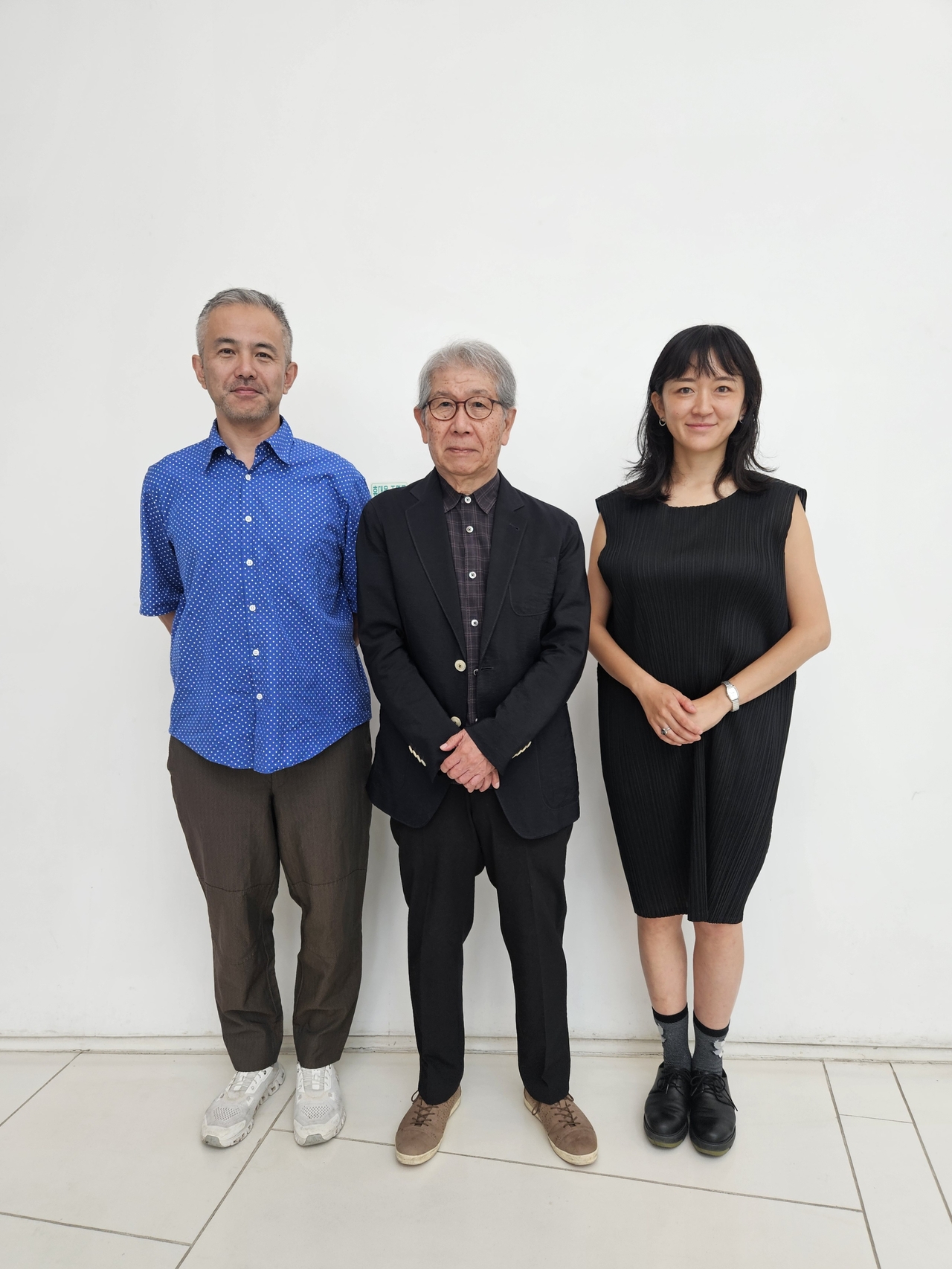
Yamamoto met Seoul Mayor Oh Se-hoon on Sept. 10 to discuss future housing for a low-birth-rate society. He also gave a presentation on the direction of collective housing — along with Japanese architect Toshiharu Naka and Korean-Japanese architect Chong Ae-hyang — at a seminar organized by Park Chang-hyun, CEO of a round architects, and Brique, a Seoul-based media startup that specializes in lifestyle and architecture.
Yamamoto said he feels that Korean architects are aware of the pressing issues in society, and also that they have the ability to address those challenges through architecture.
“I believe architects play the most crucial role in shaping the cities and homes of the future,” he said. “That’s the sense of responsibility an architect must carry.”
Yamamoto is working on a project in Venezuela where 60 percent of residents live in informal settlements, he said, aiming to envision how the country can be transformed into a more livable and beautiful place.
yunapark@heraldcorp.com