Company deepens US ties with new mineral projects, including germanium, gallium supply
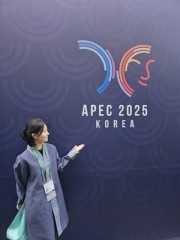
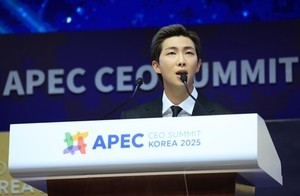
Korea Zinc, South Korea’s sole producer of strategic minerals, is drawing attention at the Asia-Pacific Economic Cooperation Summit this week as Seoul and Washington work to strengthen cooperation on mineral supply chains amid China’s export restrictions.
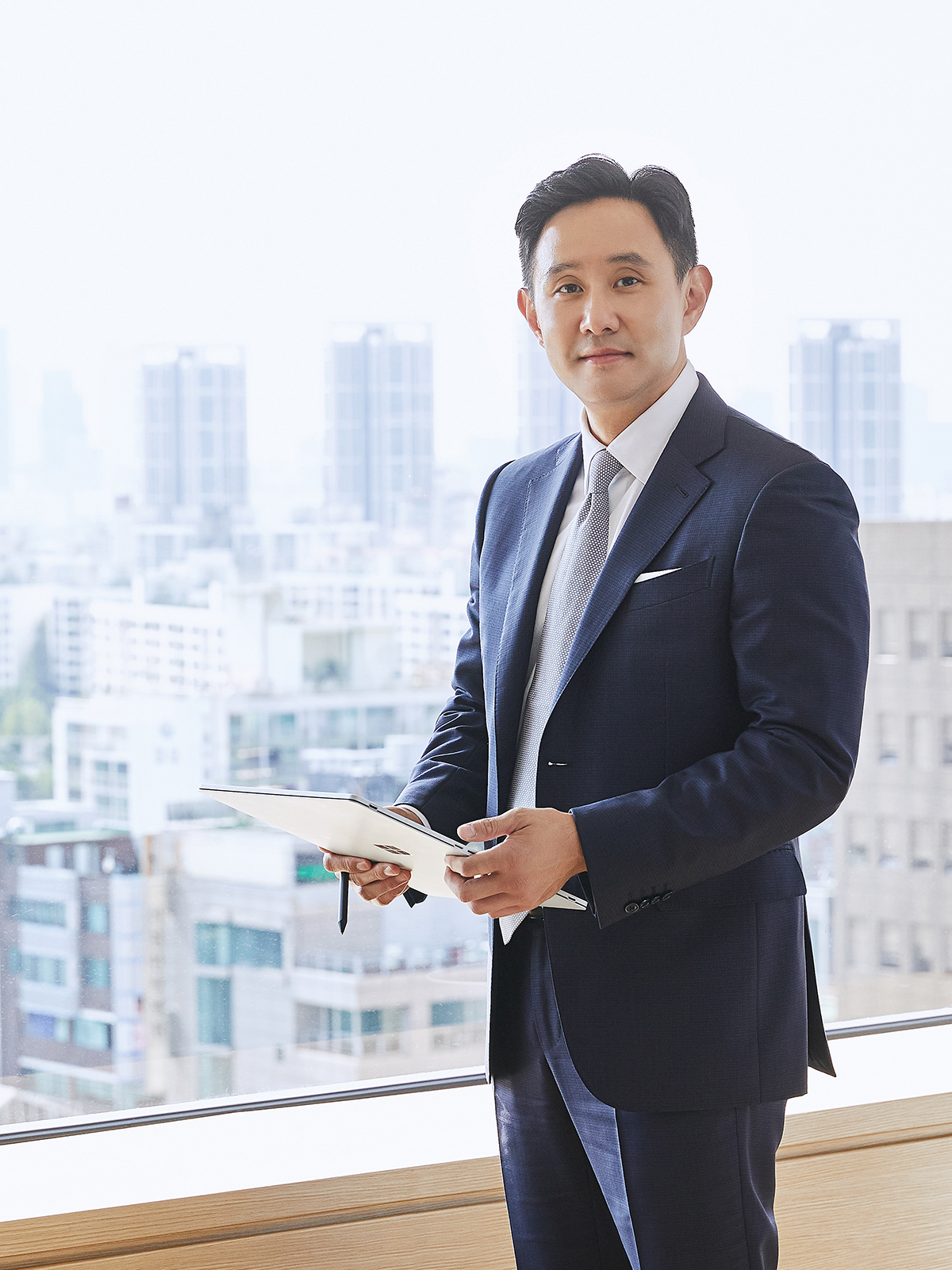
The company said Thursday that Chairman Choi Yun-birm attended the US-Korea Business Roundtable in Gyeongju on Wednesday, hosted by US Commerce Secretary Howard Lutnick, to discuss ways to enhance bilateral collaboration in securing critical minerals.
The roundtable brought together senior government officials and major corporate leaders, including Industry Minister Kim Jung-kwan, Samsung Electronics Chairman Lee Jae-yong, HD Hyundai Chairman Chung Ki-sun, Hanwha Vice Chairman Kim Dong-kwan, and Amazon Web Services CEO Matt Garman. Discussions focused on cooperation in the strategic minerals, energy, semiconductors and defense industries.
“As China’s influence over strategic minerals grows, supply chain stability has become a shared challenge,” Choi said. “Korea Zinc has built an independent nonferrous metal supply network over the past five decades and is ready to contribute to broader regional cooperation.”
Industry observers noted that while Washington and Beijing recently agreed to postpone China’s new export restrictions on rare earths and other minerals for one year in exchange for a pause on additional US tariffs, concerns about long-term supply stability persist.
“China’s dominance across the strategic mineral value chain remains largely intact,” one industry source said. “Companies like Korea Zinc are likely to play a larger role in diversification efforts among allied economies.”
Korea Zinc has been expanding its international partnerships. In August, the company signed a memorandum of understanding with Lockheed Martin to supply germanium, a key material used in defense applications. It also announced plans to establish gallium production facilities, part of a strategy to strengthen resilience following China’s export controls on both metals.
The firm supplies antimony and indium to the US market, both critical materials for advanced manufacturing sectors such as semiconductors, displays and solar cells. According to the US Geological Survey, the US sourced about 29 percent of its indium imports from Korea between 2020 and 2023, primarily produced at Korea Zinc’s Onsan Smelter in Ulsan.
hyejin2@heraldcorp.com