How new Japanese PM handles meeting with Lee likely to set tone for partnership, observers say
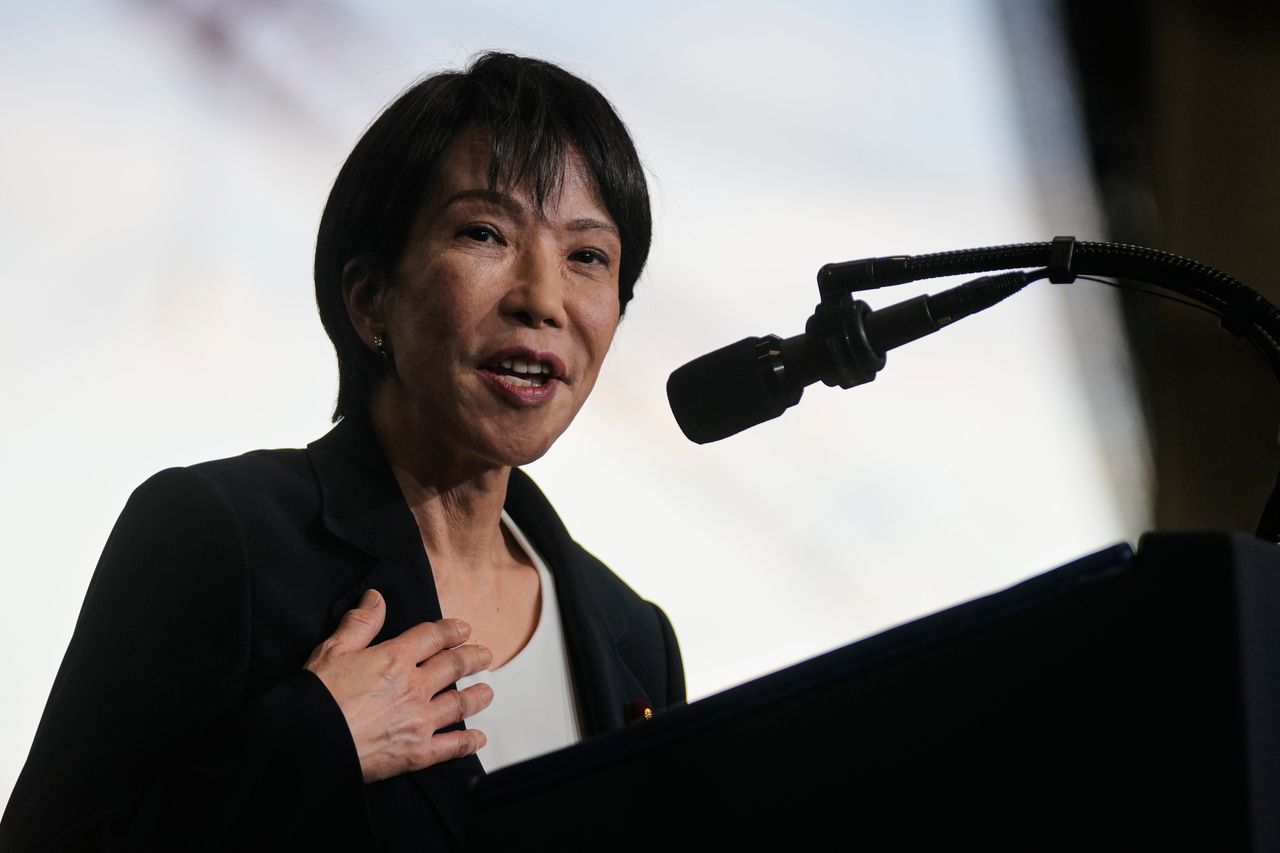
GYEONGJU, North Gyeongsang Province — A delicate thaw between South Korea and Japan will face its first test under new Japanese Prime Minister Sanae Takaichi during the APEC summit this week.
At a critical juncture, the future of the fragile rapprochement between Seoul and Tokyo appears to hinge more on Takaichi than on South Korean President Lee Jae Myung, according to observers in Seoul and Washington.
Lee and Takaichi are widely expected to hold their first in-person summit during the 2025 APEC Economic Leaders’ Week, running from Monday to Saturday in the historic city of Gyeongju, North Gyeongsang Province.
Observers agreed that maintaining the Lee administration’s bid to improve relations with Japan as a key diplomatic priority will be essential to keeping bilateral ties on their current trajectory of improvement under Japan’s new leadership.
“The Lee administration should continue its current approach and engage new Prime Minister Sanae Takaichi in a practical manner, but also offer Takaichi a partnership for Korea and Japan serving as stabilizing forces in the Indo-Pacific (region),” Troy Stangarone, a nonresident fellow at the Carnegie Mellon Institute for Strategy and Technology, told The Korea Herald.
Japan was the first destination in both President Lee and Foreign Minister Cho Hyun's inaugural overseas trips, ahead of their visit to the United States.
Lee and then-Japanese Prime Minister Shigeru Ishiba issued a joint press statement following their summit in Tokyo in August, underscoring the importance of “future-oriented cooperation” and collaboration in emerging industries, shared challenges and North Korea. The statement marked the first such declaration between the respective top leaders since 2008.
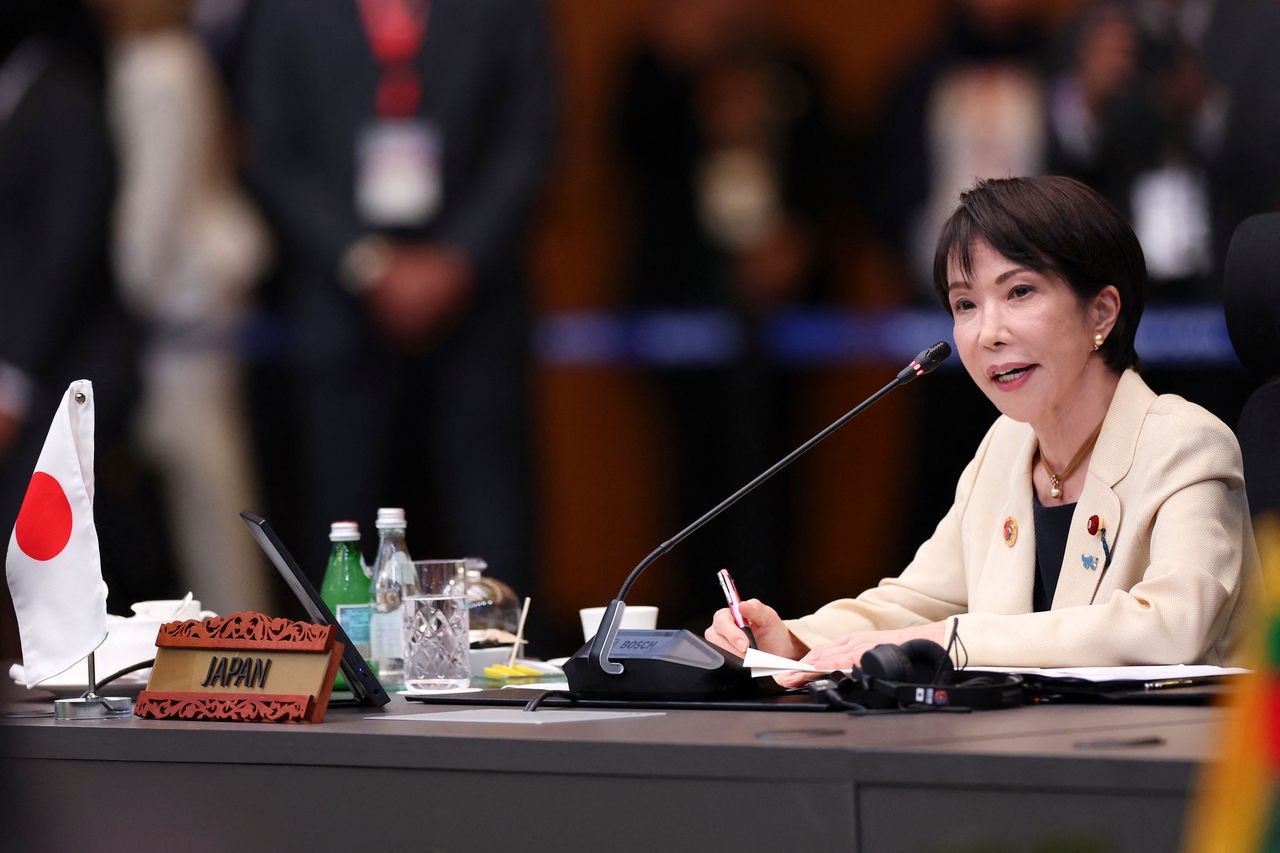
Takaichi holds key in first summit
However, observers concurrently underlined that the way Seoul and Tokyo lift the curtain on the next chapter of their ties depends largely on Takaichi.
“But the ball is in Prime Minister Takaichi’s court. She views herself as the Japanese ‘Iron Lady.’ It will be incumbent upon her to demonstrate a similar pragmatic approach to Lee’s,” Stangarone said, comparing Takaichi to former British Prime Minister Margaret Thatcher. “Her initial comments on Korea have been positive, but how she handles this initial meeting with President Lee will set the tone of the partnership.”
John Delury, a senior fellow at the Asia Society, aligned with the perspective.
“President Lee has proven his commitment to maintaining the momentum in improved relations with Japan, despite the unsettled historical issues,” Delury told The Korea Herald, referring to deep-seated historical disputes stemming from Japan’s colonial rule of the Korean Peninsula from 1910 to 1945.
“The burden is really on Prime Minister Takaichi to prove she will put Japan’s interests in security, prosperity and democracy above her personal proclivity toward historical revisionism.”
After Takaichi became Japan’s first female prime minister on Oct. 21, concerns have arisen over the future of Seoul-Tokyo relations, which had been improving under her predecessors, Fumio Kishida and Ishiba.
Takaichi’s reputation as a historical revisionist, echoing that of her mentor, the late Prime Minister Shinzo Abe, has fueled unease in Seoul. Under Abe’s leadership, bilateral relations hit rock bottom.
Takaichi signals softer stance
However, others pointed out that Takaichi’s remarks during her first news conference on Oct. 21 signalled a willingness to work with South Korea.
Takaichi expressed her intent to develop ties between Seoul and Tokyo “in a future-oriented and stable manner,” expressing a willingness to meet Lee during her first news conference as a prime minister.
Admitting to concerns over the future of Seoul-Tokyo ties under her leadership, Takaichi said, "There seem to be various concerns about me related to South Korea. But I like Korean seaweed, I use Korean cosmetics and I watch Korean dramas."
“It appears that Takaichi is recalibrating her stance on Korea-Japan ties and adopting a more moderate position. I might dare say that she is taking a page out of Lee’s own playbook on pragmatic diplomacy. To her credit, Takaichi did not visit Yasukuni Shrine,” Andrew Yeo, a senior fellow and the SK-Korea Foundation chair at the Brookings Institution’s Center for Asia Policy Studies, told The Korea Herald.
“If Lee continues to approach ROK-Japan relations in a pragmatic, forward-looking manner as he did with Kishida, ROK-Japan relations should remain on track,” he added, referring to Korea by the acronym of South Korea's formal name, the Republic of Korea.
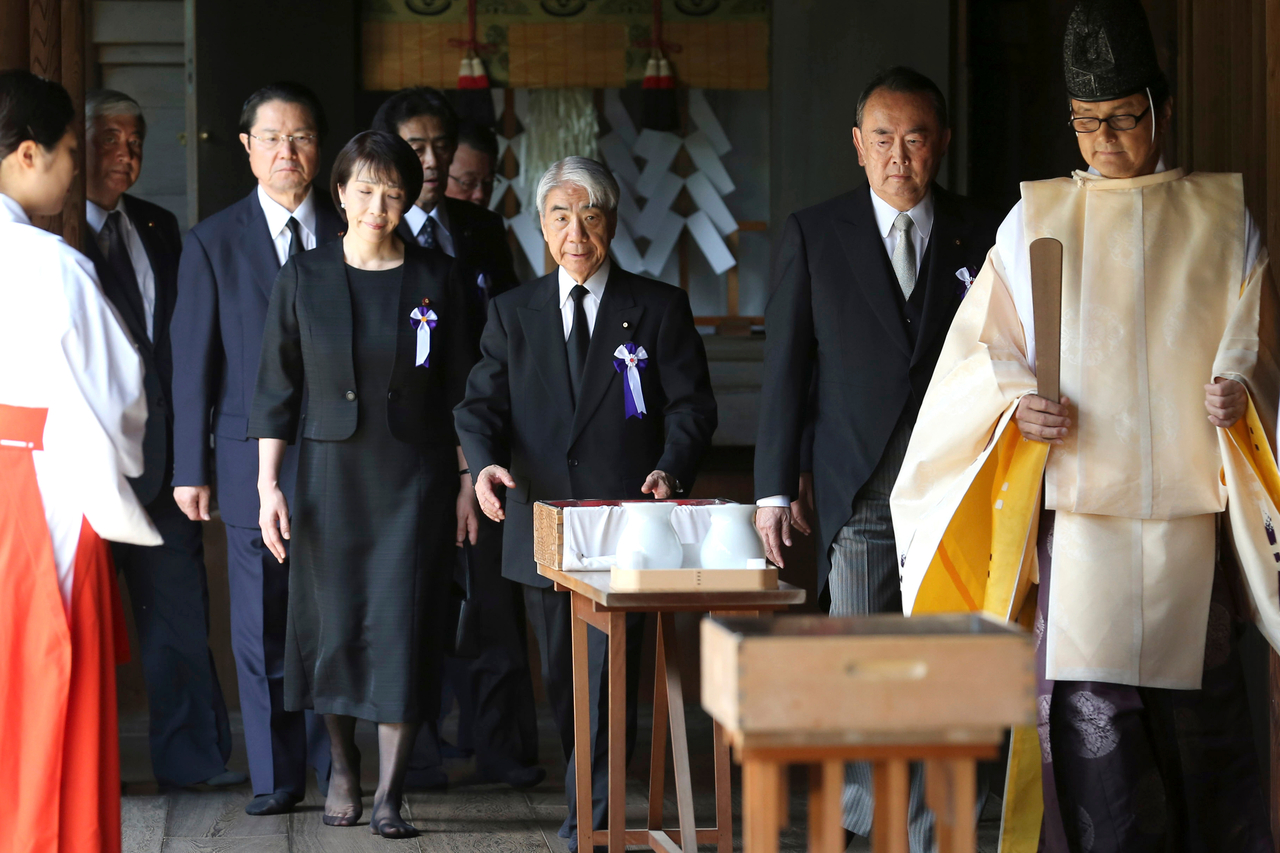
Takaichi did not visit the controversial Yasukuni Shrine in Tokyo during Japan’s fall festival earlier in October before her inauguration as prime minister.
Skipping the shrine visit marked a departure from her previous track during Japan’s annual spring and fall festivals, as well as on Aug. 15, the anniversary of Japan’s surrender in World War II, even while serving in ministerial posts.
The shrine honors Japan’s war dead, including Class-A war criminals from World War II, and has long been a source of friction with South Korea and other neighboring countries.
Seoul's possible strategies
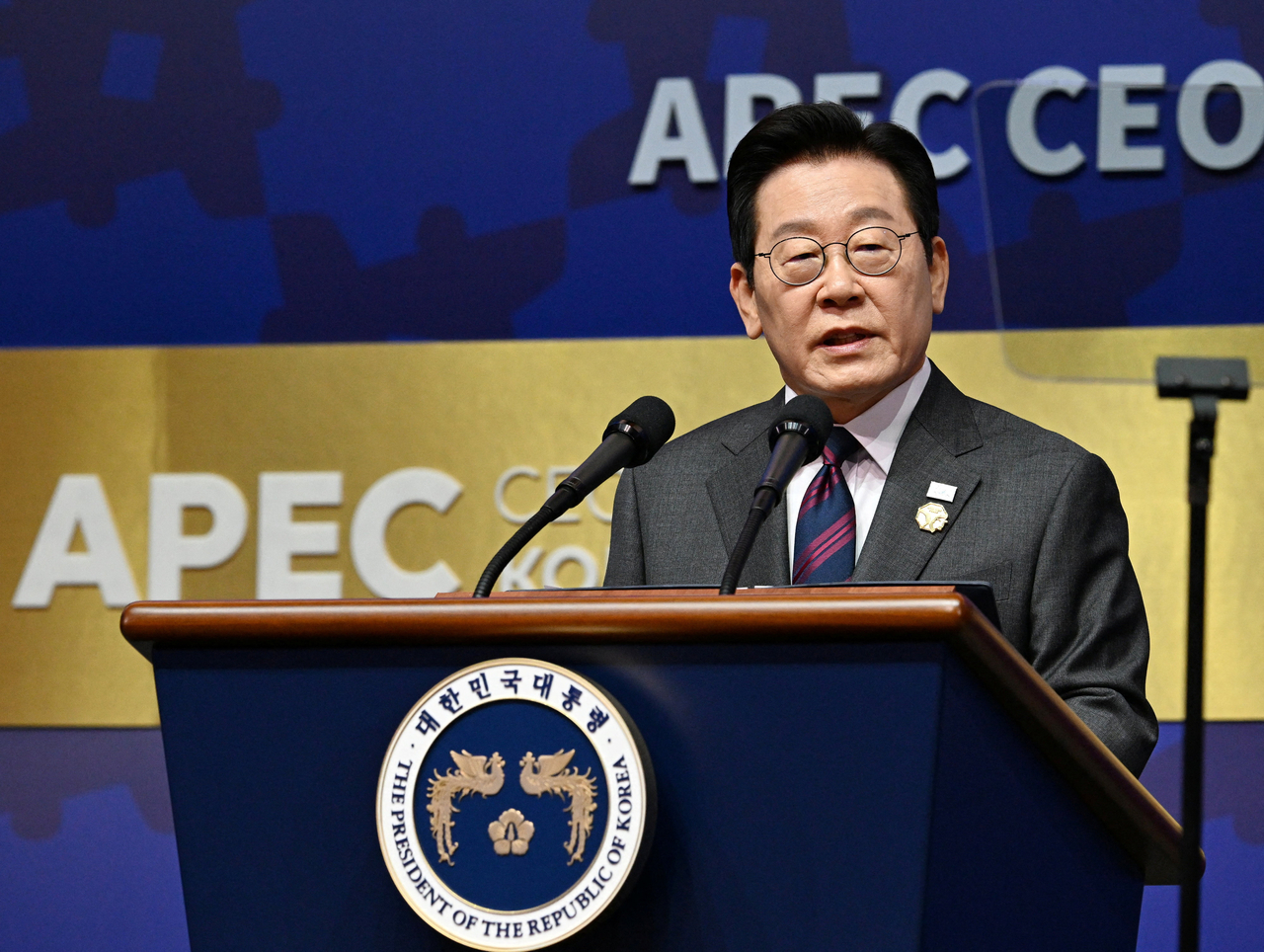
The first Lee-Takaichi summit, which is expected to be held on the sidelines of the APEC summit — alongside Lee’s lineup of bilateral meetings with leaders from among the 21 APEC economies — will have limitations as a venue for substantive talks.
Yet, it could serve as a useful occasion to set the direction of Seoul-Tokyo relations.
Stangarone believes Korea "can use APEC as an opportunity to lay out its preferred agenda to shape future discussions on deepening trilateral cooperation,” while Patrick Cronin, Asia-Pacific security chair at the Hudson Institute, underscored how both Lee and Takaichi "need to prioritize economic growth, even while also strengthening their militaries.”
“With APEC in mind, President Lee should focus on finding new ways to cooperate economically with Japan, while underscoring trilateral security cooperation and reaffirming basic cooperation on regional security challenges,” Cronin added.
Ellen Kim, director of academic affairs at the Korea Economic Institute of America, said Lee should underscore the significance of sustaining shuttle diplomacy, referring to reciprocal visits by the two leaders, and work to solidify Takaichi’s support for trilateral cooperation with the US.
"(Lee) should encourage the new Japanese leader to continue shuttle diplomacy to ensure close policy communication and coordination between their governments so as to prevent any hiccups or surprises in their ties," Kim told The Korea Herald.
“He will need to secure Japan's buy-in to the importance of the US-ROK-Japan trilateral cooperation, even if her government could prioritize Japan's strong ties with the Trump administration.”
However, Kim also noted "Seoul might choose not to publicly highlight the US-ROK-Japan trilateral partnership at APEC for two reasons."
"The Lee administration needs to confirm the importance of stable, future-focused Korea-Japan relations first when he meets the new Japanese leader," Kim said.
A more significant variable is Chinese President Xi Jinping's visit later this week to attend the APEC summit and hold his first in-person summit with Lee, marking his first trip to South Korea since 2014, amid strained Seoul-Beijing relations.
"More significantly, the Lee administration wants to improve South Korea's relationship with China during Xi's state visit," Kim said. "As a result, it will avoid publicly highlighting US-ROK-Japan trilateral cooperation, as doing so could be perceived as antagonistic toward China."
dagyumji@heraldcorp.com