APEC summit in Gyeongju becomes arena for Korea’s role amid shifting global power
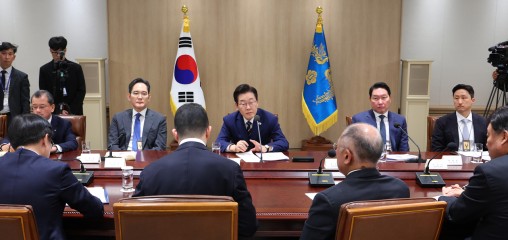
President Lee Jae Myung’s diplomatic agenda this week is less a schedule of meetings and more a high-stakes tightrope walk across a geopolitical chasm.
The journey began Sunday with his attendance at the Association of Southeast Asian Nations summit in Malaysia, which is also a precursor to the main event: South Korea’s hosting of the Asia-Pacific Economic Cooperation summit in Gyeongju, North Gyeongsang Province.
This diplomatic “super week” culminates in an unprecedented convergence on Korean soil: simultaneous state visits and bilateral summits with US President Donald Trump on Oct. 29 and Chinese President Xi Jinping on Nov. 1.
With the world watching the pivotal Trump-Xi meeting scheduled for Oct. 30, the Gyeongju summit stands as the definitive, and perhaps most perilous, test of President Lee’s "national interest-focused pragmatic diplomacy."
The first immediate challenge lies in securing the future of the Korea-US partnership. Lee’s second summit with Trump follows months of intense negotiation focused on a multibillion-dollar strategic trade package. At its core is Seoul’s proposed $350 billion investment in the US, offered in exchange for crucial US tariff cuts, particularly on South Korean automobiles. While reports suggest that differences on the broad strokes have narrowed, contentious sticking points — like the specific cash ratio and the duration over which funds will be supplied — remain unresolved.
For Lee, the diplomatic imperative is to demonstrate the skillful negotiation required to achieve a “win-win” outcome that modernizes the security alliance while protecting Korea’s long-term economic growth potential. Rushing an unfavorable settlement would burden the national economy for years.
However, the spotlight inevitably drifts to the US-China axis. The meeting between Trump and Xi is widely seen as a watershed moment that will determine the immediate trajectory of the global trade war and the broader hegemonic showdown.
Against this backdrop, Lee’s meeting with Xi, marking the Chinese leader’s first visit to South Korea in 11 years, is a crucial opportunity for a pragmatic reset. Lee must seek to normalize bilateral relations, which have been strained by China’s unilateral actions and past diplomatic tensions. While aiming for deeper cooperation, he must also be prepared to address irritants firmly, including China’s unauthorized structures in the West Sea.
As the APEC chair, South Korea is expected to perform a crucial bridging role, seeking common ground between the two superpowers, and ideally, driving consensus toward adopting a declaration on free trade that upholds multilateralism against the rising tide of protectionism.
The scope of this diplomatic super week extends beyond the G2 entanglement. Lee’s ASEAN engagement in Malaysia aims to advance cooperation on emerging threats like transnational online scams and deepen strategic partnerships across Southeast Asia.
Coordination is also underway for a bilateral meeting with the new Japanese Prime Minister, Sanae Takaichi, an essential step in building regional trust.
Ultimately, navigating this complex geopolitical vortex requires a clear and unshakeable anchor. As Lee works to develop the US-Korea alliance into a future-oriented, comprehensive strategic alliance while simultaneously maintaining amicable relations with Beijing, his pragmatic policy must remain centered. A solid, values-centered alliance with the US is not merely an option but the firm baseline for expanding the horizons of South Korean diplomacy.
The Gyeongju APEC summit is more than a logistical success story; it would be a comprehensive report card on Lee’s ability to lead during a turbulent period marked by a “New Cold War” dynamic. The global stage demands nothing less than cool-headed analysis of reality and flexible responsiveness. For the sake of the Korean Peninsula and regional stability, South Korea must succeed in turning this diplomatic challenge into a defining opportunity for national prosperity and global leadership.
khnews@heraldcorp.com