With just a week to go before the Asia-Pacific Economic Cooperation summit opens in Gyeongju, North Gyeongsang Province, Prime Minister Kim Min-seok completed his final two-day inspection of the summit venues Friday, confident that preparations were in the last stretch.
“The major construction and infrastructure work is 99 percent complete,” Kim told a group of reporters in Gyeongju on Thursday. “The last one percent will depend on heaven’s help.”
Over the course of his latest two-day visit — his eighth since taking office in July — the prime minister toured key facilities including the Gyeongju Hwabaek International Convention Center, the Gyeongju National Museum’s newly built event hall and several hotels designated for world leaders and media delegates. He checked key service projects from AI-based translation services and dining readiness to lighting, landscaping and transportation arrangements.
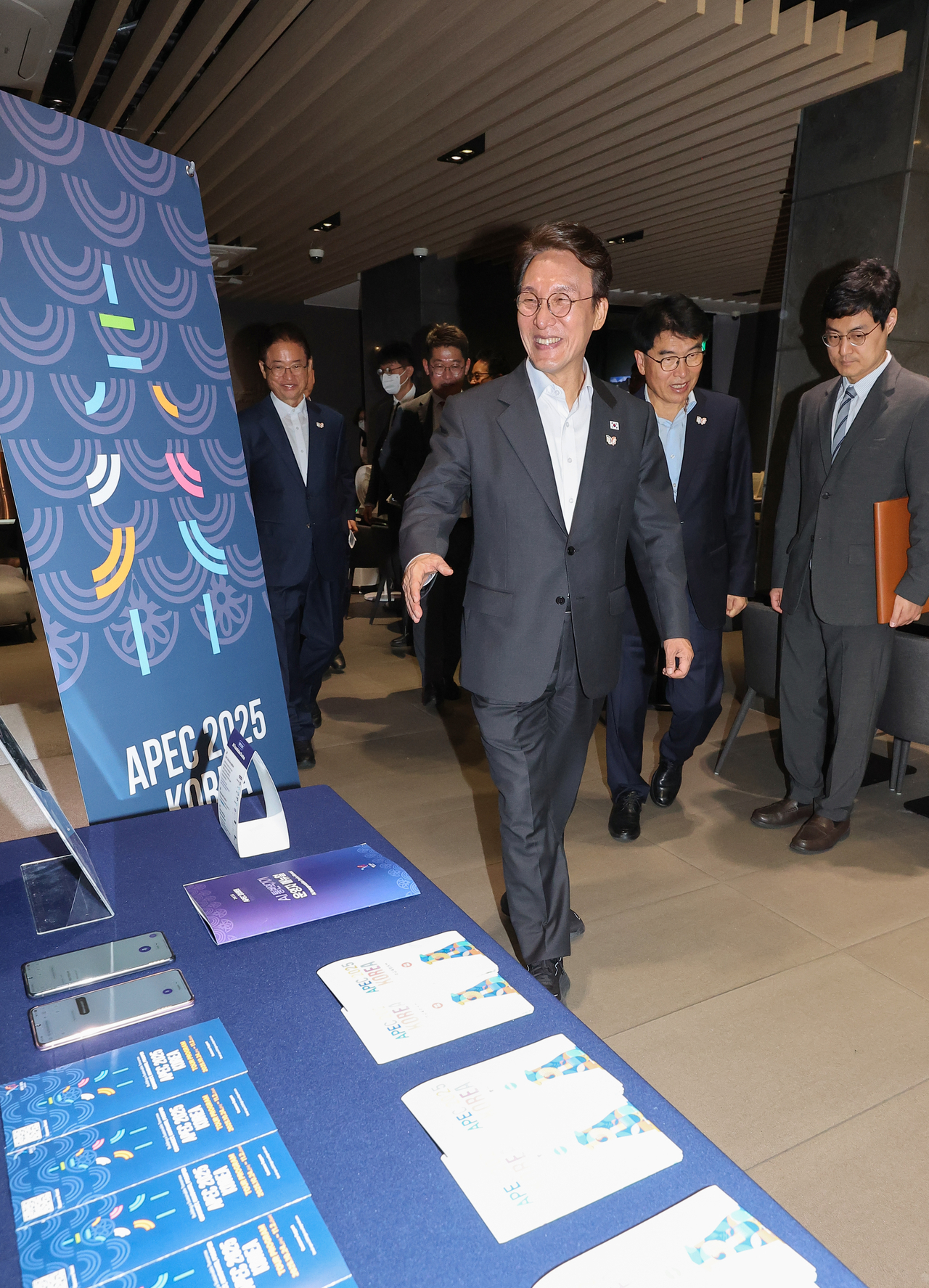
At the Gyeongju National Museum, Kim reviewed the newly constructed event space, which has been floated as a potential site for high-level bilateral talks, including the South Korea-US and South Korea-China summits. Originally planned as a banquet hall, the venue was redesigned as a business networking zone, with two days — Oct. 29-30 — deliberately left open for diplomatic meetings.
During his inspection, Kim met with about 70 protocol officers who will accompany world leaders, urging them to provide the “most refined and seamless” service possible. He also visited several hotels and the media village, inspecting facilities and confirming that all accommodation upgrades and translation systems were ready.
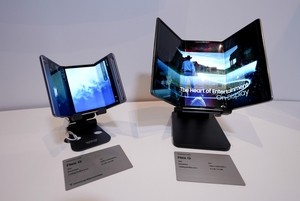
The HICO Convention Center, remodeled in the shape of Silla-era pavilions and royal crowns, will host the main leaders’ sessions Oct. 31–Nov. 1. The Economic Exhibition Hall at Gyeongju Expo Grand Park will showcase Korea’s industrial history and advanced technologies, including AI portrait robots and autonomous maritime systems.
“The work that Gyeongju has done is remarkable,” Kim said Thursday. “Initially, there were doubts about whether the city could handle an event of this magnitude, but after several visits, I’m convinced we made the right choice.”
In a lighthearted remark, the prime minister added that the “final hurdle” was more mundane than political. “Surprisingly, the last issue is the smell — not an odor, but that new-building scent,” he said. “We’re airing it out before our guests arrive.”
As the city readies to welcome 1,700 global leaders and business executives from the 21 APEC member economies — including US President Donald Trump, Chinese President Xi Jinping and South Korean President Lee Jae Myung — Gyeongju has transformed into a meticulously choreographed host city. Hanok-style welcome signs line the highways, hotels have completed renovations, and taxis now carry QR-based interpretation systems.
Reflecting on months of preparation, Kim said the process underscored South Korea’s ability to merge tradition and technology on the world stage. “APEC in Gyeongju is not only about diplomacy,” he said. “It’s about showing how a thousand-year-old city can lead the future.”
mkjung@heraldcorp.com