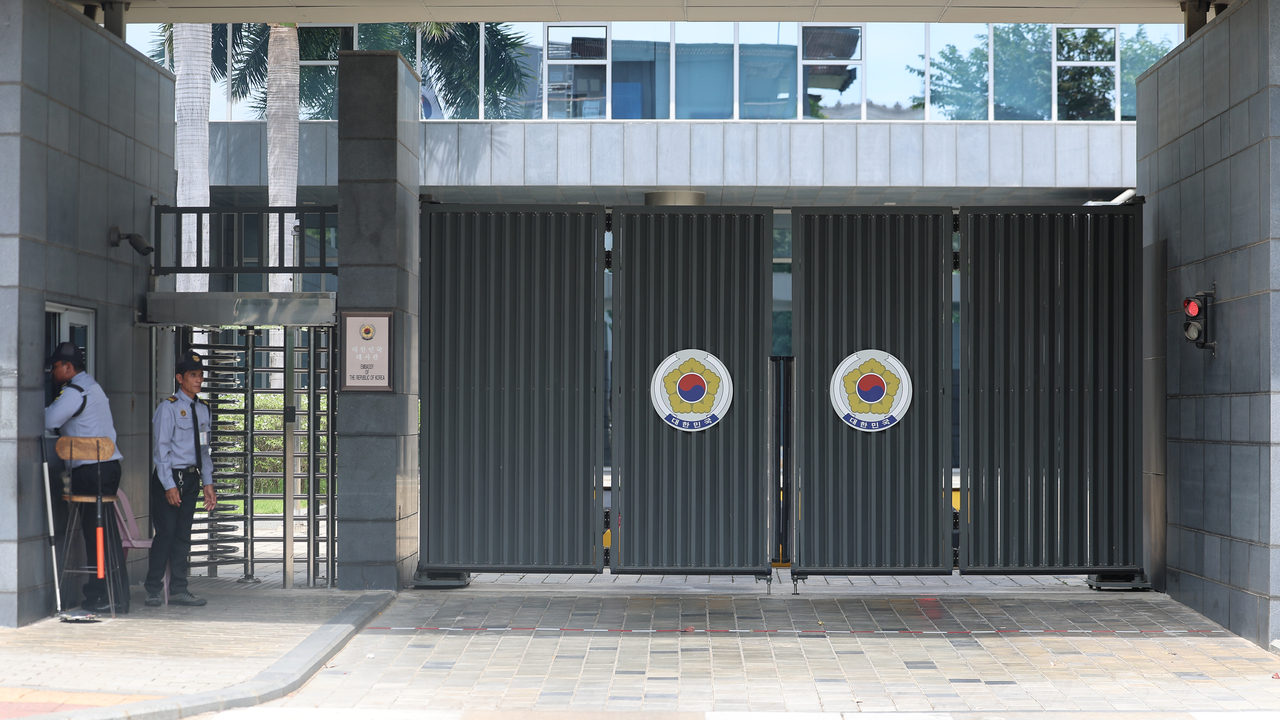
A nation’s responsibilities extend beyond its borders. When a South Korean university student was allegedly tortured to death in Cambodia in August, the tragedy exposed more than a single failure of law enforcement. It revealed the erosion of safety for Koreans abroad and the limits of Seoul’s reactive diplomacy.
한 나라의 책임은 국경 밖에서도 끝나지 않는다. 지난 8월, 한 한국인 대학생이 캄보디아에서 고문을 당해 숨진 사건은 단순한 치안 실패가 아니었다. 해외에서 한국인의 안전망이 얼마나 허술해졌는지, 그리고 ‘사후 대응형 외교’에 머물러온 한국의 한계를 적나라하게 드러냈다.
The case was shocking in its cruelty: A young man lured by a “high-income” overseas job offer was apparently held captive by a criminal ring and found dead in a car near Bokor Mountain, a known hub for online scam operations.
사건의 잔혹성은 더욱 충격적이다. ‘고수익 해외 취업’ 제안을 믿고 캄보디아로 향한 청년은 범죄 조직에 납치돼 감금된 채, 온라인 사기 조직이 모여 있는 보코르산 인근 차량에서 싸늘한 주검으로 발견됐다.
Cambodian prosecutors have since charged three Chinese nationals, but the delay in repatriating the victim’s remains has inflamed public anger in South Korea. His death, far from an isolated case, has become emblematic of a larger and darker trend.
캄보디아 검찰이 중국 국적자 3명을 기소했지만, 시신 송환이 지연되면서 한국 내 분노는 커지고 있다. 이 사건은 단일 범죄를 넘어, 한국인을 겨냥한 더 크고 어두운 범죄의 흐름을 상징하게 됐다.
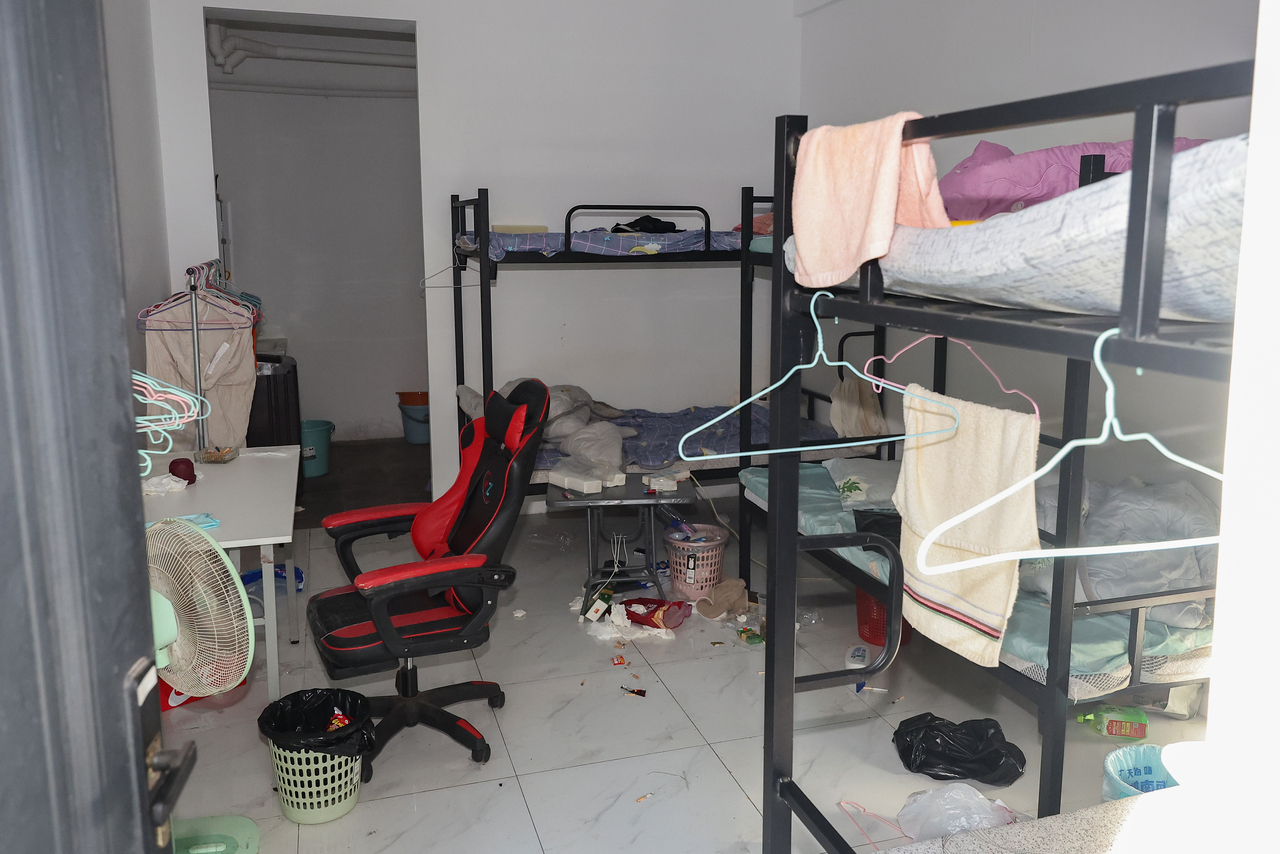
Kidnapping and detention cases involving Koreans in Cambodia have surged at an alarming pace: from 10 to 20 annually in 2022 and 2023, to 220 in 2024, and 330 by August this year. The victims are typically deceived by online recruiters promising lucrative jobs, then forced into criminal labor.
캄보디아에서 한국인을 노린 납치·감금 사건은 빠른 속도로 급증하고 있다. 2022~2023년 연평균 10~20건 수준이던 피해가 2024년에는 220건으로, 올해 8월까지는 이미 330건에 달했다. 피해자 대부분은 ‘고소득 일자리’ 광고에 속아 현지에 갔다가 범죄 조직에 붙잡혀 불법 노동에 동원됐다.
Two South Koreans recently rescued from confinement in Cambodian capital Phnom Penh recounted being tortured for 160 days by a voice phishing syndicate that included Chinese nationals and ethnic Koreans.
최근 프놈펜에서 구출된 한국인 2명은 중국인과 한국계가 포함된 보이스피싱 조직에 의해 160일 동안 감금과 고문을 당했다고 털어놨다.
At the core lies a transnational problem that extends beyond Cambodia itself.
문제의 본질은 캄보디아만의 문제가 아니다.
Criminal groups from China, Thailand and Vietnam exploit weak border enforcement and limited regional coordination across Southeast Asia. In Cambodia, where oversight remains strained, these networks have found space to operate. Allegations of official complicity and insufficient policing have persisted, though verifying them remains difficult. What has emerged is not so much a single-country failure as a regional governance gap — one that blends cybercrime, human trafficking and financial fraud into a single illicit market.
중국·태국·베트남 등지의 범죄 조직들이 동남아 전역의 허술한 국경 단속과 느슨한 공조 체계를 악용하고 있다. 감시와 수사력이 취약한 캄보디아는 이들의 활동 무대로 변했다. 일부 공무원의 연루 의혹과 부실한 수사에 대한 비판도 끊이지 않지만, 이를 입증하기는 쉽지 않다. 드러난 것은 한 나라의 실패가 아니라, 사이버 범죄·인신매매·금융사기가 얽힌 ‘초국가적 범죄 생태계’, 그리고 이를 제어하지 못하는 ‘지역 거버넌스의 공백’이다.
responsibility: 책임
border: 국경
torture: 고문하다
abroad: 해외
limit: 한계
cruelty: 잔혹성
scam: 사기
charge: 기소하다
delay: 지연시키다
repatriate: 송환하다
emblematic: 상징적
kidnap: 납치하다
detention: 감금
pace: 속도
deceive: 속이다
exploit: 착취하다, 악용하다
verify: 확인하다
fraud: 사기
khnews@heraldcorp.com