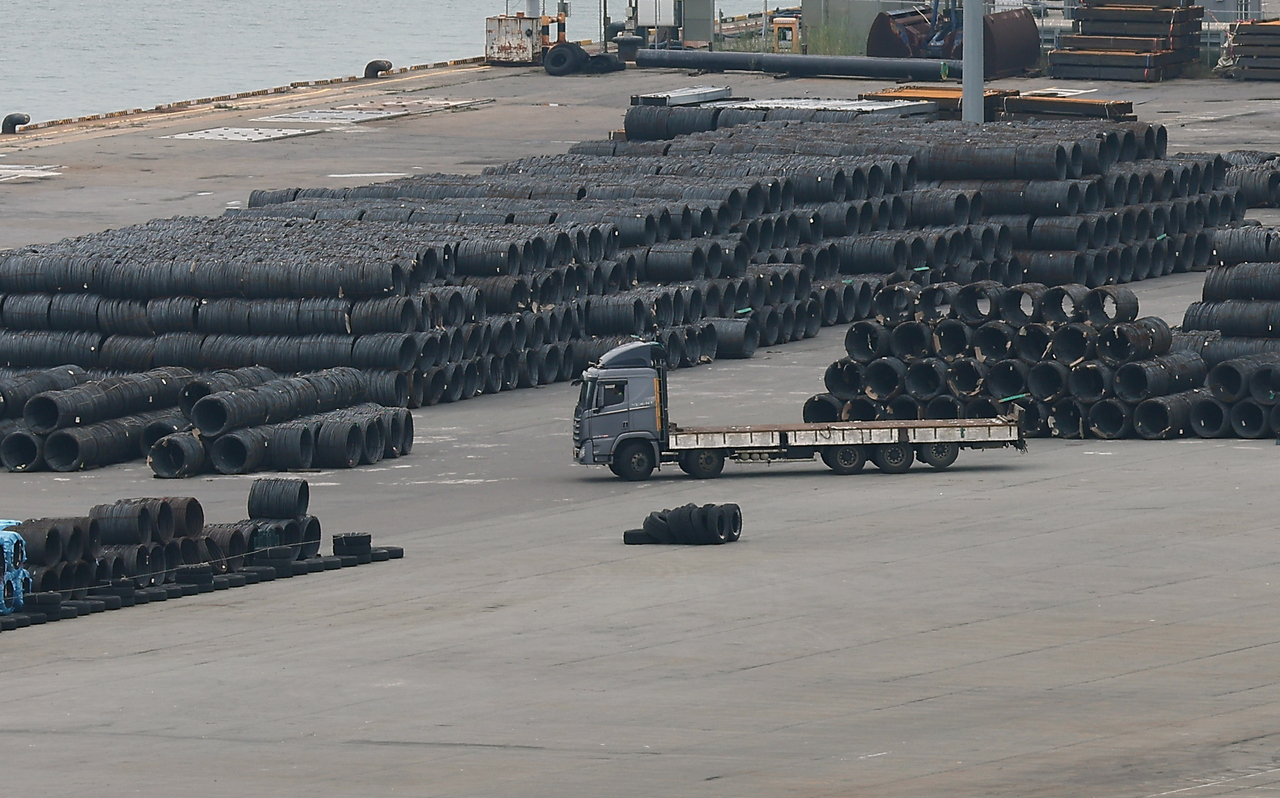
A steel tariff shock has landed, this time from the European Union. On Oct. 7, the European Commission unveiled a sweeping plan to halve duty-free quotas on steel imports and double the tariff on excess volumes from 25 to 50 percent.
또 하나의 철강 관세 폭탄이 이번에는 유럽연합으로부터 떨어졌다. 10월 7일, 유럽연합(EU) 집행위원회는 철강 수입의 무관세 쿼터를 절반으로 줄이고, 초과 물량에는 기존 25%에서 50%로 관세를 두 배 인상하는 대대적인 계획을 발표했다.
The EU’s move confirms that protectionism is back in fashion. For South Korea, the second-largest supplier to Europe after China, it closes off one of its key open markets. After Washington’s tariff surge earlier this year, the EU’s move tightens the squeeze.
EU의 이번 조치는 보호무역주의가 다시 고개를 들고 있음을 분명히 보여준다. 중국에 이어 유럽의 두 번째 철강 공급국인 한국으로서는 주요 개방 시장 하나가 사실상 닫히는 셈이다. 올해 초 미국이 관세를 대폭 인상한 데 이어, EU의 결정은 한국 철강업계의 숨통을 한층 더 조이고 있다.
The new plan will replace the current safeguard system when it expires next June. Global tariff-free quotas will shrink from roughly 30.5 million metric tons to 18.3 million tons, and any imports beyond that will face a punitive 50 percent duty. Member states are expected to ratify the proposal within months, and early implementation has not been ruled out.
새 계획은 현행 긴급수입제한조치가 내년 6월 만료되면 이를 대체하게 된다. 전 세계 무관세 쿼터는 약 3,050만 톤에서 1,830만 톤으로 줄어들며, 이를 초과하는 수입에는 50%의 징벌적 관세가 부과된다. 회원국들은 수개월 내에 이 제안을 비준할 것으로 예상되며, 조기 시행 가능성도 열려 있다.
Brussels insists that national allocations will remain subject to negotiation and that free trade partners could enjoy flexibility. In practice, shrinking quotas leave every exporter fighting for a smaller share.
EU는 각 회원국의 쿼터 배분이 협상을 통해 조정될 수 있으며, 자유무역협정(FTA) 체결국에는 일정한 유연성을 부여할 수 있다고 밝혔다. 그러나 현실적으로 쿼터 자체가 줄어드는 상황에서 모든 수출국은 더 작은 파이를 두고 치열한 경쟁을 벌일 수밖에 없다.
The rationale is familiar. European steelmakers, battered by Chinese oversupply and energy-price shocks, have pressed for breathing space. The new regime includes “melt and pour” origin tracking to prevent circumvention through third countries, a clear signal aimed at Asian detours.
명분은 익숙하다. 중국의 과잉 공급과 에너지 가격 급등으로 고전해온 유럽 철강업계는 숨 쉴 틈을 달라며 압박해왔다. 이번 제도에는 제3국을 경유한 우회 수출을 차단하기 위한 ‘Melt and Pour(용해 및 주조)’ 원산지 추적 조항이 포함됐다. 사실상 아시아를 통한 우회 수출을 겨냥한 조치다.
The timing is equally revealing. The EU’s plan comes just months after the US doubled its own steel tariffs to 50 percent. The world’s two largest economies now seem to be converging on a new industrial nationalism. The rules-based trading order, once the pride of the transatlantic alliance, is showing cracks.
시점 또한 의미심장하다. 이번 EU의 조치는 미국이 자국 철강 관세를 50%로 인상한 지 불과 몇 달 만에 나왔다. 세계 두 거대 경제권이 새로운 산업 민족주의로 수렴하는 모양새다. 한때 대서양 동맹의 자부심이던 ‘규범 기반 무역질서’는 곳곳에서 균열을 드러내고 있다.
For South Korea, the blow lands hard. Exports to the EU last year reached $4.48 billion, slightly exceeding those to the US. Roughly 3.8 million tons entered Europe, most under the existing quota system. In contrast, South Korea’s steel shipments to the US have plunged since March, when Washington revoked Seoul’s quota privileges and expanded its high-tariff list to hundreds of downstream products.
한국의 타격은 작지 않다. 지난해 한국의 대EU 철강 수출액은 44억8,000만 달러로, 대미 수출을 소폭 웃돌았다. 약 380만 톤의 철강이 유럽으로 수출됐으며, 대부분이 현행 쿼터 제도의 혜택을 받았다. 반면, 올해 3월 미국이 한국의 쿼터 특혜를 철회하고 고관세 대상 품목을 수백 개로 확대하면서 대미 철강 수출은 급감했다.
steel: 철강
unveil: 공개하다
excess: 초과
replace: 대체하다
expire: 만료되다
shrink: 줄어들다
punitive: 징벌적인
duty: 관세, 의무
ratify: 비준하다
negotiation: 협상
flexibility: 유연성
familiar: 익숙한
breathe: 숨을 쉬다
circumvention: 우회
industrial: 산업의
order: 질서
exceed: 초과하다
product: 제품
khnews@heraldcorp.com