Kazakhstan, S. Korea cited as 'new middle powers' capable of building trust through dialogue in multipolar world
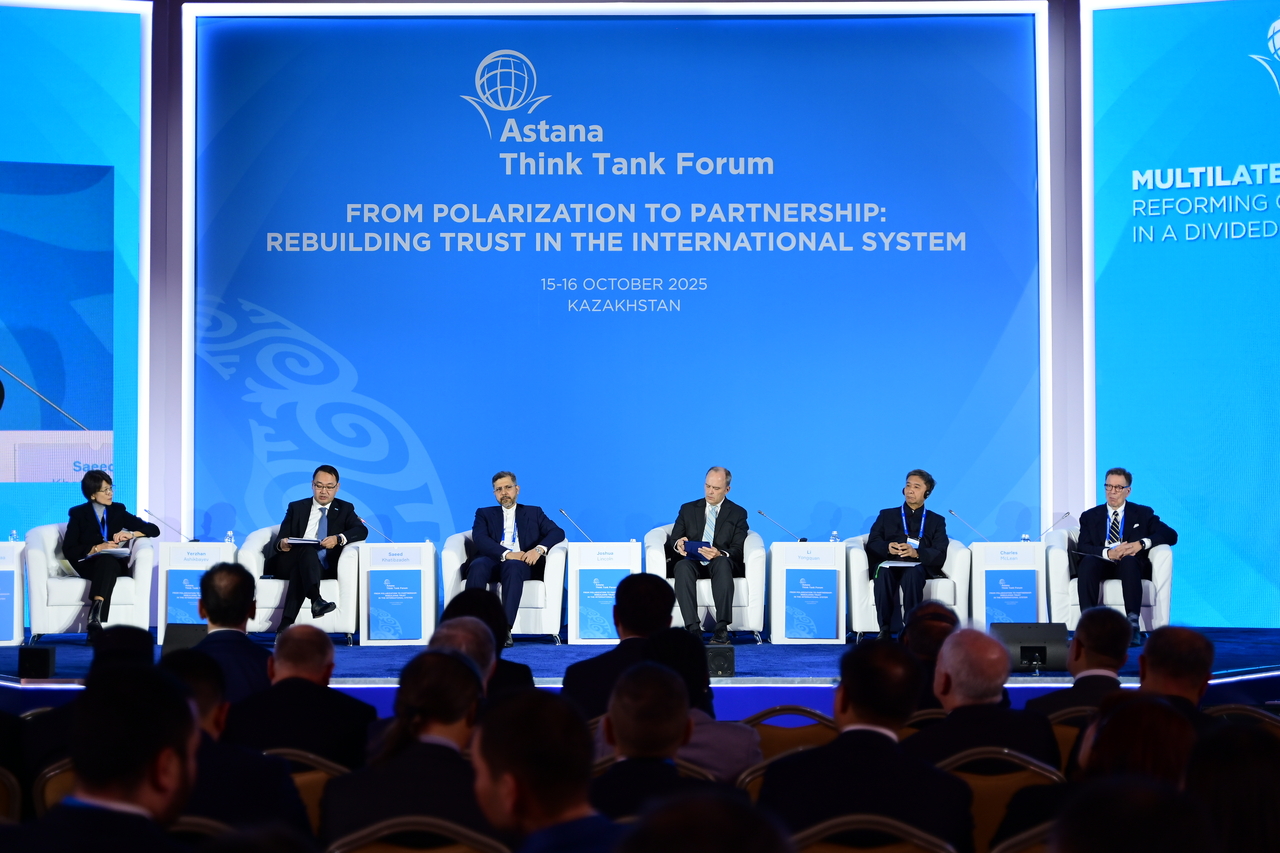
ASTANA, Kazakhstan — Global scholars, diplomats and policymakers gathered in Kazakhstan’s capital city, Astana, to call for renewed trust and dialogue as geopolitical divisions continue to deepen across the globe.
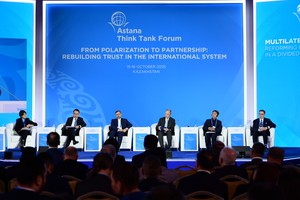
Hosted by the Kazakhstan Institute for Strategic Studies under the theme “From Polarization to Partnership: Rebuilding Trust in the International System,” the two-day Astana Think Tank Forum took place on Wednesday and Thursday, bringing together experts from 20 countries — including China, South Korea and the United States — to explore practical ways to revive multilateral cooperation and reinforce rules-based international order.
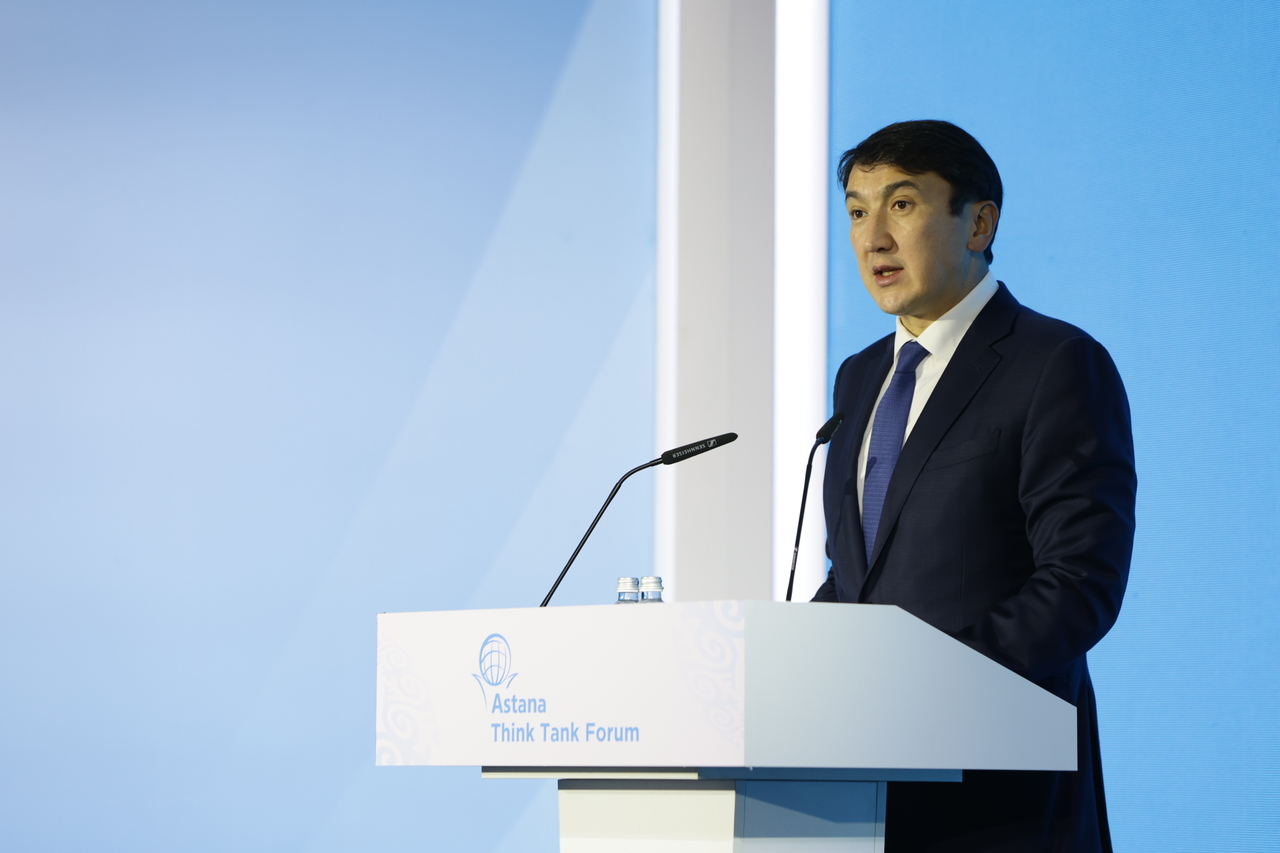
In his opening address, Magzum Mirzagaliyev, adviser to the president of Kazakhstan, warned that polarization has become a “defining feature of international relations,” eroding trust between countries and within societies.
“Dialogue and engagement are essential, not optional,” said Mirzagaliyev. “Trust is the cornerstone of peace, and dialogue remains the most reliable path through uncertainty.”
Mirzagaliyev added that Kazakhstan aspires to act as a “neutral convener,” uniting countries at a time when global governance faces an uncertain future amid ongoing conflicts.
Middle powers at center of cooperation
During the forum’s main session, which explored how multilateralism and global governance can function amid persistent division, speakers examined how middle powers such as Kazakhstan can help strengthen cooperation in an era of growing rivalry among major blocs.
First Deputy Minister of Foreign Affairs of Kazakhstan Yerzhan Ashikbayev highlighted the growing role of middle powers in regional and global affairs in “promoting peace and sustainable development.”
He cited Kazakhstan’s international initiatives, including its proposal to establish an International Agency for Biological Security under the United Nations to prevent pandemics and bioterrorism, as examples of proactive diplomacy.
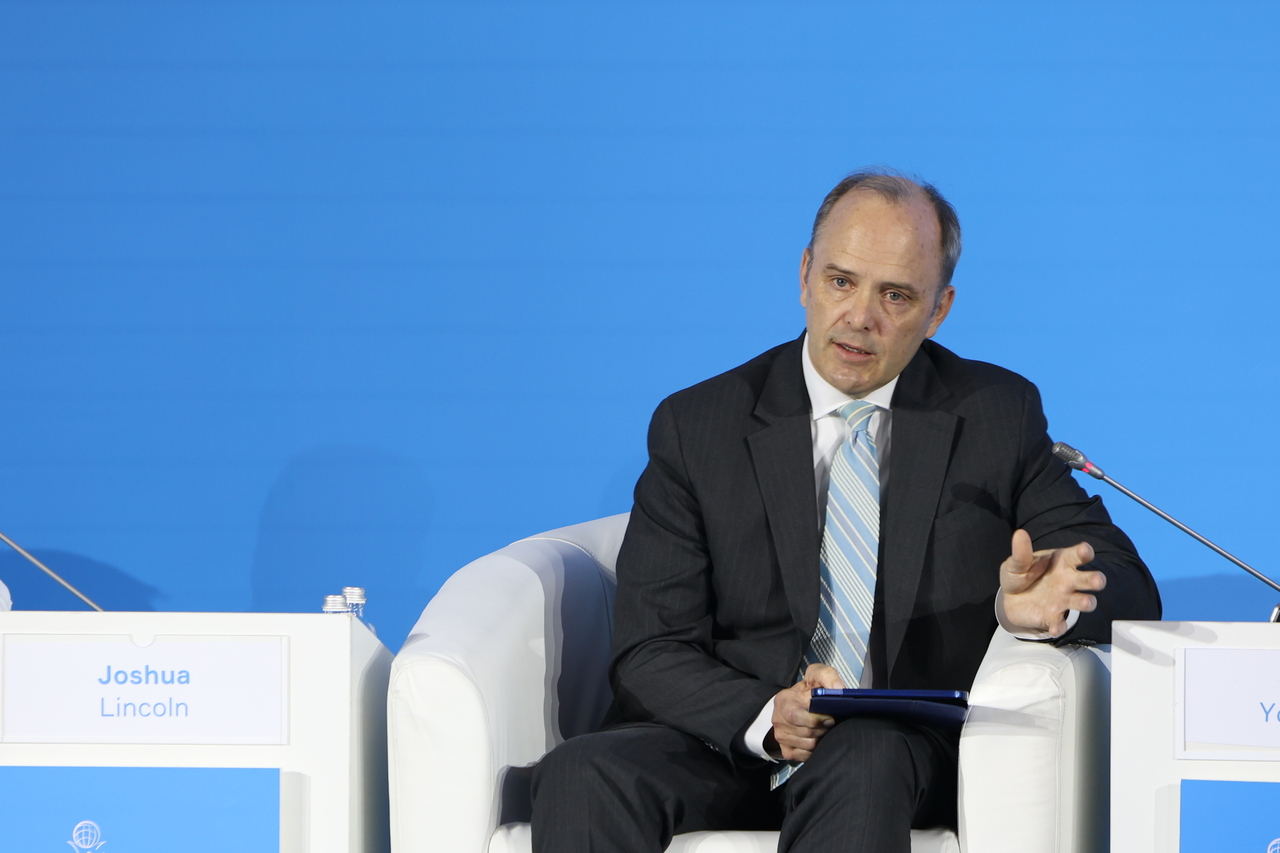
Joshua Lincoln, senior fellow at the US Fletcher School of Law and Diplomacy at Tufts University, urged the reform of global institutions created in 1945, such as the UN, the International Monetary Fund and the World Bank. He claimed these were “designed for a mid-20th-century world” dominated by fewer dominant powers compared to today’s interconnected, multipolar world.
“The global institutions (from 1945) now face unprecedented challenges,” said Lincoln. “The UN Charter, for example, was predigital, prenuclear, pre-human rights, pre-climate crisis. We are living in a moment that requires slow, managed renewal. … If a breakdown is slowed and moderated, it allows the possibility of renewal rather than total collapse.”
Lincoln highlighted the rise of groupings such as BRICS and the Shanghai Cooperation Organization, which emphasize sovereignty and multipolarity, but often lack enforcement power. Smaller frameworks, such as the Quadrilateral Security Dialogue and the Organization for Economic Cooperation and Development, were mentioned as frameworks that enable faster coordination but risk deepening fragmentation.
“Kazakhstan is an interesting illustration of the diplomatic balance needed in governance,” Lincoln added, noting the country’s participation in the SCO, the Eurasian Economic Union and BRICS Plus.
“This kind of dual-track diplomacy will be essential in the period ahead.”
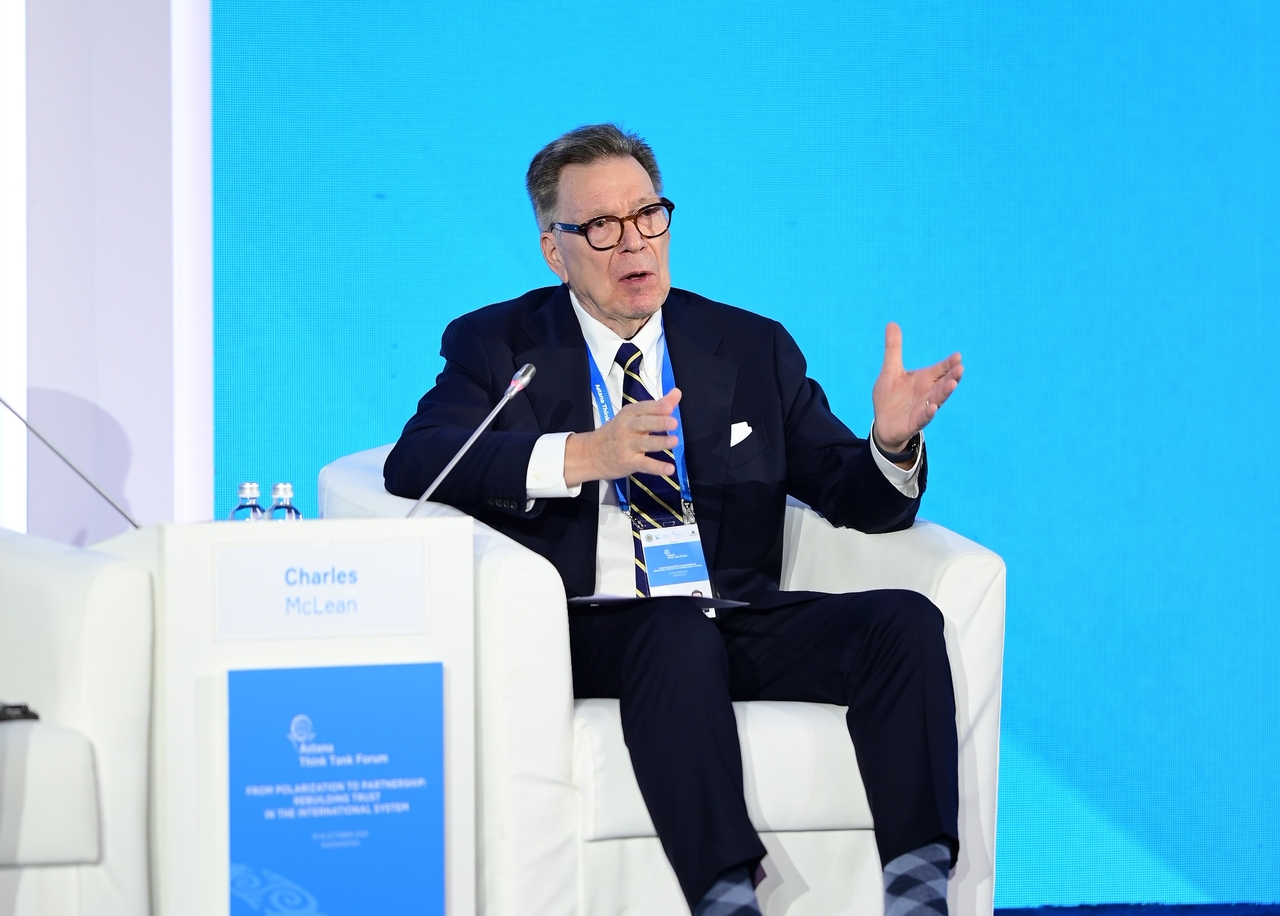
Charles McLean, founder of the Borderless Consulting Group, based in the US, built on Lincoln’s point, emphasizing the need for leverage that enables multilateral institutions to address global challenges effectively.
“The problem isn’t a lack of values — it’s a lack of leverage,” McLean said. “We have too many forums and too few tools. The UN has become too cumbersome to act quickly. We need multilateral institutions of a smaller scale to build on their leverage to address the problems of the world.”
McLean cited Kazakhstan and South Korea as examples of “new middle powers” capable of building trust through dialogue and partnership, particularly as the era of great-power dominance by nations such as the US and Russia continues to give way to a more multipolar world.
S. Korea’s regional engagement as pragmatic diplomacy
A Korean representative also spoke during the forum’s second session, which focused on the shift in power balance in today’s world and the role of multilateralism within it. He noted that Korea’s partnership with Central Asia, since 2007, has shown that cooperation, rather than competition, remains the most effective path toward rebuilding trust in a polarized world.
“Korea’s partnerships with Central Asian countries have focused on six key areas: industrial modernization, transport and logistics, health and medical services, climate change, the environment, and energy, as well as areas focused on education, culture and tourism,” said Rhee Jong-kook, executive director of the Korea Foundation’s Korea-Central Asia Cooperation Forum Secretariat.
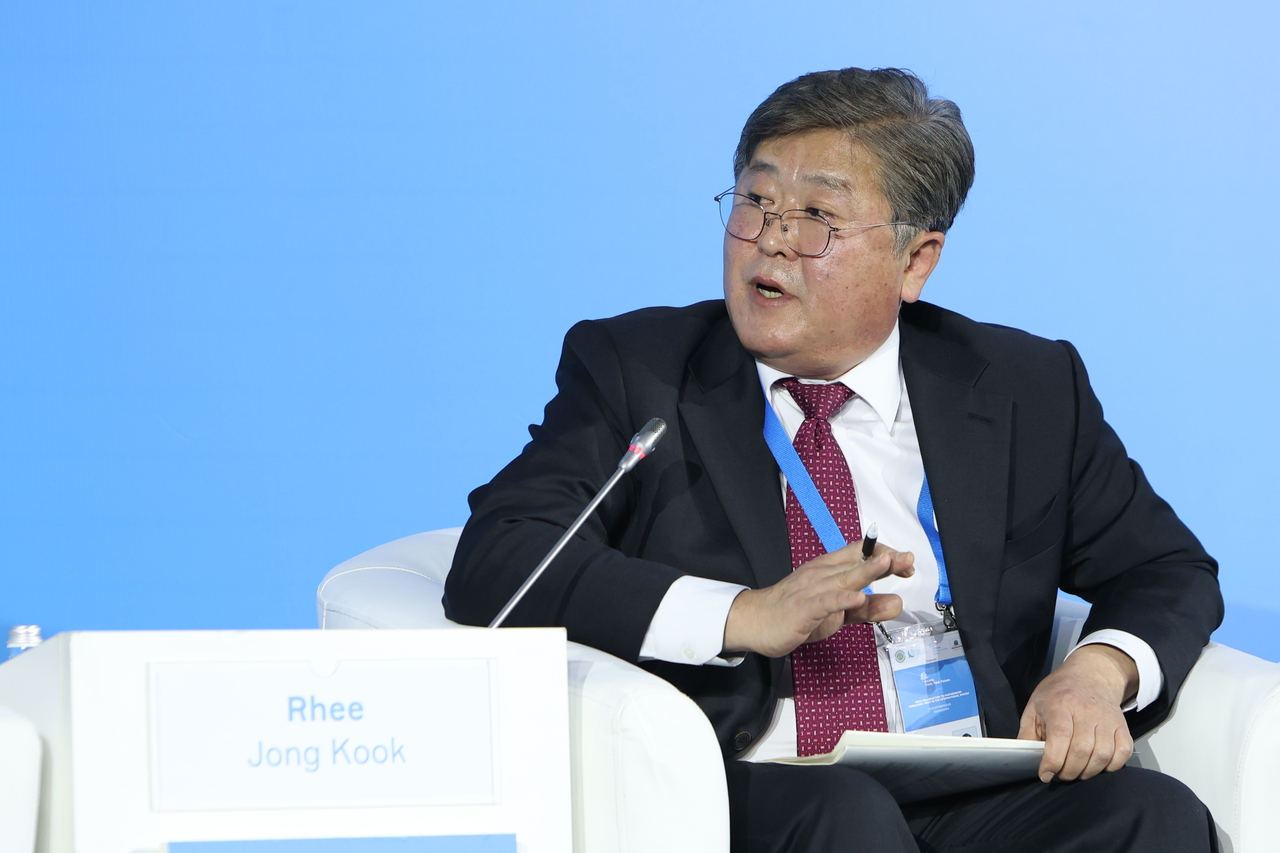
He added that the new Lee Jae Myung administration seeks to center its diplomacy on national interest and pragmatic cooperation — a vision reflected in Seoul’s long-standing engagement with Central Asia, where collaboration is rooted in shared needs rather than ideology.
The second annual Astana Think Tank Forum, dedicated to the role of middle powers in a changing global order, featured nine thematic sessions on issues ranging from international security and nuclear disarmament to artificial intelligence, trade and transport, climate change and water security.
As discussions continued over the two days, participants echoed a common message: Middle powers — through pragmatic, trust-based diplomacy — can help restore the capacity for dialogue in an increasingly fragmented world.
lee.jungjoo@heraldcorp.com