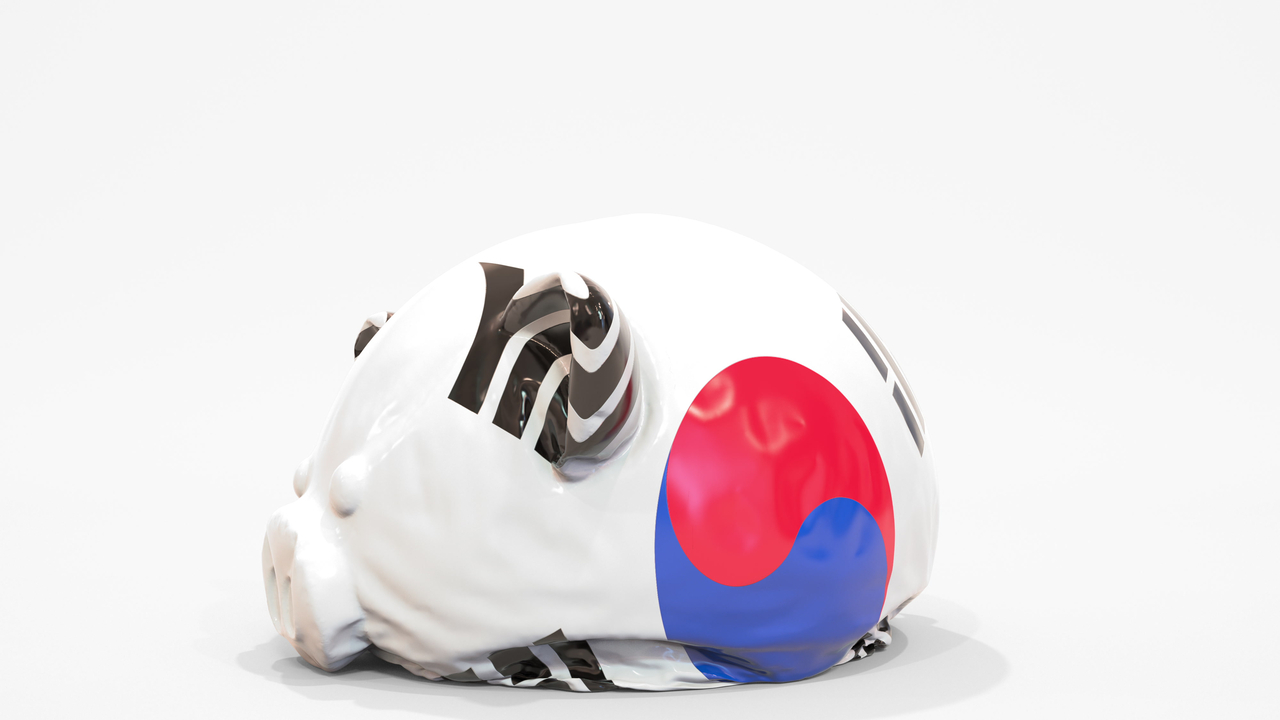
It is a paradox worthy of an economic textbook: South Korea's exports in September surged to their highest in 3 1/2 years, yet domestic consumption in August sagged to its lowest point in more than a year.
경제 교과서에 실릴 만한 역설이다. 9월 한국의 수출은 3년 반 만에 최고치를 기록했지만, 8월 국내 소비는 1년여 만에 최저 수준으로 떨어졌다.
On paper, outbound shipments soared 12.7 percent year-on-year to $65.9 billion, the highest September tally ever. But behind the record, the arithmetic is less flattering. With four more working days than last year, the daily average slipped by more than 6 percent.
겉으로 보기에 9월 수출액은 전년 동기 대비 12.7% 급증한 659억 달러로, 역대 9월 중 가장 높은 수치를 기록했다. 그러나 그 이면의 계산은 그리 아름답지 않다. 작년보다 조업일이 4일 더 많았던 탓에 일평균 수출액은 오히려 6% 넘게 줄었다.
South Korea's celebrated export engine looks less like a locomotive and more like a mirage shimmering above overheated asphalt.
한때 ‘수출 강국’이라 불리던 한국의 엔진은 이제 견인차라기보다, 뜨거운 아스팔트 위에서 아른거리는 신기루에 가깝다.
The glittering figure owed much to semiconductors. Memory chip prices pushed shipments to a record $16.6 billion, up 22 percent from a year earlier, making up nearly a quarter of total exports. Cars, too, held up respectably, diversifying beyond a shrinking US market. However, strip away chips and autos, and the outlook is softer. Such reliance on two product lines underscores the fragility of the export portfolio.
이 화려한 성적표는 반도체 덕분이었다. 메모리 가격 상승으로 반도체 수출은 전년 대비 22% 늘어난 166억 달러를 기록해 전체 수출의 4분의 1을 차지했다. 자동차도 선전하며 미국 시장 의존도를 줄였다. 그러나 반도체와 자동차를 제외하면 이야기는 달라진다. 두 품목에 지나치게 의존한 구조는 한국 수출 포트폴리오의 취약성을 여실히 보여준다.
External headwinds are mounting. Exports to the US slipped by 1.4 percent, with steel down 15 percent and automobiles down 2.3 percent. The reversal is hardly surprising, given that US tariffs have turned trade into a costly gamble. Where Korean exporters once enjoyed duty-free access, they now face levies of 15 percent or more.
대외 여건은 갈수록 거세지고 있다. 대미 수출은 1.4% 감소했고, 철강은 15%, 자동차는 2.3% 줄었다. 미국의 고율 관세로 교역이 ‘도박’이 되어버린 만큼, 이러한 역전은 놀랍지 않다. 과거 무관세 혜택을 누리던 한국 기업들은 이제 15% 이상의 관세 부담을 짊어지고 있다.
Crucially, steel and aluminum face a punitive 50 percent tariff, while Korean cars remain burdened by 25 percent — higher than the 15 percent applied to Japanese and European models. Unsurprisingly, auto shipments to the US fell. Seoul is currently trapped between defending multilateral norms and cutting bilateral deals for market access.
특히 철강과 알루미늄에는 50%의 징벌적 관세가, 한국산 자동차에는 일본·유럽산(15%)보다 높은 25%의 관세가 부과된다. 자동차 수출이 줄어든 것도 무리가 아니다. 서울은 현재 다자주의 규범을 지키려는 명분과, 양자협정을 통해 시장 접근을 확보해야 하는 현실 사이에서 난처한 선택에 놓여 있다.
Meanwhile, at home, consumers are tightening their belts. Retail sales fell 2.4 percent in August, the steepest decline in eighteen months. That reversal came just weeks after July’s “coupon-fueled rebound,” when a massive government handout briefly lifted spending. Nearly every Korean household took part, drawing down more than 9 trillion won ($6.4 billion). By August, the effect had vanished, leaving only a statistical whiplash and a hole in the public purse. To call it a stimulus is generous; it was more like bringing forward purchases that would have happened anyway.
한편 국내 소비자들은 허리띠를 바짝 졸라매고 있다. 8월 소매판매는 2.4% 감소하며 1년 반 만에 가장 큰 폭의 하락을 기록했다. 불과 한 달 전, 정부의 ‘민생회복 소비쿠폰’이 일시적 반등을 이끌었지만 효과는 오래가지 않았다. 전국 가구 대부분이 참여해 9조 원 넘게 소비했지만, 8월엔 그 효과가 완전히 사라졌다. 반짝 경기부양의 흔적만 남았을 뿐, 재정에는 구멍이 뚫렸다. 자극책이라 부르기엔 과한 표현이다. 실상은 어차피 이뤄졌을 소비를 앞당긴 데 불과했다.
paradox: 역설
textbook: 교과서
export: 수출
consumption: 소비
arithmetic: 계산, 산수
mirage: 신기루
shrink: 줄어들다
reliance: 의존
underscore: 강조하다
fragility: 취약성, 부러지기 쉬운
gamble: 도박
punitive: 처벌적
multilateral: 다자적
access: 접근
meanwhile: 한편
household: 가구
vanish: 사라지다
purchase: 구매
khnews@heraldcorp.com