In a quiet southern city known for its ancient tombs and golden pagodas, cranes now rise beside temple spires.
Lanterns are being strung across the lakeside streets of a tourist complex in Gyeongju, where heads of state will soon stroll beneath golden LED lights.
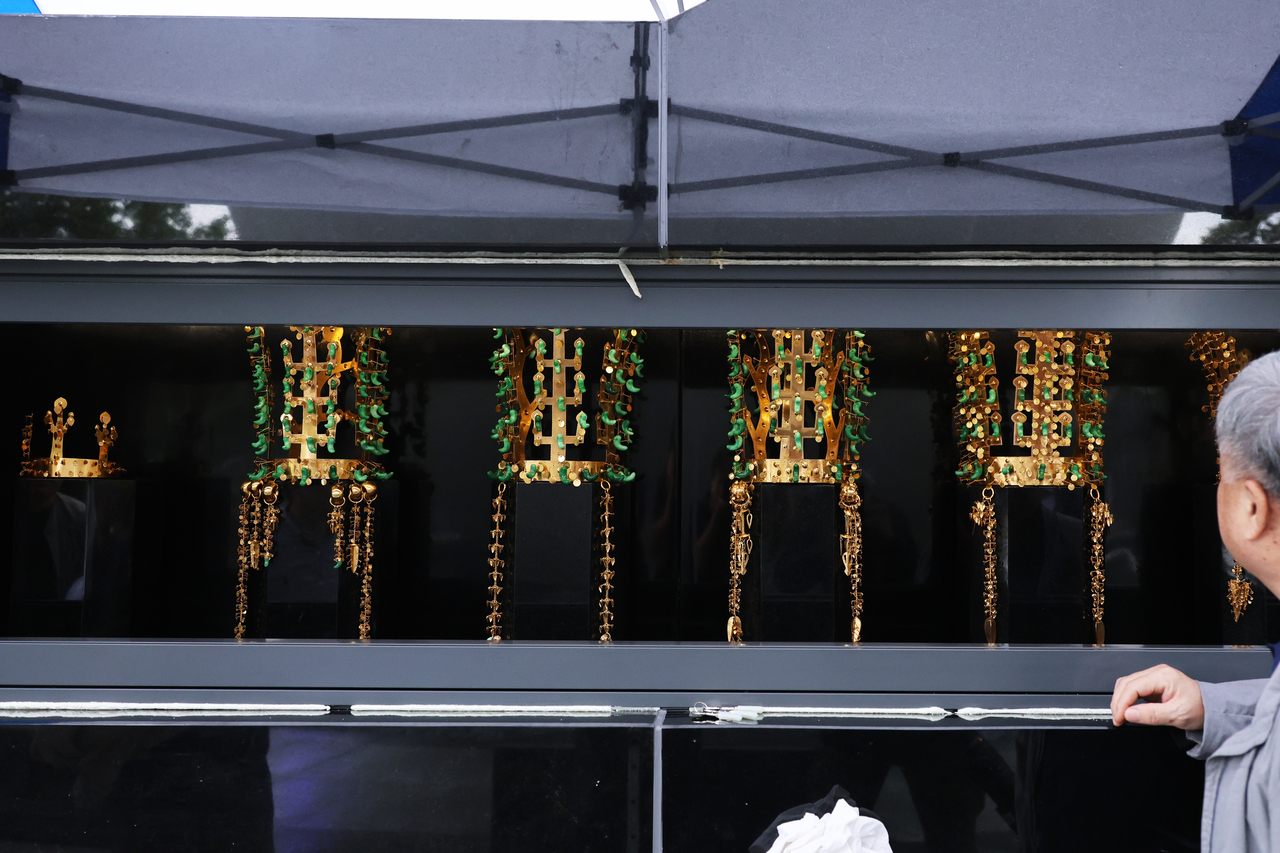
By the end of the month, this UNESCO-listed cradle of the Silla Kingdom (57 BC-AD 935) will take center stage in world diplomacy.
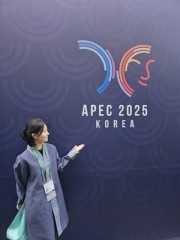
South Korea is preparing to host the Asia-Pacific Economic Cooperation Summit late this month, transforming Gyeongju, population 250,000, into a fortified meeting ground for presidents, prime ministers and business leaders from 21 member economies.
What would normally be a ceremonial gathering on trade and digital innovation has taken on new geopolitical weight amid resurgent tension between Washington and Beijing, and the possibility of a rare in-person meeting between US President Donald Trump and Chinese President Xi Jinping.
Between tombs and trade wars
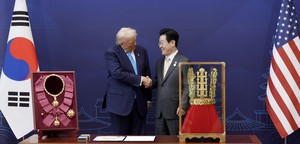
Officials in Seoul say they are in the final stages of arranging state visits by both the US and Chinese leaders, an extraordinary feat of protocol that could see the two men arrive in Korea on consecutive days. Trump is expected to hold a bilateral summit and state dinner with President Lee Jae Myung in Gyeongju on Oct. 29, followed by Xi’s visit and a South Korea-China summit the next day.
If confirmed, it would mark one of the rare occasions in which the leaders of the world’s two largest economies have visited the same nation back-to-back.
But the choreography remains delicate. Trade frictions have reignited between Washington and Beijing, and Seoul officials caution that the Trump-Xi meeting once expected on the APEC sidelines is still “under review.”
Meanwhile, Chinese Foreign Minister Wang Yi, who was expected to visit South Korea ahead of Xi’s trip to prepare for the visit, is now unlikely to do so due to domestic political events, observers say.
South Korean Foreign Minister Cho Hyun invited Wang to visit Seoul before the APEC Summit during their meeting in Beijing on Sept. 17.
North Korean leader Kim Jong-un will not be attending the APEC summit, despite Lee’s recent efforts to mend frayed ties with the North. Lee previously outlined a three-step plan for denuclearizing North Korea, starting with a halt to its nuclear and missile activities, which was rejected by Kim.
All eyes are also on the South Korea-US trade negotiations, tied to the US’ reciprocal tariff of 25 percent. Hopes are rising in Seoul that the negotiations — deadlocked for the past three months — could finally be concluded in tandem with the launch of the APEC summit.
South Korea and the United States reached a broad framework for a trade deal in late July. However, the two sides have been unable to finalize the agreement due to differences over details concerning Seoul’s promised $350 billion investment package in the US.
South Korea’s bid for a ‘K-APEC’ moment
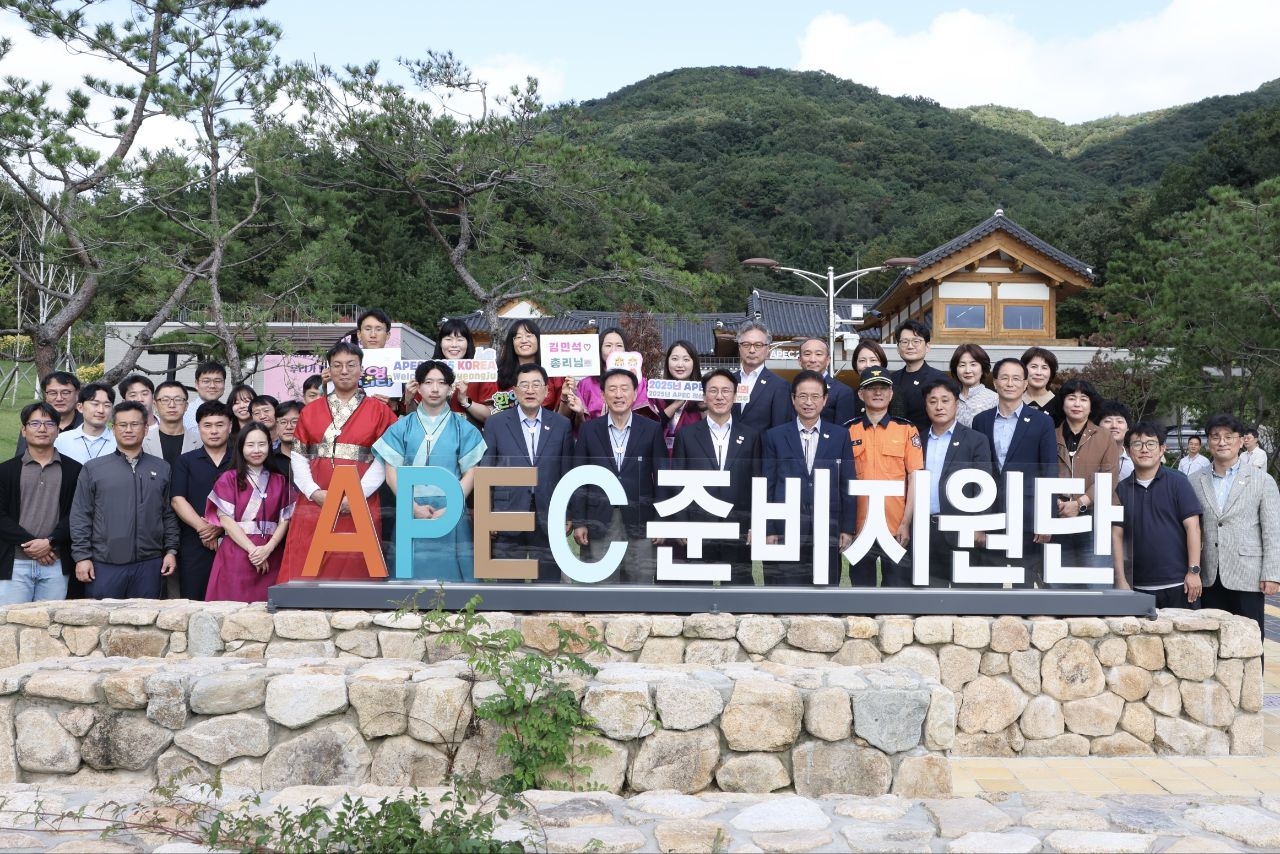
Prime Minister Kim Min-seok, who is in charge of planning the summit, has framed the event as a test of national prestige, describing it as “an opportunity to showcase the Republic of Korea’s dignity,” referring to South Korea by its official name.
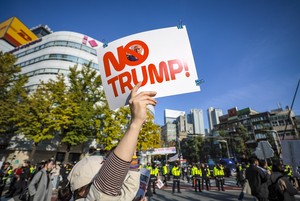
The prime minister’s office has ordered ministries to ensure that foreign national visitors “do not experience even a moment of discomfort or anxiety,” and to crack down on xenophobic demonstrations that might mar the country’s image.
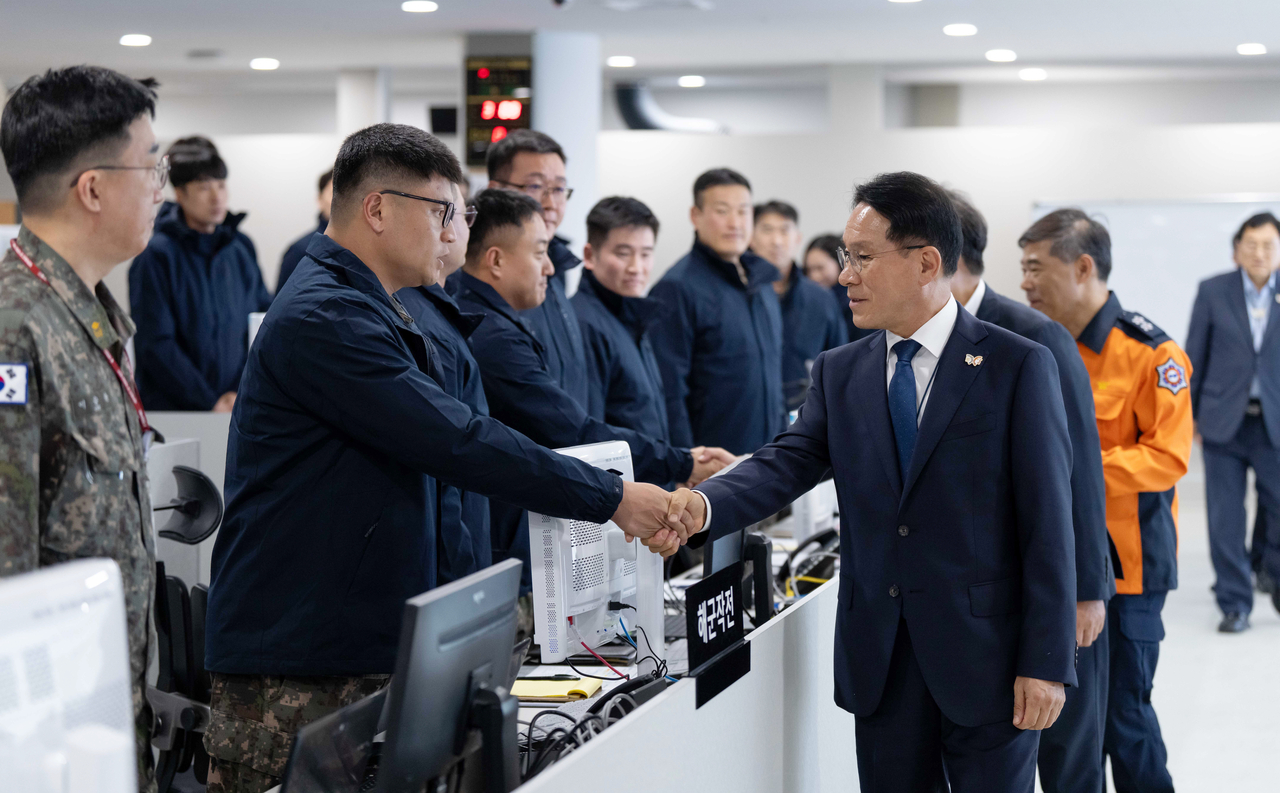
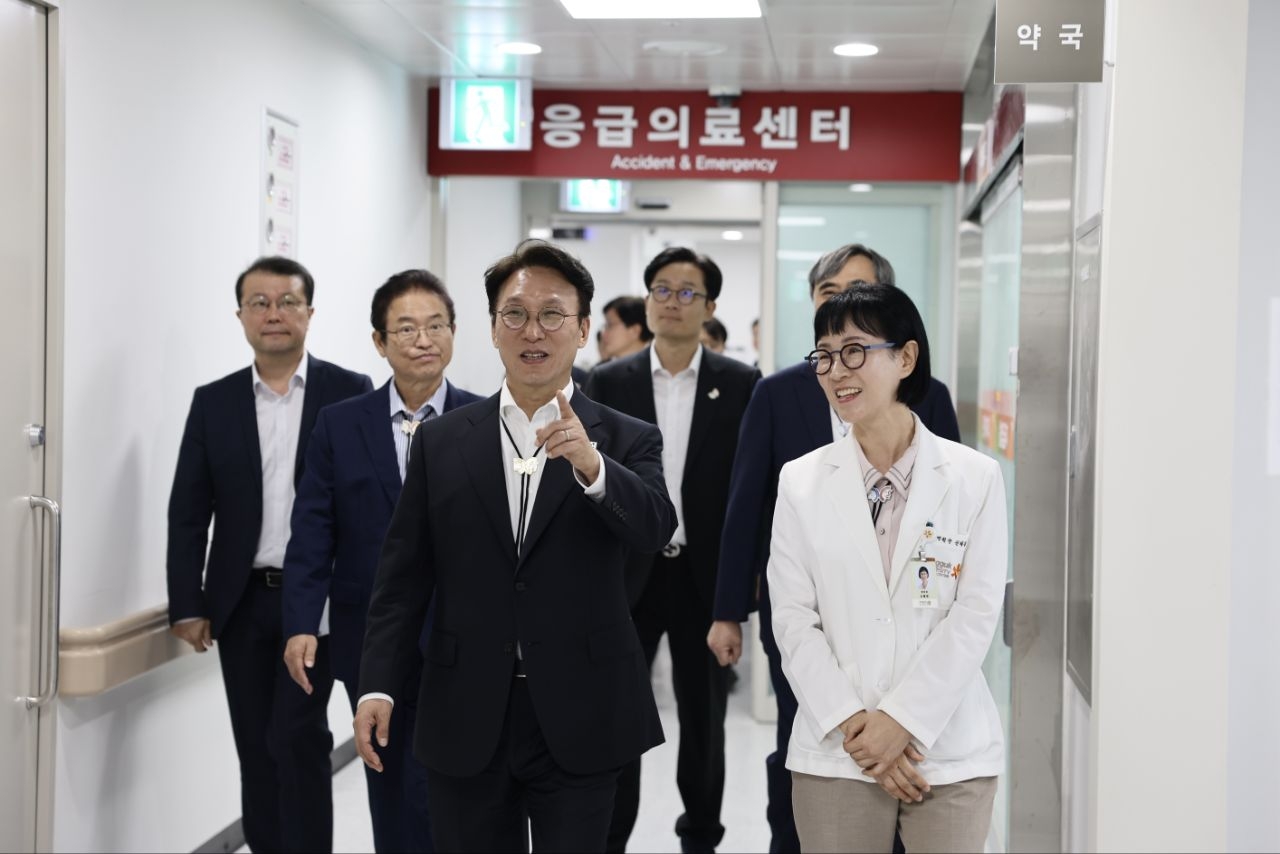
Kim, who has visited Gyeongju six times since taking office, has personally inspected hospitals, police detachments and the Hwabaek Convention Center, where leaders will meet. A newly remodeled emergency medical wing now stands ready with 333 staff members, five air ambulances and 29 partner hospitals on call.
Kim has also promised to use the occasion to highlight Hangeul, the Korean script created under King Sejong, calling it “a symbol of innovation and compassion.” During his Hangeul Day address in Seoul, he pledged to expand the global network of King Sejong Institutes that teach the Korean language and culture.
Local authorities are racing to ensure that Gyeongju dazzles as much as it performs diplomatically.
The “festival of light” project has turned the lakeside Bomun tourist complex into a shimmering nighttime panorama of 3-D projection mapping, laser shows and media-art facades retelling Silla’s founding myths.
“The wisdom and beauty of a 1000-year-old civilization are being reborn through the most modern language of light,” Gyeongju Governor Lee Cheol-woo recently said at a preview ceremony.
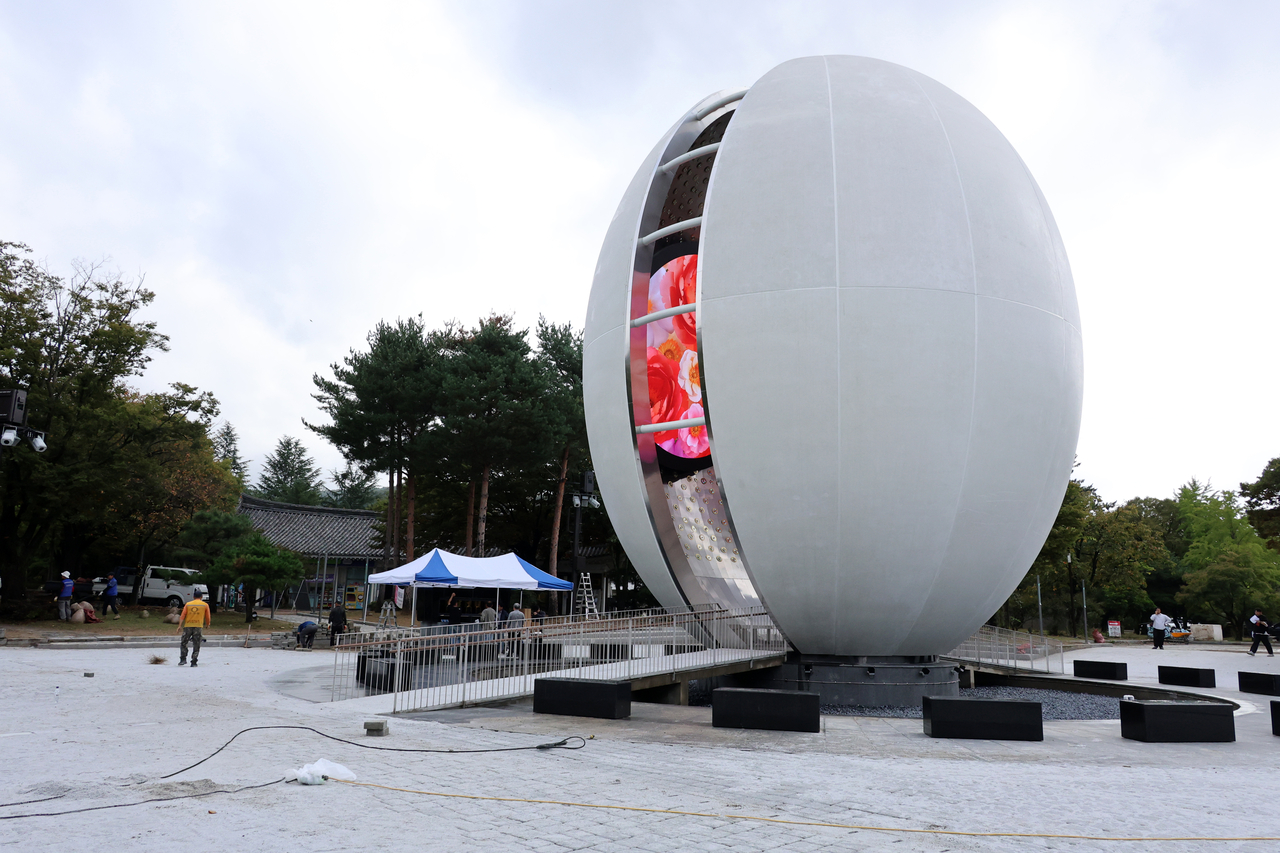
The province has spent about 15 billion won ($11 million) on lighting and sculptures, including a 15-meter monument based on the Silla legend of King Hyeokgeose hatching from an egg — a metaphor, officials say, for the rebirth of Gyeongju as a “global premium APEC city.”
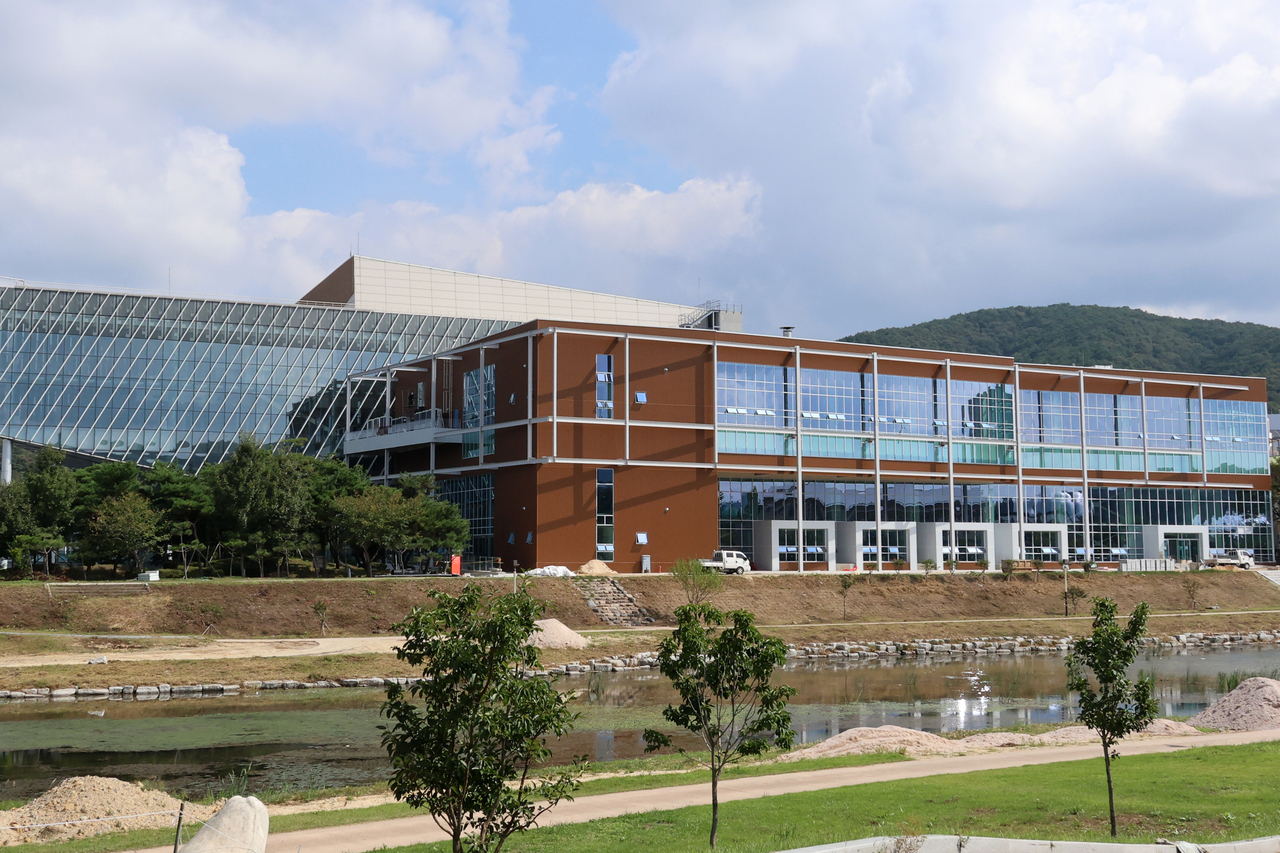
Elsewhere, workers have been testing translation devices, halal kitchens and shuttle-bus QR systems for the thousands of delegates expected to flood the small town’s narrow roads.
For a city better known for stone Buddha statues and cherry-blossom trails, the coming days will be unlike any in its long history. Streets have been repaved, security fences erected and gold-hued streetlights installed along the lake. Hotels that once catered to domestic tourists now display bilingual signs reading “APEC Partner Accommodation.”
The Seoul government insists the summit will be more than a spectacle — a demonstration that South Korea, amid shifting alliances and global unease, can host the world’s leaders with confidence and grace.
“APEC is not merely a diplomatic event,” Prime Minister Kim said. “It is a chance to show who we are as a nation.”
mkjung@heraldcorp.com