GYEONGJU, North Gyeongsang Province — The historic city of Gyeongju in North Gyeongsang Province will soon be in the global spotlight as it hosts the 2025 APEC Economic Leaders’ Meeting from Oct. 31 to Nov. 1. Once the capital of the ancient Silla Kingdom (57 BC to 935), Gyeongju has long been a city where the past and present seamlessly coexist, offering visitors a unique opportunity to explore Korea's rich cultural heritage while experiencing world-class hospitality.
Known as the "museum without walls," Gyeongju is home to countless UNESCO World Heritage Sites, including Bulguksa, Seokguram and Cheomseongdae. These sites, along with the city's vibrant street life, attract visitors from around the world. As the global community gathers in for the APEC summit, the city will not only showcase its historical legacy, but also its modern growth and international appeal.
A glimpse into the past: Cultural sites in Gyeongju
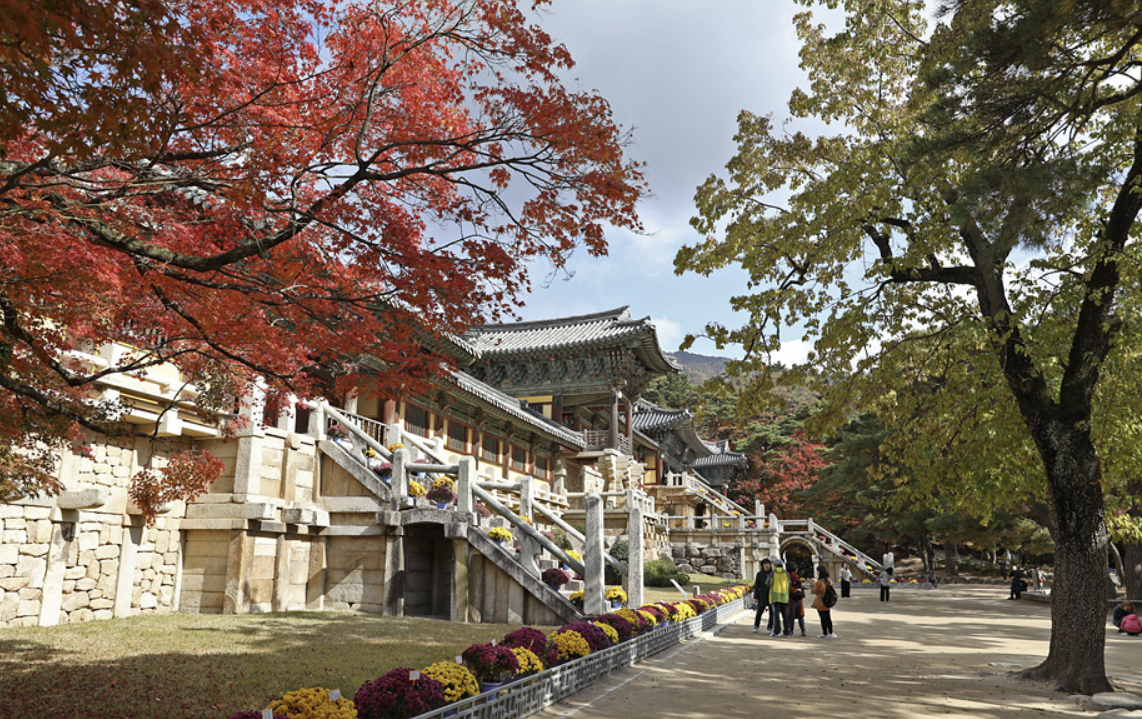
Gyeongju is an open-air museum, where each street and corner tells a story of its thousand-year history. The city's most iconic heritage sites include Bulguksa, a Buddhist temple that is a masterpiece of Silla architecture, which was designated as a UNESCO World Heritage Site in 1995. The temple's peaceful grounds are especially mesmerizing in the fall when leaves turn red and golden.
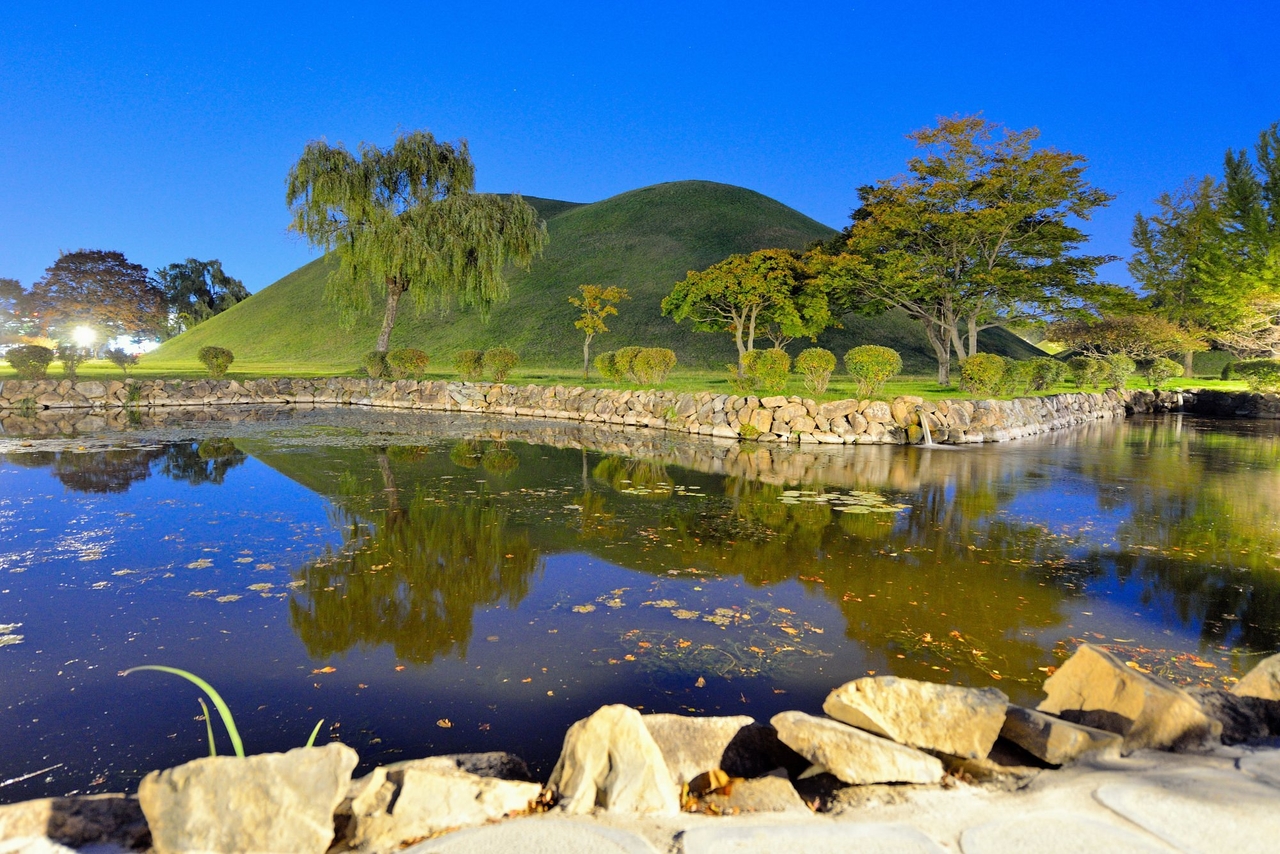
Another must-visit location is Daereungwon, the ancient tomb complex of the Silla royal family. Among its most famous tombs is Cheonmachong, which was named after an artifact — a saddle flap depicting a horse. The peaceful atmosphere of the tomb complex, with its scenic spots like the magnolia tree and bamboo forest, offers an excellent place for visitors to relax and reflect on Gyeongju's rich history.
For those interested in astronomy, Cheomseongdae, an observatory built during the reign of Queen Seondeok in the seventh century, is an essential stop. The observatory is one of the oldest surviving astronomical instruments in East Asia.
Hwangnidan Street: A blend of tradition and modernity
No visit to Gyeongju is complete without exploring Hwangnidan Street, a trendy neighborhood that blends modern cafes, restaurants and photo studios with the city’s traditional hanok architecture.
Originally an alleyway, the area has become a favorite for locals and tourists alike. As popular boy band Ateez recently noted, “Hwangnidan Street is a real hot hangout these days! You see these pretty hanok buildings lining the streets. If you like watching things, Gyeongju is a great place to visit.”
Located near key heritage sites such as Cheomseongdae and Cheonmachong, Hwangnidan Street is an ideal spot for a relaxing afternoon of sightseeing, shopping and enjoying Gyeongju’s signature dishes, including the famous Hwangnamppang. “Everyone in Ateez loves bread, and Gyeongju’s signature Hwangnamppang is especially one of our favorite snacks. It’s full of sweet red bean filling, so it goes really well with coffee. Don’t miss it on your next trip to Gyeongju!” the group enthusiastically shared.
The ultimate getaway: Sono Calm Gyeongju
As the 2025 APEC summit brings world leaders to Gyeongju, visitors seeking the finest accommodations need look no further than Sono Calm Gyeongju, a newly renovated resort that recently reopened on Sept. 26.
Previously known as Sono Bell Gyeongju, the resort completed a full redesign, offering a modern yet distinctly Korean aesthetic that showcases the region’s natural beauty and cultural heritage.
Jeong Jong-hun, executive director of Eastern Korea at Sono International, explained, “Sono Calm Gyeongju has been beloved for 19 years as Sono Bell Gyeongju. After a renovation investment of 170 billion won ($119 million), we are reopening it as a premium five-star resort. We’ve incorporated elements of Korean beauty into the design, with rooms featuring traditional elements, such as hanji paper windows and living rooms inspired by Korean verandas. The resort offers breathtaking views of Bomun Lake, providing the perfect setting for relaxation.”
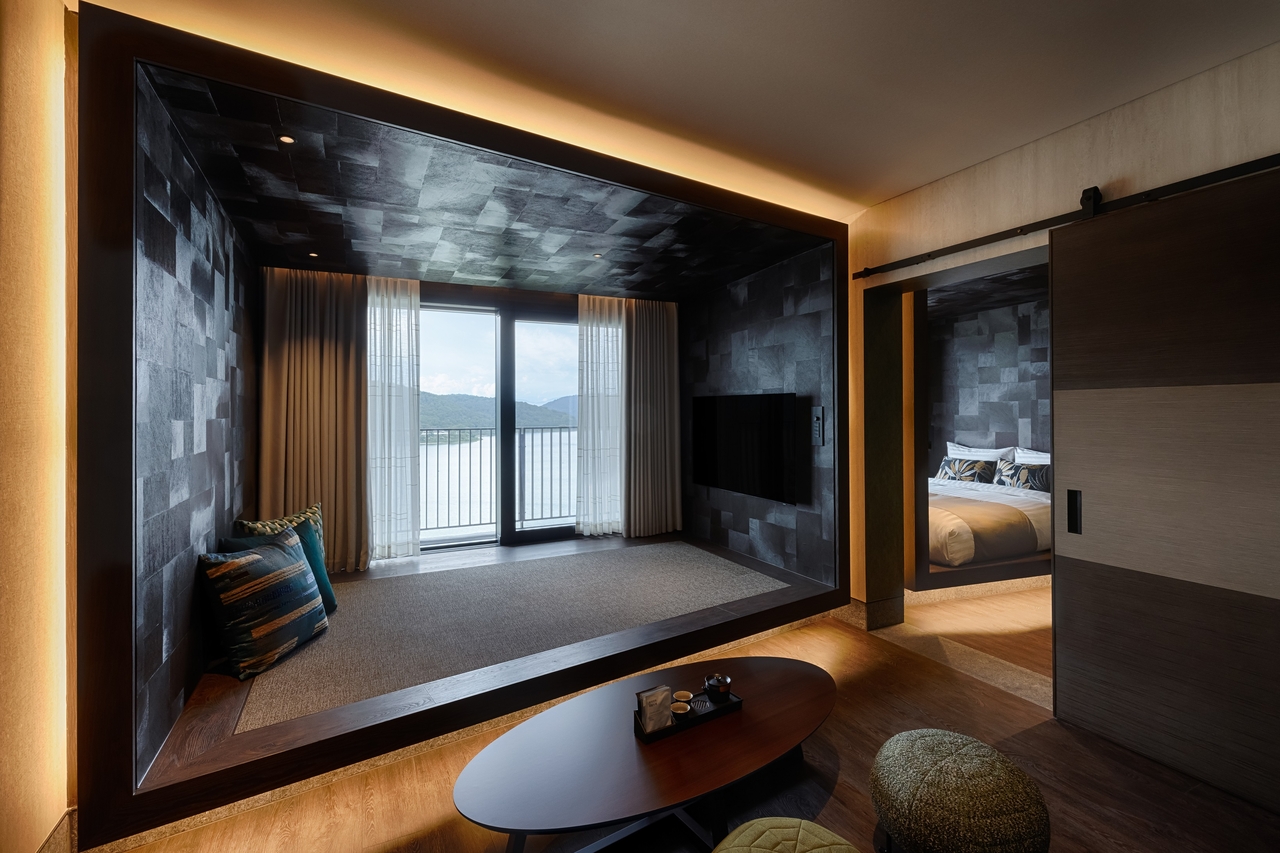
With a total of 418 rooms, including pet-friendly accommodations and a luxurious presidential suite, Sono Calm Gyeongju caters to a range of guests. The resort boasts six dining venues, including a buffet restaurant, a Korean dining room called Sodam and a bakery cafe with sweeping views of Bomun Lake.
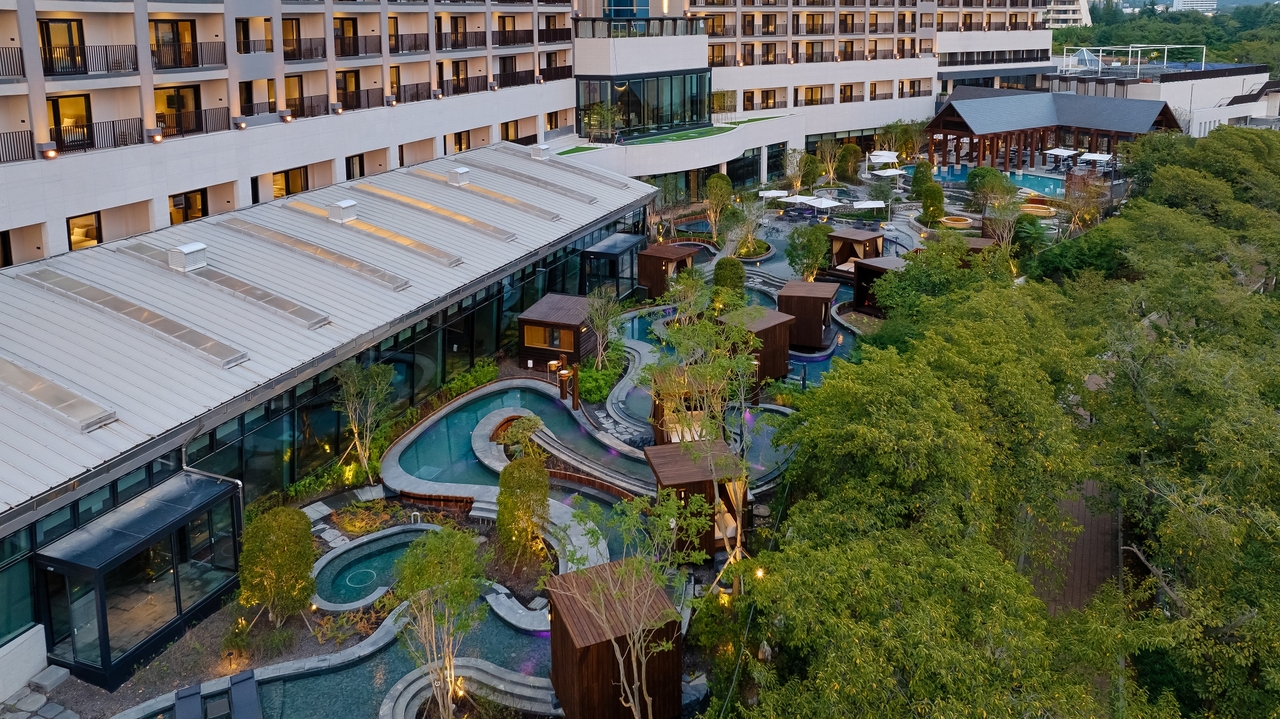
One of the resort's signature features is its wellness pool and spa, which uses alkaline thermal waters sourced from 680 meters underground. Guests can unwind in the main pool, rain pool or outdoor pool with views of Bomun Lake.
Sono Calm Gyeongju also offers versatile event spaces, including a grand ballroom that can host up to 400 guests, making it ideal for conferences and large-scale events. “Our facilities are designed to accommodate everything from intimate gatherings to grand celebrations,” Jeong added. “We’ve also created a cozy library cafe where guests can enjoy a quiet moment.”
As Gyeongju steps into the spotlight during the APEC summit, the city’s rich historical legacy and modern accommodations make it an ideal destination for both business and leisure travelers, offering a harmonious blend of the past, present and future.
yoohong@heraldcorp.com