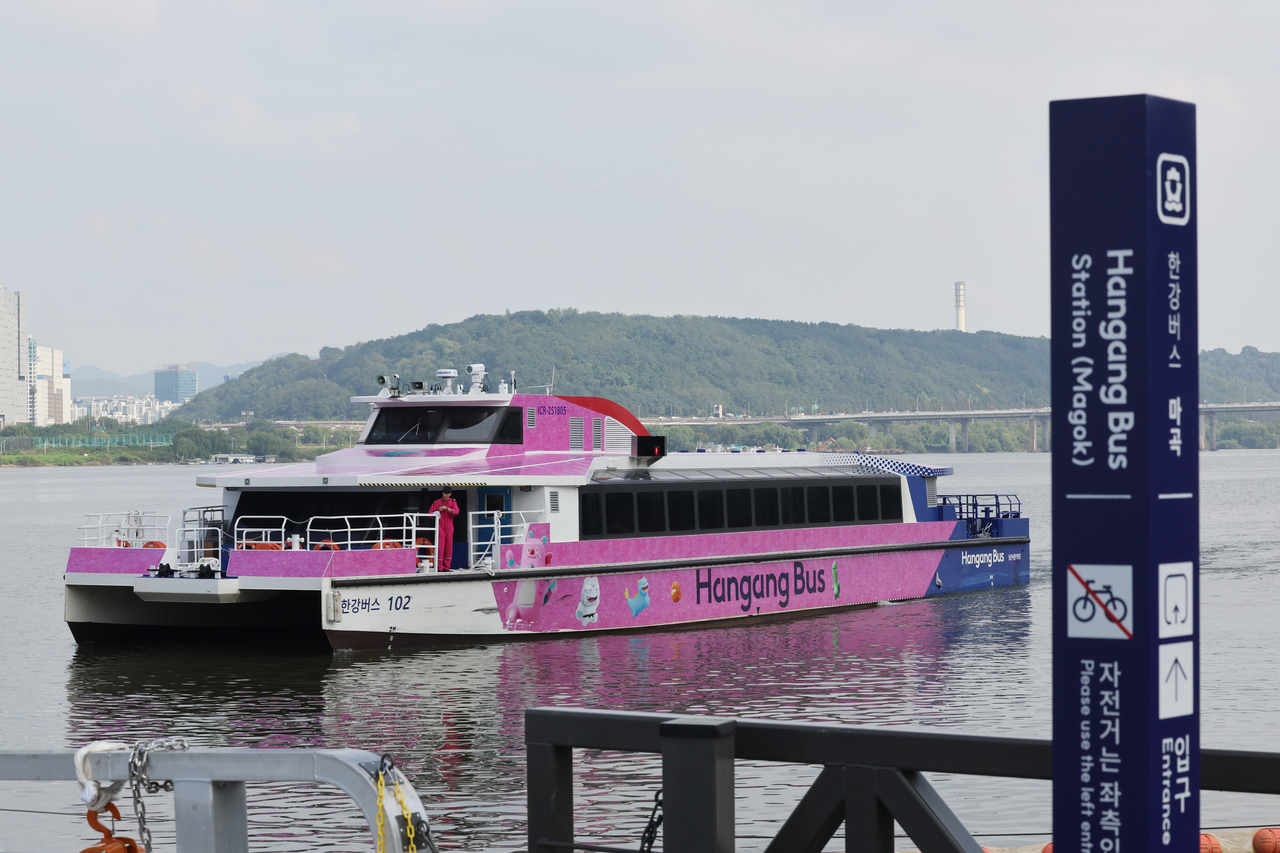
The image was meant to be triumphant: sleek vessels skimming across the Han River, ferrying office workers from Seoul’s eastern suburbs to the towers of Yeouido.
매끈한 선박들이 한강 위를 미끄러지듯 달리며 서울 동쪽 외곽에서 여의도의 마천루로 직장인들을 실어 나르는 모습. 원래 의도된 것은 이런 화려한 장면이었다.
Instead, what lingers are idle docks and grounded boats — the city’s much-heralded Hangang Bus service suspended only 10 days after its launch. Billed as emblematic of innovation, it has become a case study in haste, hubris and squandered trust.
그러나 남은 것은 텅 빈 선착장과 멈춰 선 배뿐이다. 개통 10일 만에 운행이 중단된 서울시의 ‘한강버스’ 사업은 혁신의 상징으로 홍보됐지만, 지금은 졸속·과신·신뢰 낭비의 전형으로 꼽힌다.
From the outset the project invited skepticism.
애초부터 회의론은 존재했다.
Commuters noted the ferry would be slower than the subway and hostage to capricious weather conditions on the river. The city pressed ahead, sidestepping a central government investment review by fragmenting the plan and committing more than 1.5 trillion won ($1.06 billion) in taxpayer funds. A pledge branded as a “flagship” policy of Mayor Oh Se-hoon became a political imperative.
출근길 시민들은 한강버스가 지하철보다 느리고, 강의 변덕스러운 기상 조건에 휘둘릴 수밖에 없다고 지적했다. 그러나 서울시는 중앙정부의 투자 심사를 피하려 계획을 쪼개 밀어붙였고, 1조5천억 원이 넘는 세금을 투입했다. 오세훈 시장의 ‘간판 정책’으로 포장된 이 공약은 곧 정치적 필수과제가 됐다.
The failures came swiftly.
실패는 금세 드러났다.
Within days of the official Sept. 18 launch, vessels were hobbled by electrical faults, rudder malfunctions and even blocked toilets. Heavy rain and dam discharges further disrupted schedules, exposing the fragility of a system tied to unpredictable waters. On Monday, city officials suspended passenger service for a month of “no-passenger trial runs,” in a particularly inspired bureaucratic sleight of hand.
9월 18일 공식 개통 며칠 만에 선박들은 전기 결함, 조타기 고장, 화장실 막힘 등 각종 문제에 시달렸다. 집중호우와 댐 방류로 운항 일정이 흔들리며, 자연조건에 취약한 시스템의 민낯도 드러났다. 결국 시는 지난 월요일 승객 운행을 전면 중단하고 ‘무승객 시범운항’을 한 달간 진행하겠다고 발표했다. 사실상 관료적 눈속임에 불과했다.
That inversion revealed more than poor logistics. It exposed a governing style that prizes ribbon-cutting over resilience. Mayor Oh apologized, saying he was “sorry to the people.” By insisting the mishaps were mere “technical defects,” however, he left the impression of evasion. The apology felt more like performance than reckoning.
문제는 단순한 운영 실패에 그치지 않는다. 리본 커팅을 실질보다 앞세우는 행정 방식이 드러난 것이다. 오 시장은 국민께 “죄송하다”고 사과했지만, 문제를 단순한 “기술적 결함”으로 치부해 회피하는 인상을 남겼다. 그 사과는 성찰보다는 보여주기에 가까웠다.
Politics rushed to fill the void. Lawmakers from the ruling Democratic Party of Korea denounced the scheme as “slapdash showcase politics” and a “bottomless pit” for public money, recalling Oh’s earlier “Han River Renaissance” projects — floating islands, water taxis — that drew similar doubts. Supporters in the mayor's own main opposition People Power Party praised the suspension as responsible leadership, saying Oh put safety before pride. Both sides miss the point that the real costs fall on the people of the city who absorb disrupted commutes, wasted fares and diminished faith in public administration.
정치는 곧바로 개입했다. 더불어민주당은 이번 사업을 “날림 전시행정”이자 “밑 빠진 독에 물 붓기”라고 비판하며, 플로팅 아일랜드와 수상택시 등, 비슷한 의혹을 불러일으켰던 오 시장의 '한강 르네상스' 사업들을 떠올렸다. 반면 국민의힘은 안전을 자존심보다 우선한 ‘책임 있는 결정’이라며 운행 중단을 옹호했다. 그러나 양측 모두 간과한 것이 있다. 진짜 비용은 시민이 떠안는다는 점이다. 불편해진 출퇴근길, 허비된 요금, 그리고 공공 행정에 대한 신뢰 손실이 바로 그것이다.
vessel: 선박
suburb: 외곽
idle: 가동되지 않는
haste: 서두름
squander: 낭비하다
skepticism: 회의론
capricious: 변덕스러운
sidestep: 피하다
fragment: 쪼개다
failure: 실패
swiftly: 신속하게
block: 막다
bureaucratic: 관료적인
apologize: 사과하다
defect: 결함
evasion: 회피
cost: 비용
fare: 요금
faith: 신뢰
khnews@heraldcorp.com