The number of general practitioners opening clinics in South Korea has grown sharply amid a prolonged standoff between the government and the medical community, with the vast majority focusing on dermatology.
정부와 의료계 간의 장기 대치 속에서 한국에서 의원을 개원하는 일반의들의 수가 급격히 증가했으며, 그 대다수는 피부과에 집중하고 있다.
Data obtained by Rep. Jeon Jin-sook of the Democratic Party of Korea from the Health Insurance Review and Assessment Service showed that 176 new general clinics were established between January and July this year, a 36.4 percent increase from 129 during the same period in 2024.
더불어민주당 전진숙 의원이 건강보험심사평가원에서 받은 자료에 따르면, 올해 1월부터 7월까지 새로 개설된 일반의원은 176곳으로, 2024년 같은 기간의 129곳보다 36.4% 증가했다.
In South Korea, general practitioners are doctors who obtain a medical license after graduating from medical school and passing the national exam, but who do not complete a residency program.
한국에서 일반의는 의과대학을 졸업하고 국가시험에 합격해 의사 면허를 취득했지만, 레지던시 과정을 밟지 않은 의사를 말한다.
Unlike board-certified specialists, they cannot use or advertise with specialty titles such as “otolaryngology clinic.”
전문의 자격을 가진 의사와 달리, 이들은 “이비인후과 의원”과 같은 전문 진료과 명칭을 사용할 수도, 광고할 수도 없다.
However, they are authorized to diagnose and treat a wide range of conditions and may open general practice clinics that cover any medical field, depending on the equipment and facilities available.
하지만 이들은 다양한 질환을 진단하고 치료할 수 있으며, 보유한 장비와 시설에 따라 어떤 진료과목이든 일반의원을 개설할 수 있다.
Specialists, which the country tends to place a higher value on, by contrast, must complete both an internship and residency training before passing a board exam to receive certification in a specific field.
반면, 한국에서 더 높은 가치를 두는 전문의는 인턴 과정과 레지던시 과정을 모두 마친 뒤 전문과목 자격시험에 합격해야 특정 분야의 인증을 받을 수 있다.
The rise in general practices has coincided with last year’s mass resignations of residents in protest of medical school quota expansions.
일반의원 증가 현상은 지난해 의대 정원 확대에 반발한 전공의들의 대규모 사퇴 사태와 시기를 같이한다.
While a majority of trainees have since returned, restoring residency numbers to about 76.2 percent of prestrike levels, some who left are believed to have abandoned training altogether and instead opened general clinics.
이후 대다수 수련의들이 복귀해 레지던시 인원이 파업 전의 약 76.2% 수준까지 회복했지만, 일부는 훈련을 완전히 포기하고 대신 일반의원을 개원한 것으로 보인다.
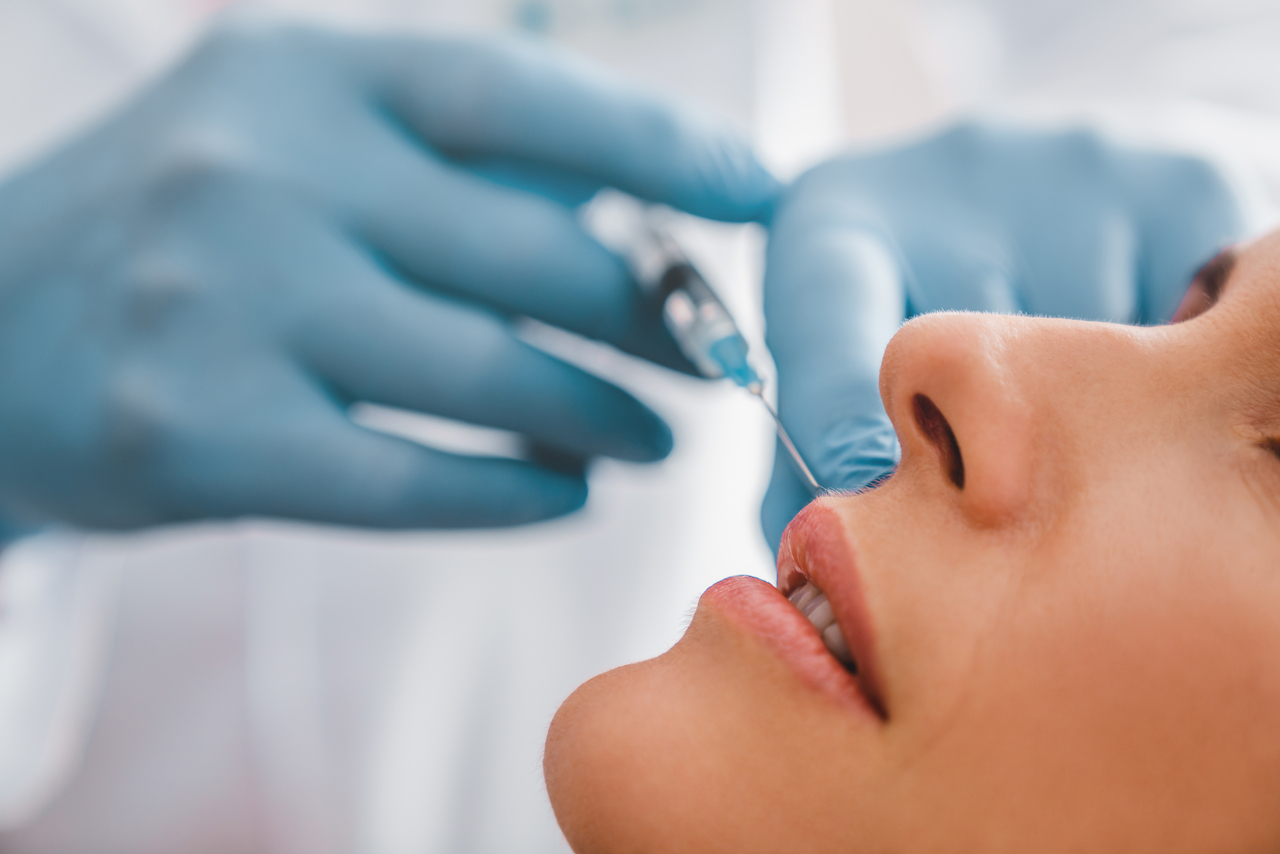
The 176 new clinics opened this year registered an average of 2.4 treatment fields each, with dermatology accounting for 146 filings, or 83 percent of the total.
올해 새로 문을 연 176개 의원은 평균 2.4개의 진료 과목을 신고했으며, 그중 피부과가 146건으로 전체의 83%를 차지했다.
Plastic surgery followed with 49, family medicine 42, internal medicine 33 and orthopedics 30.
그 뒤를 성형외과 49건, 가정의학과 42건, 내과 33건, 정형외과 30건이 이었다.
The concentration reflects a broader trend.
이 같은 집중 현상은 더 넓은 추세를 반영한다.
Dermatology and plastic surgery are considered “popular specialties” because of their high demand for nonreimbursed cosmetic procedures that fall outside the national insurance system.
피부과와 성형외과는 국민건강보험이 적용되지 않는 미용 시술의 수요가 높아 “인기 진료과”로 여겨진다.
These fields tend to offer higher profits and lower legal risks than other fields.
이 분야들은 다른 진료과에 비해 수익은 높고 법적 위험은 낮은 경향이 있다.
Some board-certified specialists are also reportedly opening clinics under the status of general practitioners to provide dermatology services instead of pursuing the specialty they spent years to acquire.
일부 전문의 자격을 가진 의사들조차 수년간 쌓은 전문과목 대신 피부과 진료를 하기 위해 일반의 신분으로 의원을 개원하는 것으로 전해졌다.
Regional disparities were also evident.
지역 격차도 뚜렷했다.
Nearly 70 percent of new clinics were concentrated in the Seoul metropolitan area, with 72 in Seoul, 39 in Gyeonggi Province and 12 in Incheon.
신규 의원의 약 70%가 수도권에 집중됐으며, 서울 72곳, 경기 39곳, 인천 12곳이었다.
Gangnam-gu and Seocho-gu in southern Seoul together accounted for more than one-fifth of the total.
서울 강남구와 서초구만 해도 전체의 5분의 1 이상을 차지했다.
“The return of residents has been concentrated in popular specialties, and now new general clinics are showing the same trend, creating deeper polarization,” Rep. Jeon said.
전 의원은 “전공의들의 복귀가 인기 진료과에 집중되더니, 이제 신규 일반의원 개설마저 같은 추세를 보여 의료 양극화가 더 심화되고 있다”고 말했다.
“Policies are needed to prevent further gaps in essential medical care.”
“필수 의료 공백을 막기 위한 정책이 필요하다.”
Standoff: 대치, 대립
residency: 레지던시, 전문의 수련 과정
diagnose: 진단하다
coincided: 동시에 발생했다, 일치했다
abandoned: 포기한, 버린
concentration: 집중, 밀집
disparities: 격차, 불균형
polarization: 양극화
khnews@heraldcorp.com