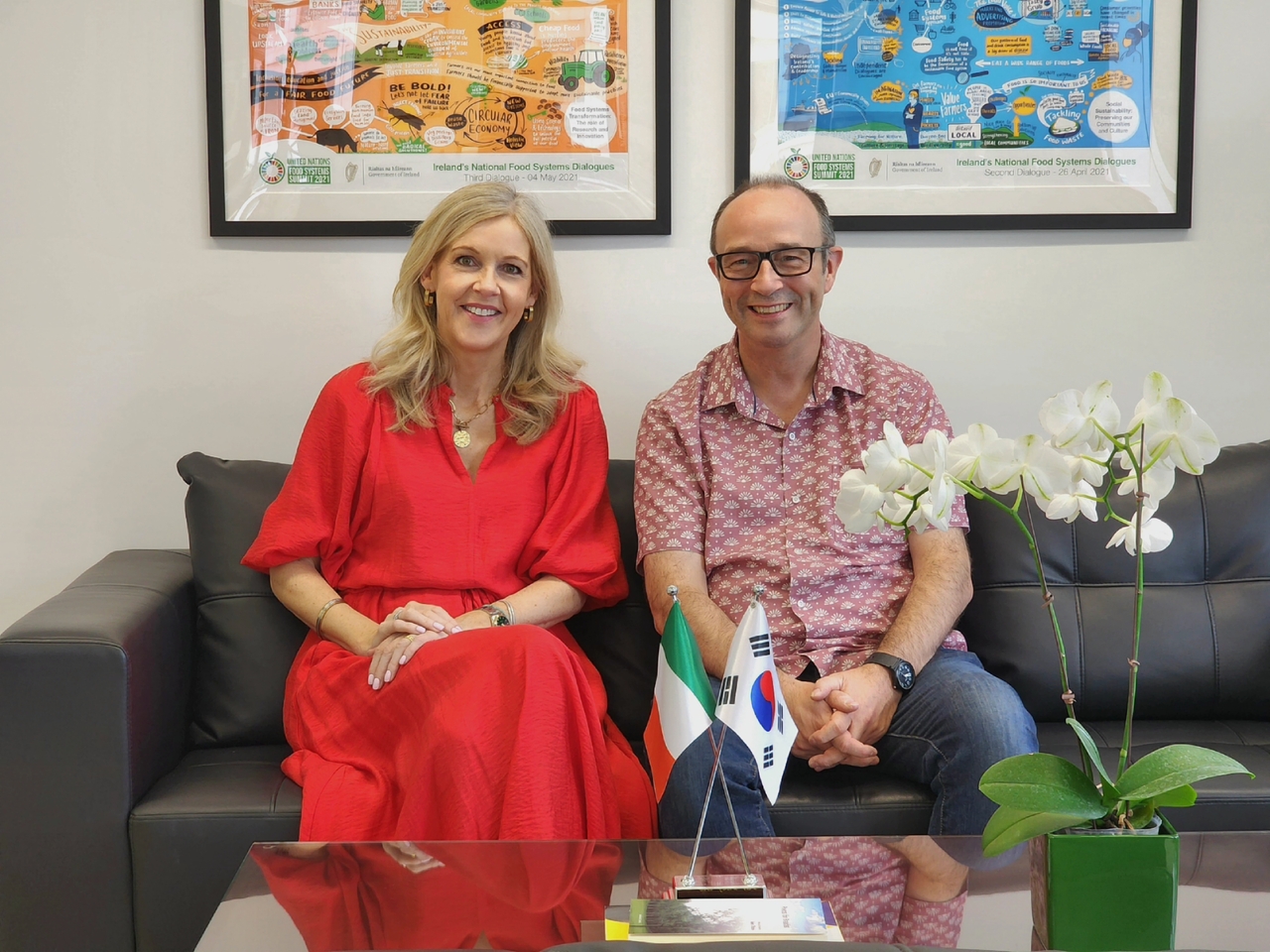
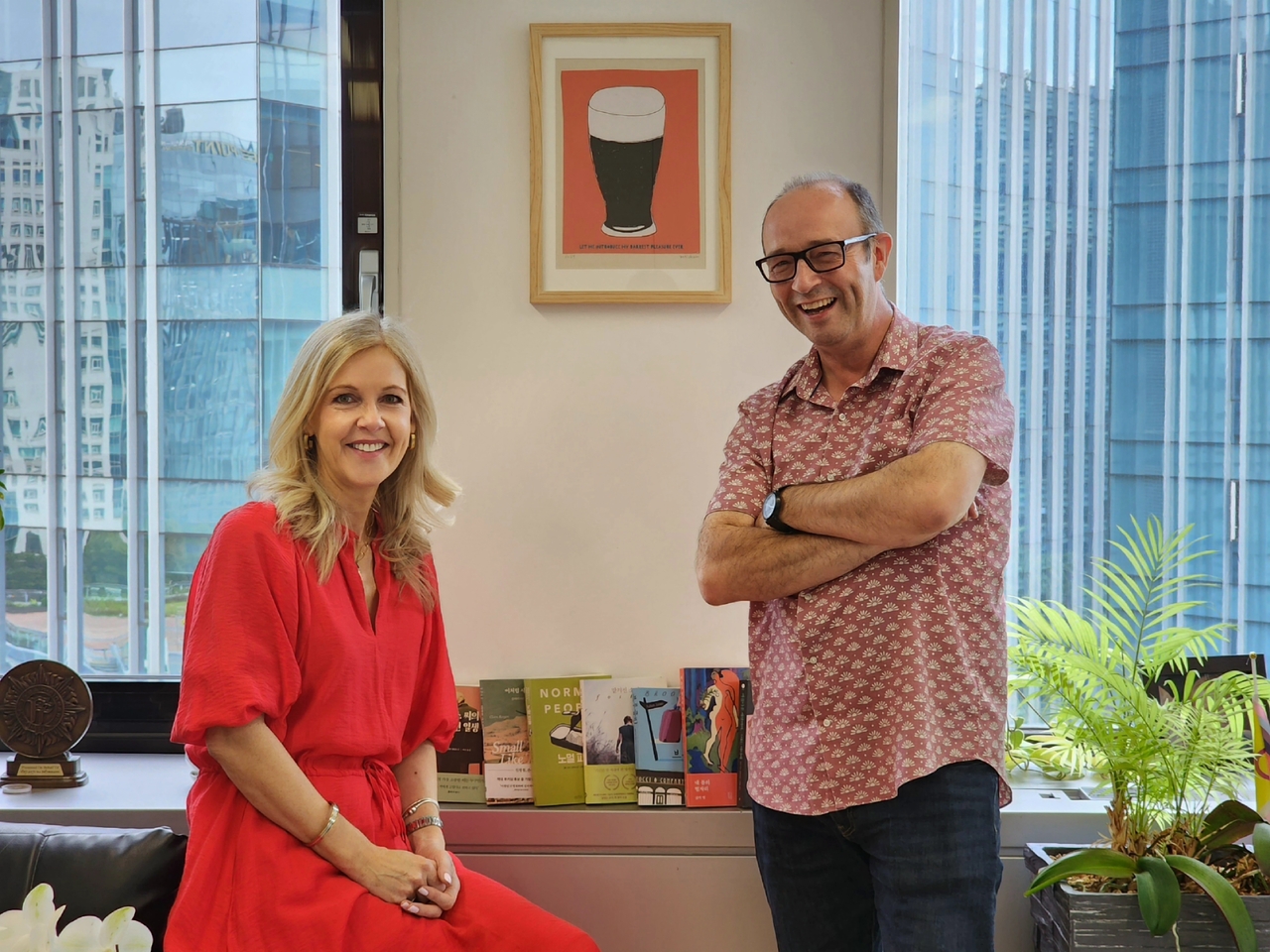
Irish authors Sinead Moriarty and Alan Nolan, who were in Seoul attending the third edition of the Irish Literature Festival, sat down for an interview with The Korea Herald on Sept. 12 to discuss their recent releases, inspirations and the creative process behind their storytelling. The annual festival, which ran Sept. 12-14, was organized by the Irish Embassy in Korea and the Seoul Metropolitan Library. — Ed.
Turning family chaos into storytelling
Watching HBO’s drama series "Succession," Moriarty found herself focused not on the patriarch Logan Roy, but on the perspective of those caught in his family orbit.
“Logan Roy is a horrible character (who) plays his children off each other, and I was thinking, 'What if it were a woman and she was playing her sons off each other?'” Moriarty said.
“Then I thought, wouldn't it be more interesting to get the perspective of their wives?”
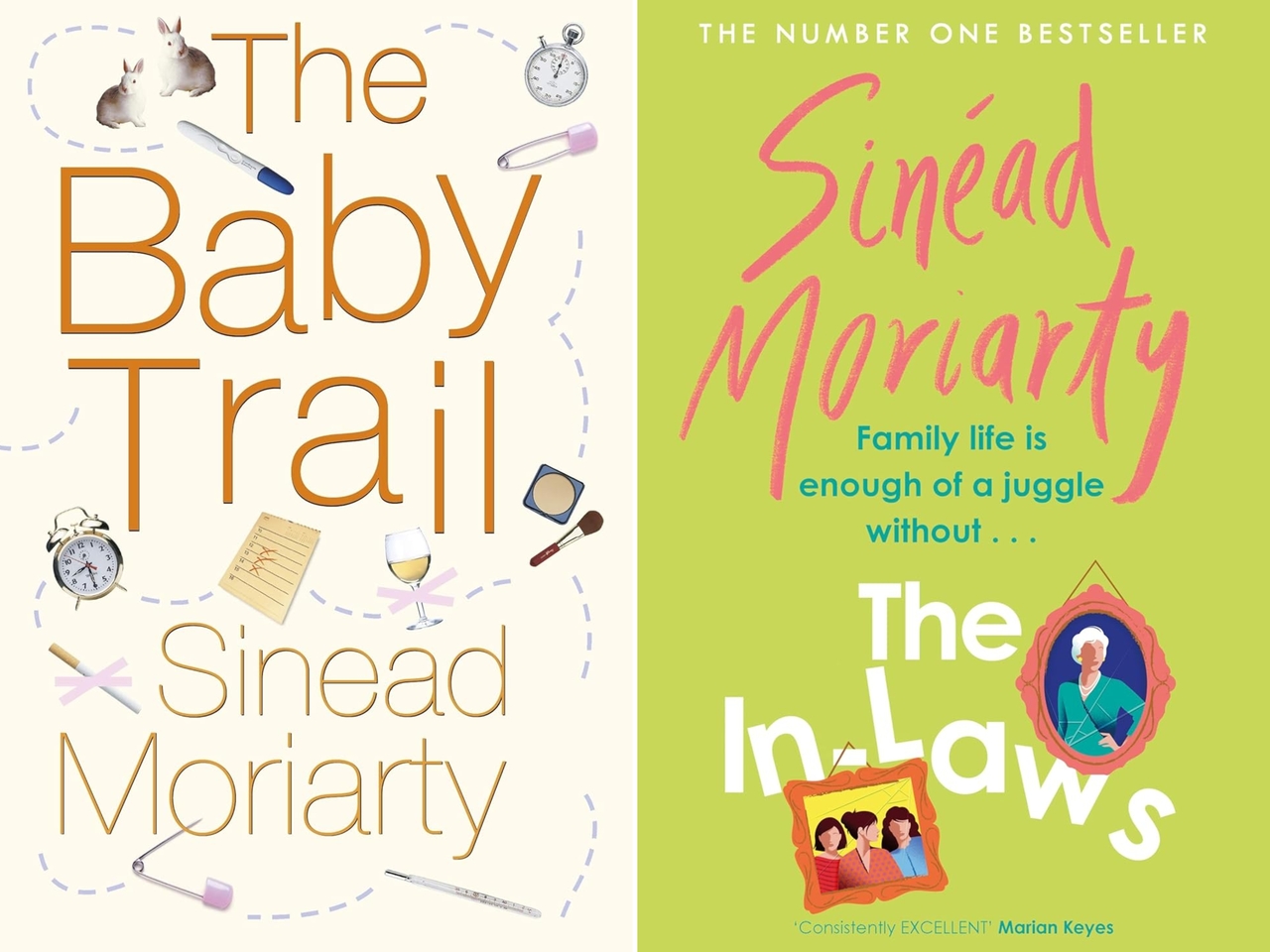
That spark of an idea became "The In-Laws," Moriarty’s 18th novel published in July and her latest dive into the complications of family life.
The book follows three very different women who share one formidable obstacle: their domineering mother-in-law. When a crisis threatens the family business, the sisters-in-law — reluctant allies at first — realize they stand a better chance if they unite.
“In-laws are really interesting, and it can be tricky because they’re not your family and you haven’t chosen them. You just get dumped with them by marriage,” she said.
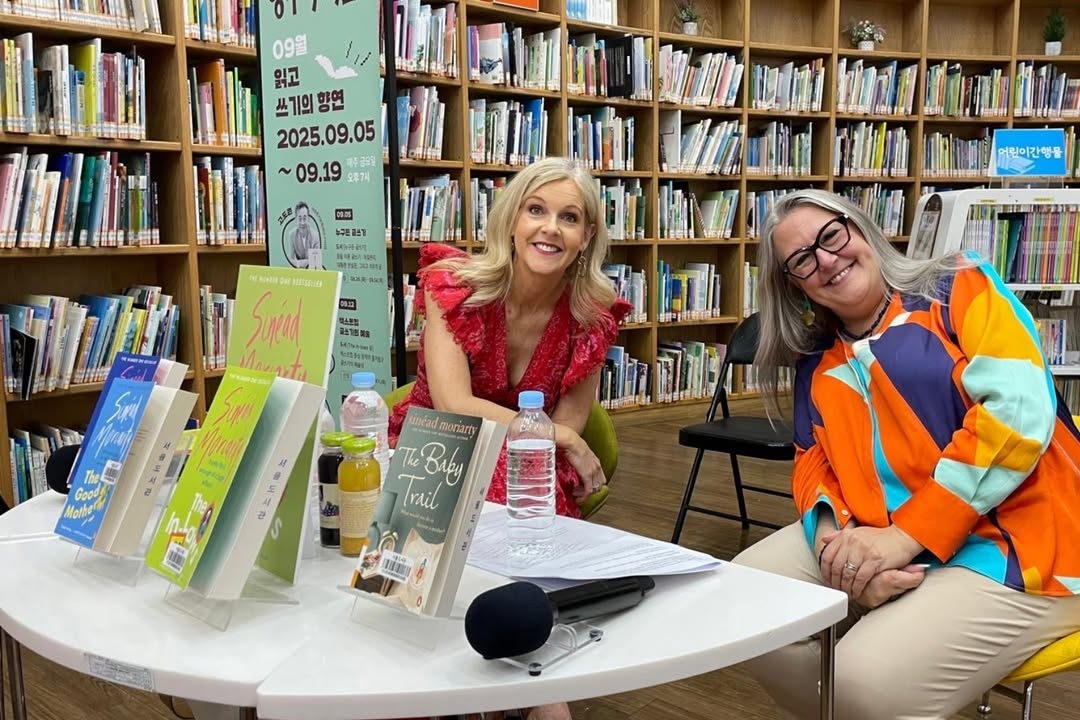
Family, in all its messy, subtle and sometimes heartwarming forms, has long been Moriarty’s focus. She has published 18 novels and four children’s books that touch on infertility, grief, euthanasia and the frictions of motherhood and sisterhood. Her novels have sold over 900,000 copies in Ireland and the UK.
“Everybody has a family, and every family has complications. I think that’s why people can relate,” she said.
With more than 20 books to her name, the prolific writer remains passionate about her craft. “I write every day. I’m very disciplined, very routine, and I don’t want to do anything else. I don’t think this is a sacrifice. I’m happy writing.”
Writing, for Moriarty, has also been a way of turning personal struggle into connection. Her first book, “Baby Trail” grew out of her own experience with infertility.
“It was an awful and lonely process, but I thought maybe I could make it funny, sad, bittersweet,” she recalled. “(The writing) was very therapeutic. And I began to get letters from all over the world saying it helped them feel less alone. That’s exactly what I was trying to do.”
Her latest concern, however, has less to do with her own output than with whether the next generation of readers will still be there.
Moriarty recalled being deeply troubled by a recent British report from Nielsen and HarperCollins, which found that only 40 percent of parents with children ages 0 to 13 agreed that “reading books to my child is fun for me.”
“Reading to your child before bed is the most magical thing you can possibly do. If parents aren’t willing to do that, there’s no hope,” she said. “Everyone has to invest in keeping children reading — parents, teachers, schools, governments — because it's an awful battle.”
She said her three children were avid readers until they got phones, and then it was over. “They’re slowly coming back, but we are fighting against technology, which is so addictive and so attractive. We really have to do more.”
On the positive side, Moriarty sees cause for optimism thanks to brilliant young writers bringing people back to books. She has also noticed a growing pushback against lives spent entirely on screens.
“I heard about the trend here called ‘text hip,’ which I think is starting to make a difference,” she said. “People are beginning to switch off from technology for a while. We’re seeing a similar trend in Ireland — slowly, slowly. People are just tired of staring at screens all the time, so I’m kind of hoping it will continue to grow.”
Bringing Dublin’s past to life
Nolan has a knack for turning history into adventure. His latest children’s book, "Grand Central Cinema Club," released this month, transports readers to Dublin in 1937 — a city on the brink of global upheaval yet alive with the dreams of its youngest inhabitants.
“The book is set just before the Second World War,” Nolan explained. “Ireland was neutral at the time, but throughout the book, there are little seeds (of what’s to come). It’s not about the war, though — it’s about kids from different social backgrounds meeting at the cinema every Saturday morning.”
In a time before television and mobile devices, Dubliners flocked to one of the city’s picture houses to watch cartoons, newsreels and feature films. For Nolan’s characters, these cinemas become gathering spots, incubators of friendship and the backdrop for ambitious dreams of becoming filmmakers themselves.
“And of course, there’s always a bit of crime involved — robberies and heists. There’s also a series of heists happening across Europe that are getting closer and closer to Dublin. I love writing that stuff,” he added.
The approach mirrors his earlier Molly and Bram series, set further back in the 1800s, when Dublin had no electricity, cars or motorbikes.
“I’m a big history fan. I love Irish history, and I love setting stories back then because in some ways it’s simpler."
Nolan explained that if you set a story in modern times, technology moves so quickly that books can date almost instantly.
"I thought, I’m never going to be able to keep up. Go back to a simpler time where kids could actually get lost — the past is more exciting," he said. “I think it’s nice to give modern kids a taste of what life was like back then. Dublin is a very old city, and a lot of things that stood hundreds of years ago are still there today.”
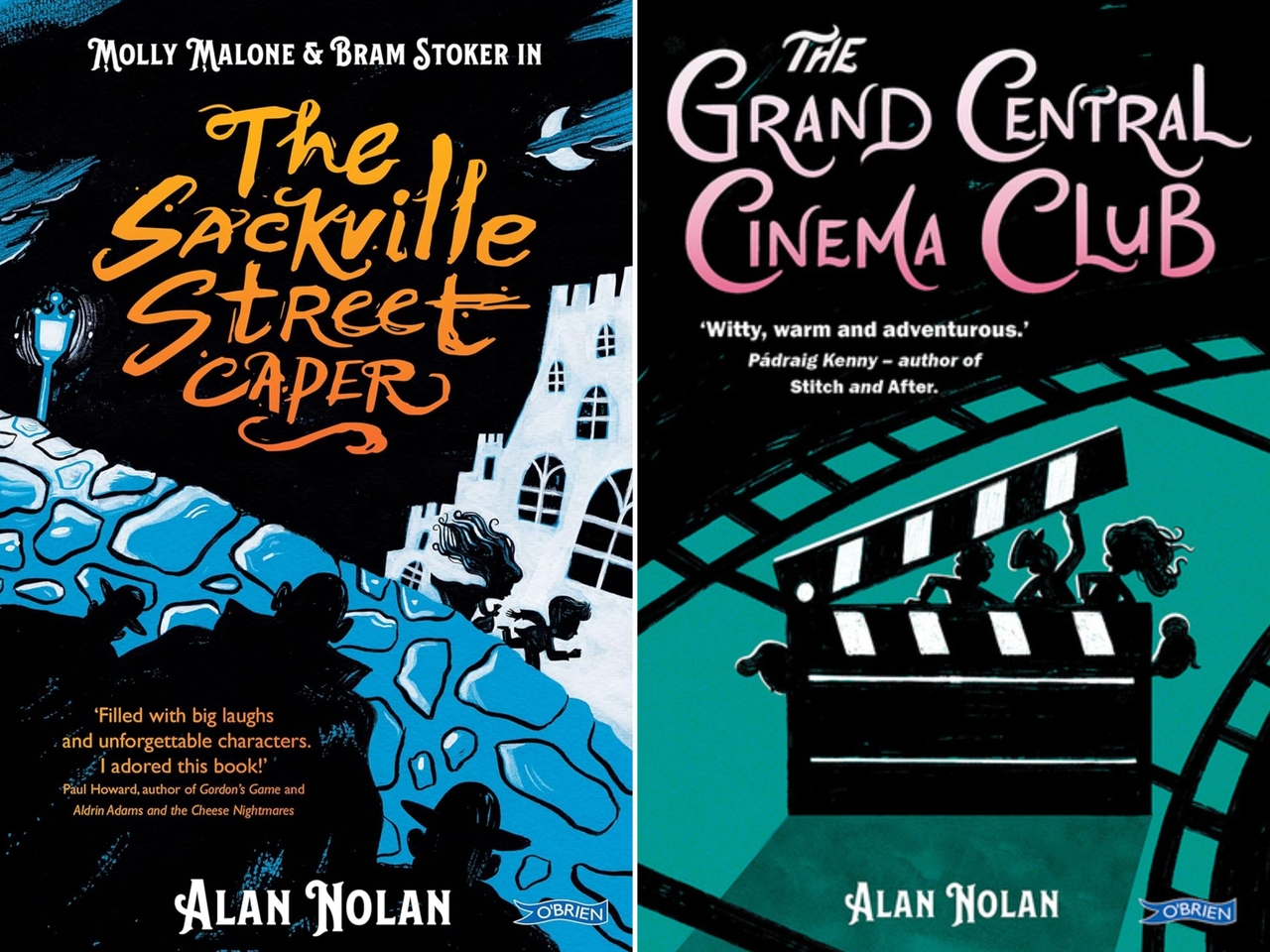
His previous series, Molly and Bram, pairs two unlikely companions: an 11-year-old Molly Malone, reimagined from the iconic Dublin folk song as a pickpocket, with a young Bram Stoker, the future author of "Dracula" (1897). Molly, born into poverty, and Bram, from a well-to-do middle-class family, embark on adventures that spark both friendship and inspiration for Bram’s later writing.
The roots of the imagination stretch back to Nolan’s own childhood. When he was 10, his grandmother gave him a copy of "Dracula."
“It was a totally inappropriate book to give a 10-year-old,” Nolan laughed. “It’s so visceral. I had nightmares. It really affected me, and I became obsessed with Bram Stoker. I’ve been thinking about him for years and always wanted to write a story about his early life.”
For Nolan, the writing always begins with the characters.
“What I love most is coming up with characters. They often just appear in my head, almost fully formed, usually in the middle of the night,” he said. “I’ll wake up, grab my notebook, and start scribbling things down — sometimes even little drawings. For me, it’s always characters first; they tell me what story they want to tell.”
That process, he says, keeps the work fresh and full of energy. Nolan gravitates toward densely plotted tales, brimming with action, puzzles and twists, but always ending on a hopeful note.
“I think kids always deserve happy endings.”
Looking ahead, Nolan plans to alternate between his two series. Grand Central Cinema Club will follow the kids as they actually make their film in the next installment, while Molly and Bram have a fifth book ready to go, taking the pair to London, where they continue their adventures.
hwangdh@heraldcorp.com